
Last updated October 17, 2026
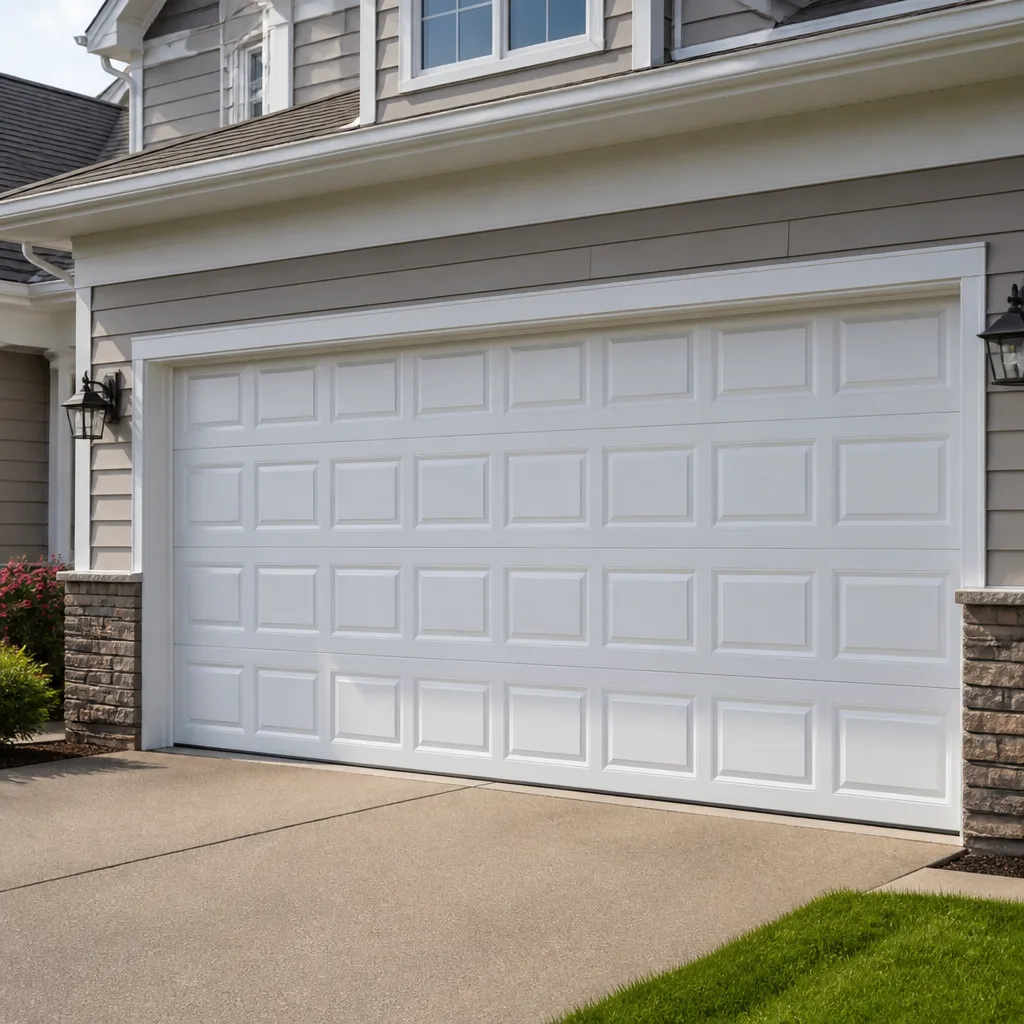 Raised-panel steel
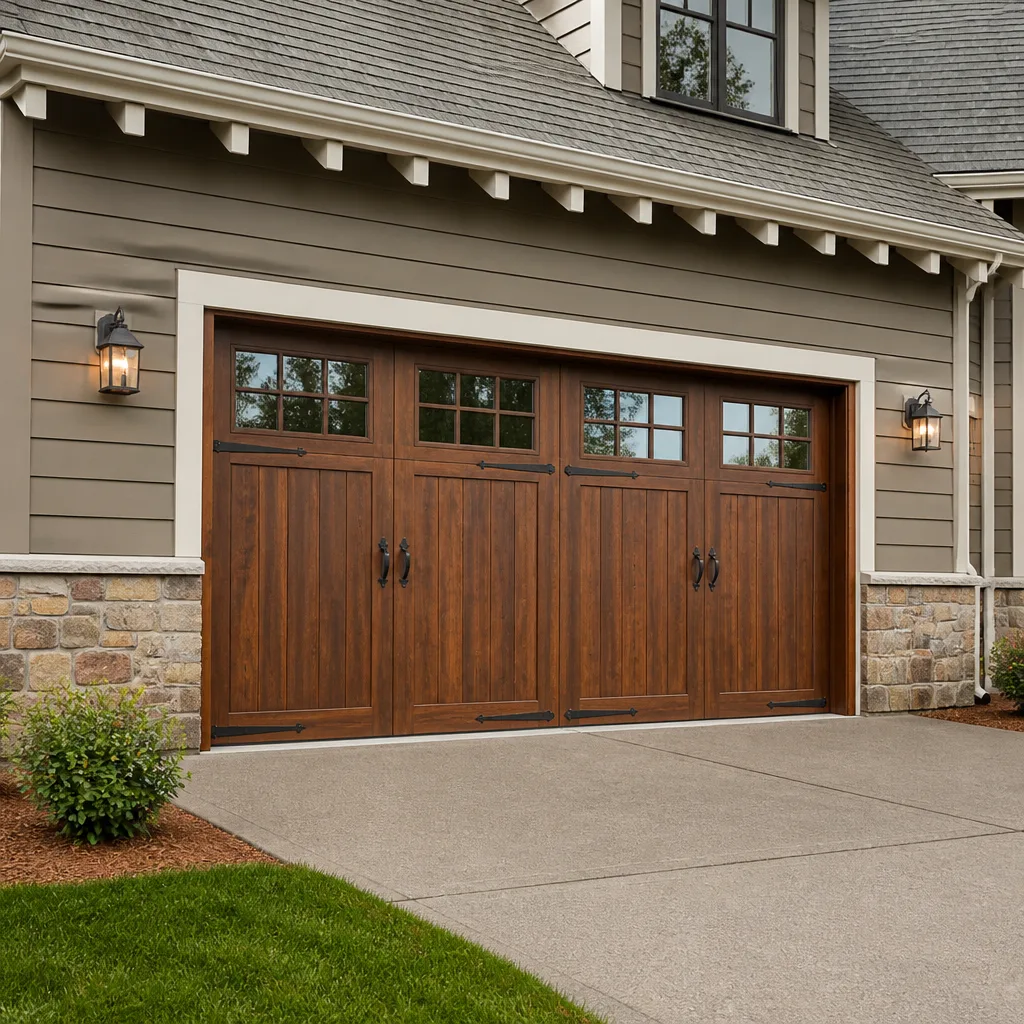 Carriage house
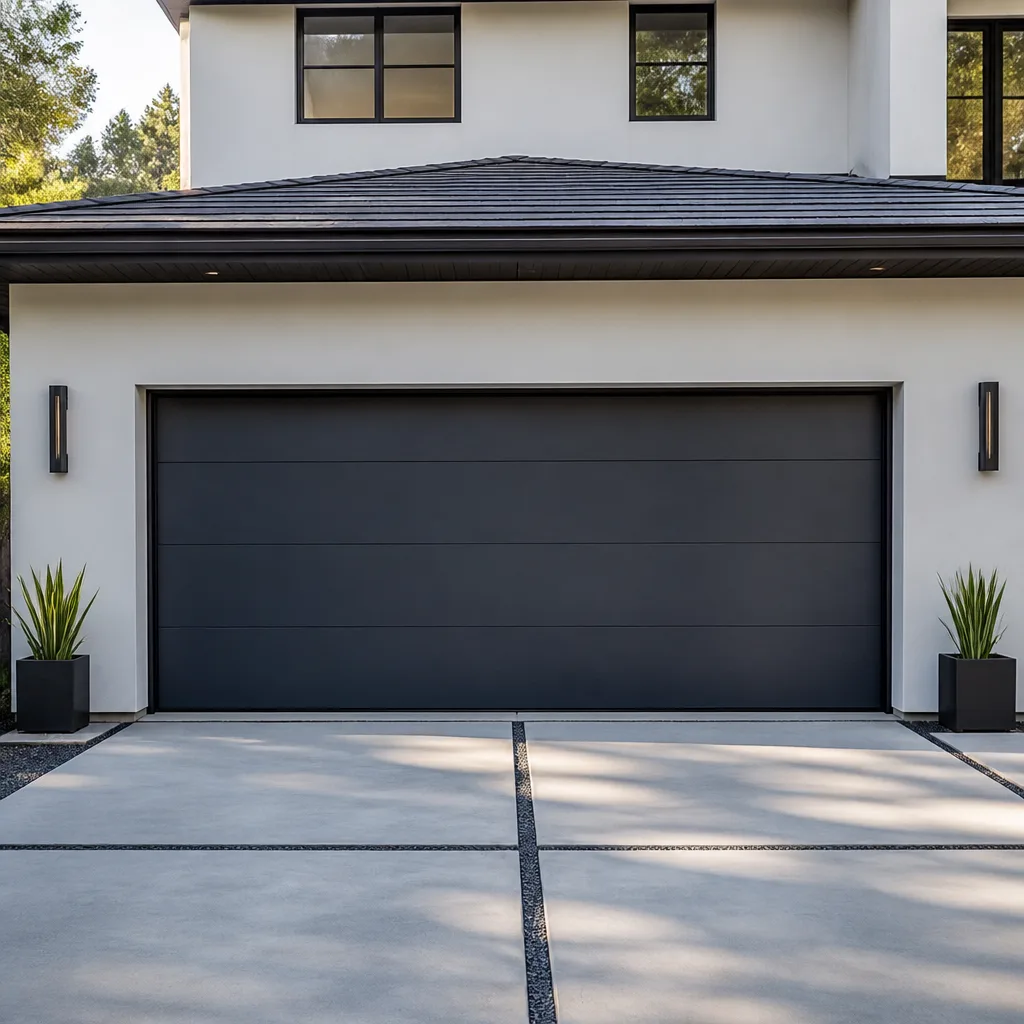 Modern flush
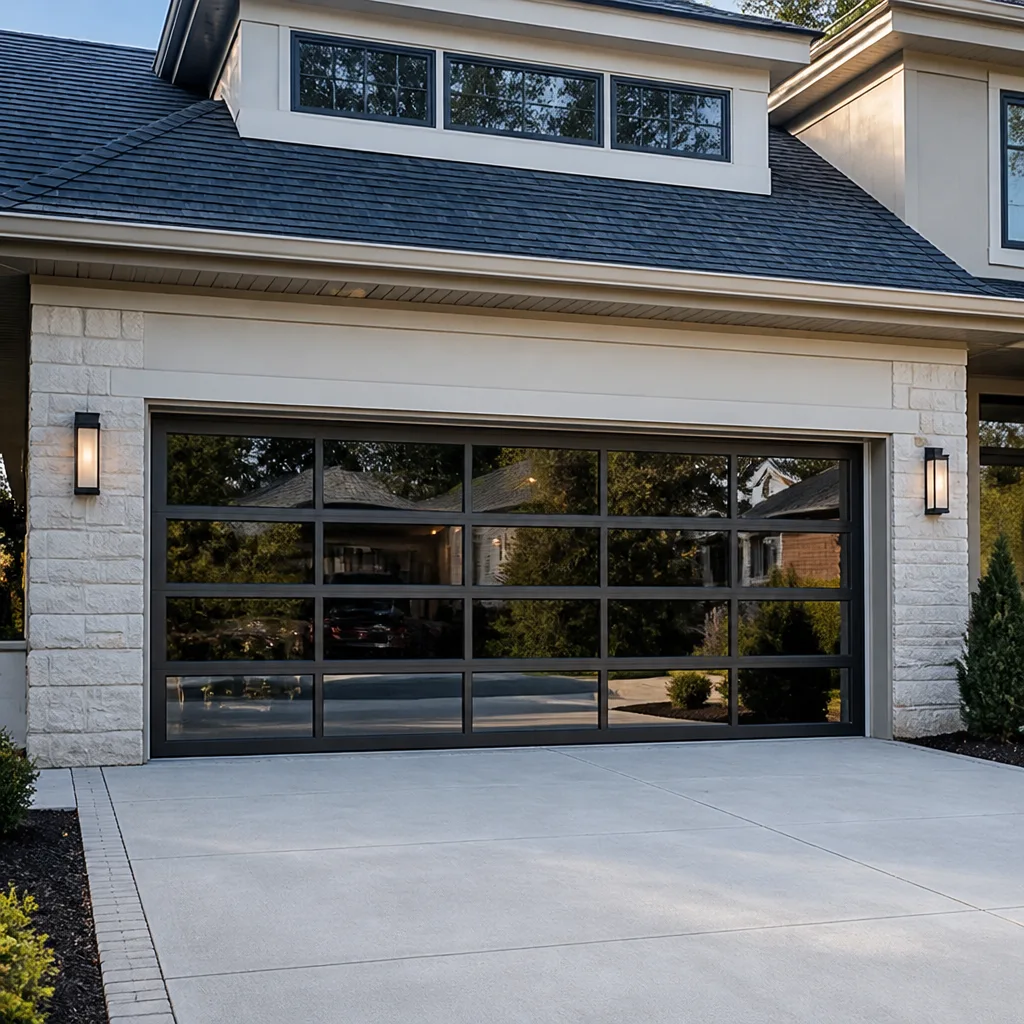 Full-view glass
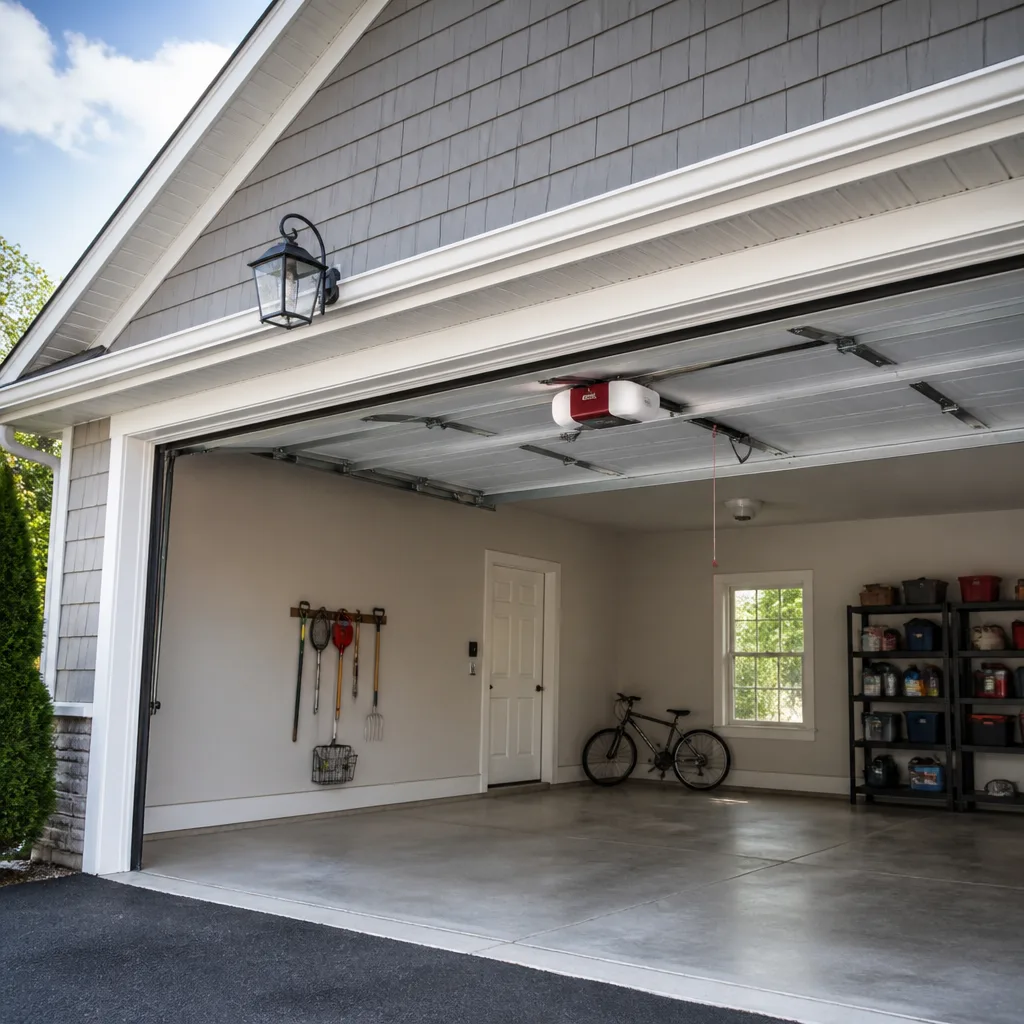 LiftMaster openers
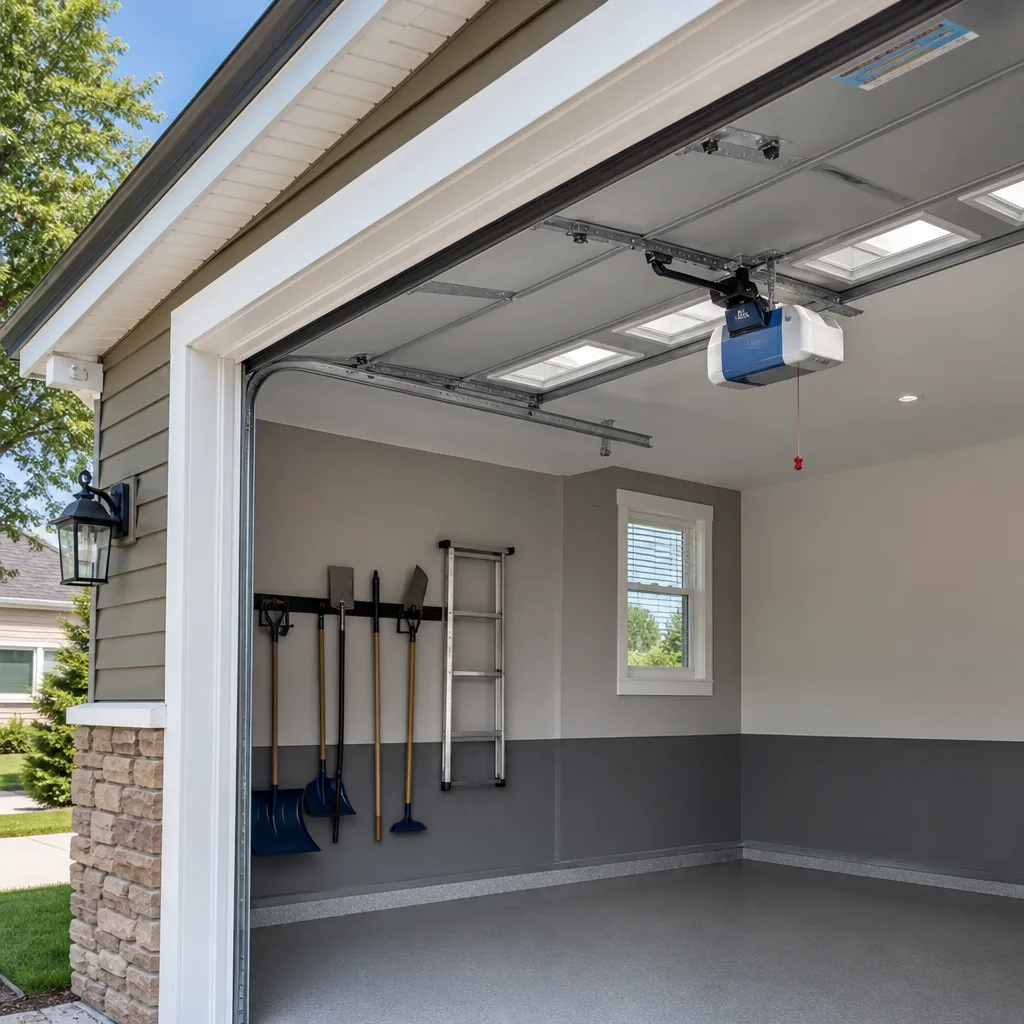 Chamberlain openers
Full 25-point door and opener safety check with every visit - springs, cables, rollers, tracks, and your LiftMaster or Chamberlain opener included
You get a price before we start. It does not change when the truck arrives.
Get your free estimateGarage Door Warning Signs: A Brooklyn Homeowner’s Reference Guide
Here’s something most garage door guides won’t tell you: a door that reverses before touching the ground isn’t broken. It’s the opener’s safety sensor doing exactly what it was designed to do, and the fix is often a $0 realignment of the photo-eye beam, not the $200 sensor replacement some technicians quote first. In Brooklyn, where row houses and freestanding homes built between 1890 and 1940 meet salt air, humidity swings, and temperature shifts that punish metal parts, understanding which sounds and behaviors point to which failing component can save a family hundreds of dollars and a week of unnecessary stress. This complete guide to garage door in Brooklyn translates the vague warnings, ‘loud noises,’ ‘slow movement,’ ‘visible damage,’ into specific diagnoses you can act on today, and it’s written from our experience repairing doors across the borough, from Red Hook to Sheepshead Bay.
Quick Answer
The most reliable garage door warning signs in Brooklyn are: a popping sound when the door moves (springs under stress), grinding from the opener carriage (worn gear or chain tension), a door that reverses mid-travel (misaligned photo-eye sensors or limit switch settings), fraying cables near the bottom roller brackets (immediate risk), and rust bloom on torsion springs (a sign the spring’s protective coating is failing and the metal is fatiguing). A homeowner who can identify these by sound and sight can call a technician with a specific complaint, get an accurate written price over the phone, and avoid paying for parts that don’t need replacing.
Styles & brands we work with
Table of Contents
- A Sound-to-Component Translation Guide
- Lubrication vs. Breakage: How to Read a Spring from Six Feet Away
- Three Opener Behaviors and What Each One Actually Diagnoses
- Rust and Cable Fraying: Immediate Risk vs. Normal Aging
- How to Document a Warning Sign with a Short Phone Video
- Brooklyn-Specific Factors: Salt Air, Humidity, and Row House Mechanics
- Common Mistakes to Avoid
- When to Call a Professional
A Sound-to-Component Translation Guide
Every garage door makes some noise. The key in Brooklyn, where carriage houses and converted garages put the door inches from a bedroom or kitchen wall, is distinguishing the normal from the diagnostic. We’ve mapped the four sounds that homeowners most often describe to us over the phone into what each one specifically indicates about which part is under stress.
Grinding
A grinding sound, like two rough surfaces scraping under load, almost always points to the opener carriage, not the door itself. On older LiftMaster and Chamberlain chain-drive models common in Brooklyn, the gear inside the opener head wears down over 8-12 years of daily cycles. The chain still moves, but the gear teeth that drive it become rounded, and the opener grinds as it strains to move the door. On belt-drive Genie units, a grinding sound is rarer and usually points to a dry or failing roller inside the carriage assembly. Grinding is a sign the opener is working harder than it should, which accelerates motor wear. It’s a repair that typically costs $140-$260 for the gear replacement on a chain-drive unit, so it’s worth diagnosing early before the motor burns out entirely.
Popping
A sharp, rhythmic pop that occurs as the door moves through specific points in its travel is the sound of torsion springs binding and releasing. On Brooklyn doors that have gone long intervals without lubrication, the spring coils stick together, and when the door moves, they separate with a pop. This is distinct from the single loud pop that accompanies a spring breaking, which sounds more like a gunshot or a heavy object dropped on concrete. Rhythmic popping is a maintenance signal: the springs are dry and need a silicone-based lubricant applied along the coil gaps. It’s a $15 fix if you’re comfortable doing it yourself, and a standard part of a service call if you’re not.
Squealing
A high-pitched squeal, like a car belt slipping, is the sound of a dry roller or a dry bearing inside a roller. Brooklyn’s seasonal humidity swings, damp salt air in waterfront neighborhoods like Bay Ridge and Gerritsen Beach, and the fine dust that settles in converted brownstone garages all accelerate bearing wear. When a roller bearing goes dry, the roller stops spinning freely and drags against the track. Squealing that’s inconsistent, present some days and absent others, usually means a roller is starting to fail but hasn’t seized. Consistent squealing means the bearing is done. Replacing a set of rollers on a standard Brooklyn single-car door runs $90-$160 for nylon rollers, which are quieter and last longer than steel in this climate.
Banging
A banging or rattling sound during operation is less about one component and more about the relationship between the door and its hardware. Loose track bolts, a worn J-arm bracket connecting the door to the opener rail, or a door that’s slightly out of level all produce banging as the door travels. Banging that’s worst at the bottom of the travel often means the door is hitting the concrete slab unevenly, which in Brooklyn garages with settled slabs or frost-heaved approaches can indicate a door that needs re-leveling. Rattling from the opener rail itself is usually a loose chain or belt tension issue, which is a quick adjustment on most Chamberlain, LiftMaster, and Genie units. Banging is rarely an emergency, but it should be diagnosed because the vibration it creates loosens other hardware over time.
Lubrication vs. Breakage: How to Read a Spring from Six Feet Away
Most garage door guides tell you to check for rust on springs, and then leave you wondering what rust actually means. Here’s what we look for when we evaluate a spring on a Brooklyn door, and what a homeowner can safely assess from a distance without touching anything under tension.
The Safe Way to Look
Stand six feet away from the spring, which on most residential doors sits on a horizontal bar above the closed door. You don’t need to touch anything, and you should never attempt to adjust, lubricate, or inspect a spring by hand while the door is in any position other than fully closed, because torsion springs store enough energy to cause serious injury if they slip. From six feet back, you can see everything that matters: the surface condition of the coils, the gap consistency between coils, and whether the spring sits level on the bar.
What’s Normal: Surface Rust
Surface rust, the kind that looks like a light, even brown film, is common on Brooklyn doors, especially in neighborhoods closer to the water or near the BQE where salt and brake dust settle on everything. Surface rust on the outside of the coils does not mean the spring is about to break. It means the original coating is wearing, which is normal after 3-5 years in this environment. If the spring is otherwise performing, meaning the door opens and closes smoothly and evenly, surface rust alone is not a reason to replace. It can be monitored and the spring can be lubricated to slow further oxidation.
What’s Concerning: Rust Bloom
Rust bloom is different. It looks like raised, flaking, uneven patches, often with a brighter orange center and a crusty texture. Rust bloom means the metal itself is pitting, not just the surface coating oxidizing. Pitting creates stress concentration points in the spring wire, and those are where torsion springs eventually fracture. A spring with visible rust bloom is typically within 1-2 years of failing, and if the door gets heavy use, potentially sooner. This is the point where we recommend proactive replacement rather than waiting for the break. Replacing a pair of torsion springs in Brooklyn runs $280-$420 for most standard doors, and doing it before the failure prevents damage to cables, rollers, and opener parts that often occurs when a spring snaps under load.
What’s Definite: Uneven Coil Gaps
The most specific tell that a torsion spring is approaching the end of its life is uneven spacing between the coils. A healthy spring has consistent, even gaps. As spring steel fatigues, individual coils can deform, and you’ll see one section of the spring where the coils are closer together or farther apart than the rest. This is visible from six feet away and is a stronger predictor of failure than any amount of surface rust. If you see uneven coil gaps, the spring is telling you it has lost its original temper, and replacement should be scheduled. For homeowners who want to understand more about what spring work involves in their building type, we’ve covered the process in detail in our Garage Door Spring Repair in Brooklyn guide, including what a written price should include.
Three Opener Behaviors and What Each One Actually Diagnoses
Openers are the most misunderstood component of a Brooklyn garage door system. Most calls we take describe a behavior, not a part, and the behavior often points somewhere different than the homeowner expects. These are the three we hear most often, and the diagnosis each one actually indicates.
Reversing Mid-Travel or Before Touching the Ground
The door starts to close, gets partway down, then reverses back to open. This is the most common opener complaint in Brooklyn, and it is almost never a broken opener. For a deeper walkthrough, see our guide on how to hire a garage door contractor in Brooklyn. Every opener sold since the early 1990s, including all current LiftMaster, Chamberlain, and Genie models, has a photo-eye safety sensor system: two small boxes mounted about six inches off the floor on each side of the door opening. They project an invisible infrared beam between them. When the beam is interrupted, the opener refuses to close. The three most common causes are: misaligned sensors that no longer face each other, a beam blocked by a broom, a box, a child’s toy, or accumulated grime on the sensor lens. The fix for misalignment is to gently adjust the sensor housing until the indicator light turns solid, and it costs nothing. Before calling a technician, check for obstructions and wipe the lenses with a dry cloth. If the door still reverses, the issue is likely a limit setting or a failing sensor board, and that’s a quick service call, not a total opener replacement.
Hesitating on Cold Mornings
A door that struggles to move on cold January mornings but works fine in the afternoon is a Brooklyn house-specific issue. Many garages in the borough are unheated, attached to prewar homes, and in neighborhoods like Ditmas Park or Midwood, temperatures inside the garage can drop below freezing overnight. The grease in the opener’s screw drive or the factory grease in the bearings thickens in the cold. The opener draws more current to overcome the resistance, and if the motor is older, it hesitates. This is not a failing component. It’s a sign that the opener’s lubricants are either too old or the wrong type for cold weather. Switching to a cold-rated lubricant on the rail and rollers usually resolves the hesitation. If the hesitation persists, the opener’s start capacitor, the component that gives the motor its initial jolt, may be wearing out, and that’s an inexpensive replacement on most Genie and Chamberlain units.
Requiring Multiple Button Presses
You press the wall button or the remote, the door doesn’t move, you press again, and it works. This behavior diagnoses one of three things: a failing wall button or remote battery, a logic board that’s receiving but not executing the signal, or a safety sensor that’s intermittently losing alignment. The cheapest and most common cause is the remote battery or a wall button with corroded contacts, especially in Brooklyn garages that see humidity. Replace the battery first. If the problem persists with the wall button, which is hardwired, the issue is either the button itself or the opener’s receiver board. This is a situation where documenting the behavior matters: note whether the problem is consistent across both the wall button and the remote, because if both fail intermittently, the problem is downstream of both, meaning the opener’s control board. A technician who arrives knowing that has the right diagnostic on hand and doesn’t need a second trip.
Rust and Cable Fraying: Immediate Risk vs. Normal Aging
Brooklyn garages are not kind to metal. Between the humidity that lingers in enclosed spaces, the salt air in waterfront neighborhoods, and the road salt tracked in on car tires all winter, every metal component on a garage door ages faster here than it would in, say, a dry climate. Knowing what rust is cosmetic and what’s a structural warning is the difference between a $25 tube of lubricant and a $400 emergency call. For year-round prevention tips, see our seasonal garage door care for Brooklyn guide.
Cables: The One Component Where Fraying Is Always Immediate Risk
Extension and torsion cables are the steel wires that run alongside the door and connect the spring assembly to the bottom brackets. When a cable frays, meaning individual steel strands separate from the main cable, the cable is compromised. It does not heal, it does not stabilize, and there is no level of fraying that is safe to ignore. A frayed cable is under tension whenever the door is operated, and if it breaks while the door is moving, the door can drop. On any Brooklyn door, if you can see loose strands, broken strands, or a cable that looks fuzzy rather than smooth, stop using the door and call a technician. Cable replacement is not a DIY job under any circumstances because the tension in the spring system can cause serious injury. This work runs $130-$180 per side on most standard Brooklyn doors, and it’s always done with the spring tension released, never under load.
Rust on Tracks: Monitor, Don’t Panic
Rust on the vertical and horizontal tracks that guide the door is common in Brooklyn, especially in converted carriage houses with original wood framing that traps moisture. Light surface rust on tracks is cosmetic. The door can still roll smoothly, and the rust does not affect the track’s structural function. What matters is rust that has progressed to pitting, which is visible as small craters in the metal. Pitted tracks cause the rollers to catch and skip, which produces a jerky door motion and accelerates roller wear. If the tracks are pitted, the fix is replacement of the track sections, which on a standard Brooklyn single-car door runs $120-$200 per section, including labor. If the rust is light, a wipe-down with a dry cloth and applying a thin film of lubricant to the inside of the track is adequate.
Rust on the Door Panel: Brooklyn’s Seasonal Pattern
Steel door panels in Brooklyn rust from the bottom up, and the pattern is predictable. Road salt and moisture collect at the bottom edge of the panel, where the weatherstripping traps debris. The first sign is bubbling paint along the bottom 2-4 inches of the panel, followed by rust streaks. In a waterfront neighborhood, the same rust can appear higher on the panel if the door faces the water. Bottom-edge rust is cosmetic for the first couple of years but becomes structural when the panel’s internal metal frame begins to corrode. A panel with significant bottom rust should be replaced before the rust spreads to the point where the panel loses its ability to hold the door’s shape. On an insulated Clopay or Amarr panel, which many Brooklyn homeowners choose for noise reduction in attached garages, rust is less common because the panel’s outer skin is treated with a better coating. But no steel panel is immune to Brooklyn winters.
How to Document a Warning Sign with a Short Phone Video
The single most useful thing a Brooklyn homeowner can do before calling about a garage door problem is to record a short video. Not the brand, not the model, not a description of the sound. A video. Here’s why, and here’s how to make one that helps a technician diagnose remotely and arrive with the correct part on the first trip.
Why Video Works
Garage door problems are sensory. The sound a spring makes, the jerk a door exhibits at a specific point in its travel, the way a cable looks under tension, all of these translate poorly over the phone. A 20-second video captures the sound, the motion, and the visual condition in one file. When we receive a video from a Brooklyn homeowner, we can often identify the issue before we drive to the neighborhood, and we can tell the homeowner what the likely repair range is on the phone. That means the homeowner gets a specific answer, and we arrive with the right part. It also means a written price can be prepared before the technician ever rings the bell.
How to Record It
- Get the sound. Stand inside the garage, about 10 feet from the door, and record the door going through one full open-and-close cycle. Keep the phone’s microphone pointed toward the door. If the sound happens at a specific point in the travel, start the video 5 seconds before that point.
- Get the motion. Film the door from the side, so the camera captures the door’s speed and any hesitation or jerking. A side view shows whether the door is moving smoothly or stuttering, which a front view doesn’t.
- Get the parts. After the door is closed, walk up and film the springs (from six feet away, never touch), the cables on both sides, and the bottom of the door where it meets the floor.
- Keep it under 30 seconds. A technician needs the sound, the motion, and the visual. Anything longer gets harder to review and transfer. If you have multiple symptoms, record two videos.
- Text it, don’t email it. Text is faster to open, and the video stays in the conversation thread so the technician can reference it on arrival.
This process saves money in Brooklyn partly because parking and traffic are what they are. A technician who has already seen the video and diagnosed the issue can do the repair in one visit. A technician who discovers the problem on-site often has to order a part and return, which means a second service call. Video eliminates that second visit in most cases. This is the same diagnostic process we use when a Brooklyn homeowner sends us video from neighborhoods like Park Slope, where street parking makes a second trip genuinely expensive in time and productivity.
Brooklyn-Specific Factors: Salt Air, Humidity, and Row House Mechanics
Garage door advice written for a national audience often fails in Brooklyn because it doesn’t account for the borough’s specific building stock and environmental conditions. There are three factors that differentiate a Brooklyn garage from, say, a Phoenix garage, and they affect how warning signs present.
Row Houses and Converted Carriage Houses
Much of Brooklyn’s housing stock predates the automobile. The garages that exist are often retrofits: a carriage house built for horses, a first-floor extension, or a curb-cut driveway with a garage tucked behind the house. These spaces are narrow, with tight clearances between the door and the walls, and the door itself is often a custom size, not the standard 16-foot or 18-foot width common in newer construction. This matters because a door in a tight space amplifies every sound. A roller that would be barely audible in a detached garage in Dyker Heights becomes a sharp squeal when the door runs 8 inches from a bedroom wall in a Park Slope brownstone. The same sound that’s a minor annoyance in one context is an early warning in another. This is also why the Fernbrook Garage Doors Brooklyn home team recommends addressing sound-related warning signs early in row houses: the vibration of a failing roller or loose track bolt transmits through masonry and can be heard throughout the house.
Salt Air and Coastal Influence
Brooklyn has 30 miles of waterfront, and neighborhoods along the Upper Bay, Lower Bay, and the East River get salt air exposure that accelerates metal corrosion. In Bay Ridge, Gerritsen Beach, Sheepshead Bay, and Red Hook, a garage door spring that would last 12 years in an inland climate may need replacement at year 8 or 9. The warning signs are the same, but the timeline is compressed. Salt air also corrodes opener circuit boards, particularly the exposed contacts on wall buttons and safety sensor wires. If you live within a mile of the water, check for green corrosion on these components once a season. Wiping contacts with a dry cloth is a simple prevention, and it takes two minutes.
Humidity Swings and Unheated Garages
Brooklyn garages that are unheated, which is most of them, experience humidity swings that are harder on a garage door than a consistent cold. The cycle of cold nights and warmer days causes condensation on metal parts, which accelerates rust, and the humidity softens wood, which affects older pivoting doors and wood jamb brackets. In August, when humidity peaks, we see an uptick in Brooklyn calls about doors that suddenly stick or bind, because the wood frame has swelled and the clearances have changed. These issues are often seasonal and resolve when humidity drops, but persistent binding is a sign the door was installed without enough clearance for this climate’s moisture cycle.
Common Mistakes to Avoid
- Lubricating a noisy spring instead of diagnosing it. Popping that’s due to dry coils resolves with lubricant. Popping that’s due to uneven coil gaps does not, and lubricating a spring that’s structurally failing wastes the lubricant and delays the $300 repair that could have been scheduled on the homeowner’s timeline instead of as an emergency.
- Replacing the opener when the sensors are misaligned. This is the most expensive common mistake we see in Brooklyn. The door reverses, so the homeowner assumes the opener is dead, when the actual issue is a photo-eye sensor that got bumped by a garbage can. Check the sensors before spending $400.
- Ignoring a frayed cable because the door still works. A frayed cable is a countdown, not a cosmetic issue. In Brooklyn’s salt and humidity, frayed cables fail faster than in dry climates. If you see loose steel strands, the door should not be used until the cable is replaced.
- Spraying WD-40 on a torsion spring. WD-40 is a solvent, not a spring lubricant. It strips away the remaining coating and leaves the spring more vulnerable to rust. Use a silicone-based or lithium-based garage door lubricant. Spraying solvent on a spring in a Brooklyn garage with humid air is a rust accelerant.
- Pulling the release cord while the door is under spring tension. The red release handle is for disengaging the opener so the door can be moved manually, but pulling it while the door is stuck in an open position with a broken spring can cause the door to free-fall. If a spring breaks while the door is open, leave the door alone and call a technician. In Brooklyn, where many garages are accessed from the street, a door that drops on a car or a person is a serious liability.
- Replacing one spring instead of both. On a two-spring door, both springs wear at the same rate. Replacing only the broken spring leaves the older spring at the end of its life, and the door will operate unevenly, which accelerates wear on everything else. A reputable technician replaces both springs as a pair and tells you the total price upfront.
- Assuming the cheap fix will hold. The temptation with a binding door in a humid Brooklyn August is to enlarge a track slot or force a jamb. That converts a seasonal issue into a permanent misalignment, and the door will never travel correctly afterward. Correct the root cause: the clearance, the level, or the roller.
When to Call a Professional
Some warning signs are DIY-appropriate: wiping a photo-eye sensor, replacing a remote battery, applying lubricant to rollers and hinges. Others are not. Call a professional if you see a frayed cable, if a spring has visible uneven coil gaps or rust bloom, if the door is off its tracks, or if a spring has already broken while the door is open. Any component under torsion spring tension requires a trained technician because the stored energy can cause serious injury if released incorrectly, and garage door cables under load are not safe to handle without the proper tools and technique. For more guides & resources, visit our blog. Fernbrook Garage Doors Brooklyn offers free estimates across the borough, with a live person answering the phone 24 hours a day, 7 days a week. Call (845) 610-0375 with a description of what you’re seeing and hearing, and we’ll tell you what the repair likely involves before anyone gets in a truck.
For homeowners who want to understand the full scope of common repair work in the borough, our Garage Door Repair in Brooklyn guide covers what to expect on a service call, and our Garage Door Installation in Brooklyn page walks through what’s involved when a door has reached the end of its useful life. Both are written with Brooklyn’s building types and climate in mind.
See the difference
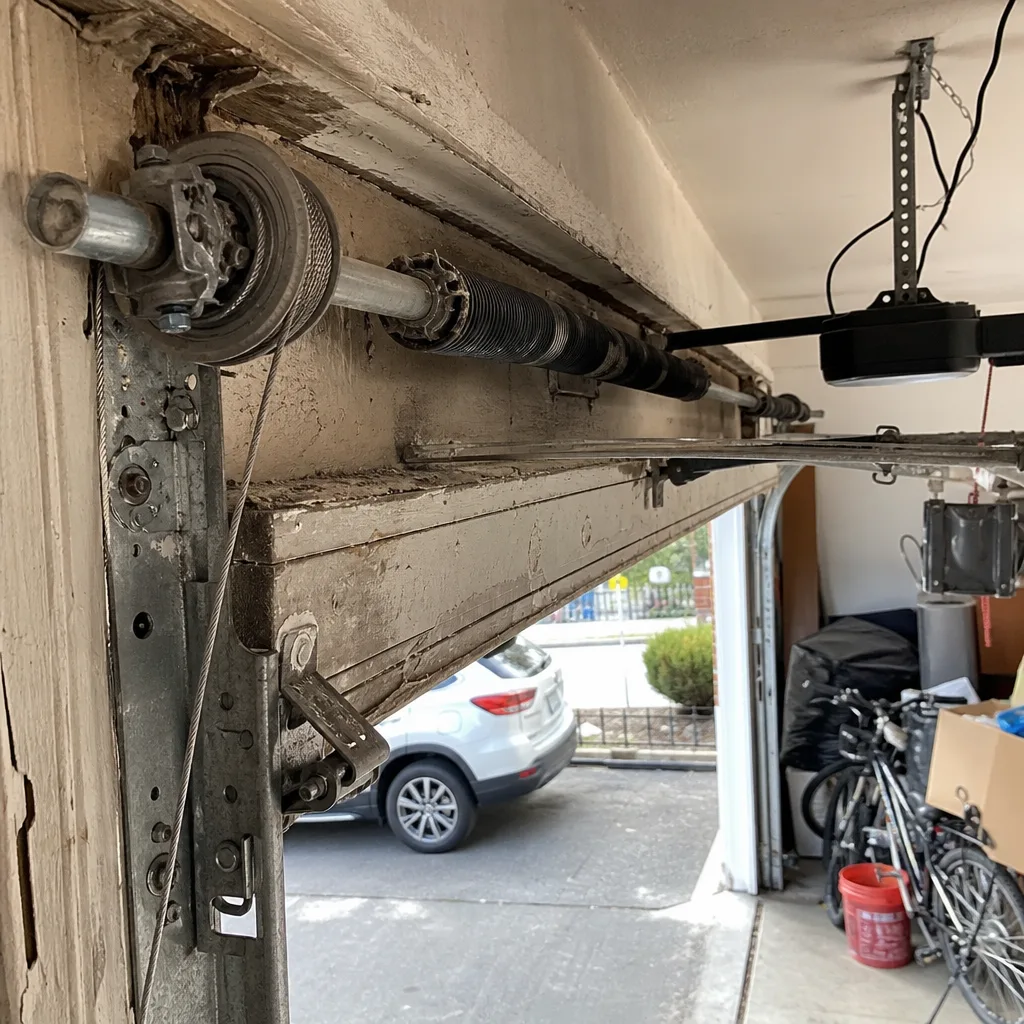 Before
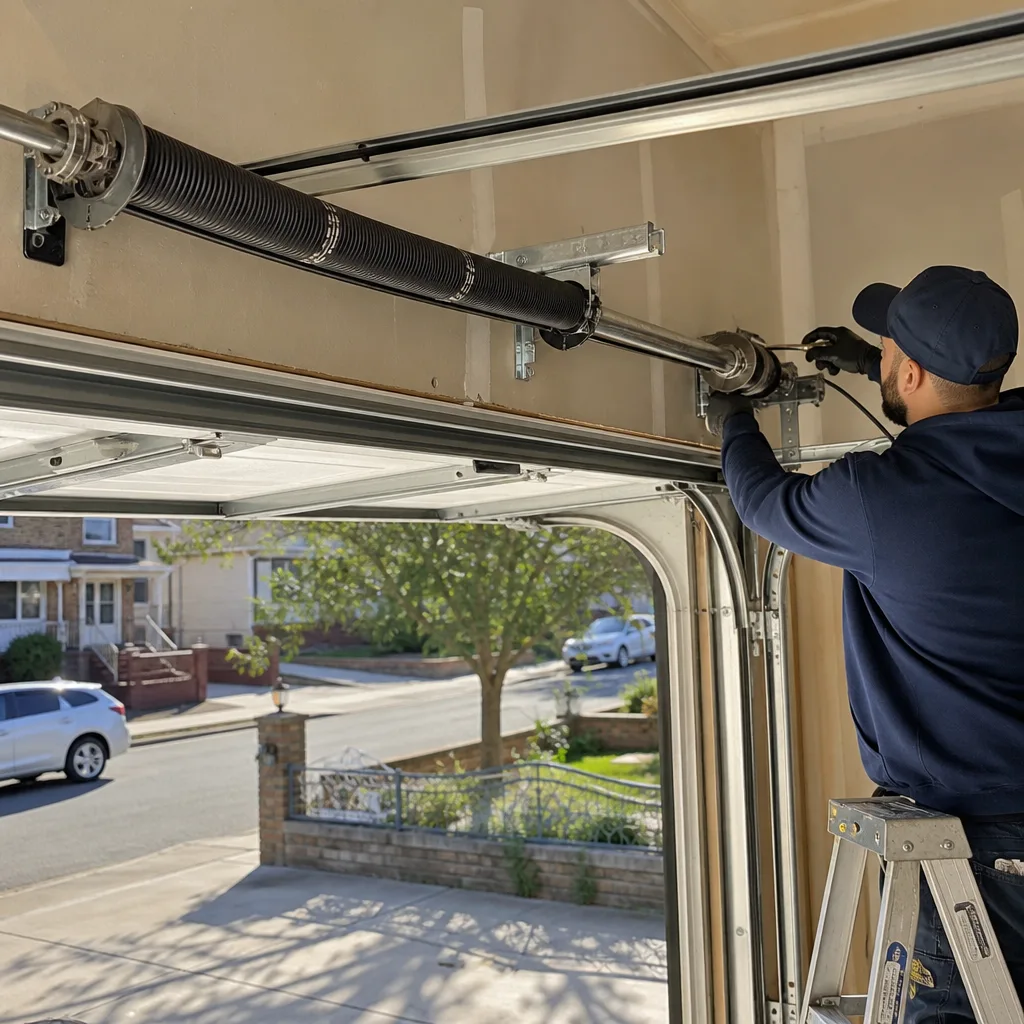 After
After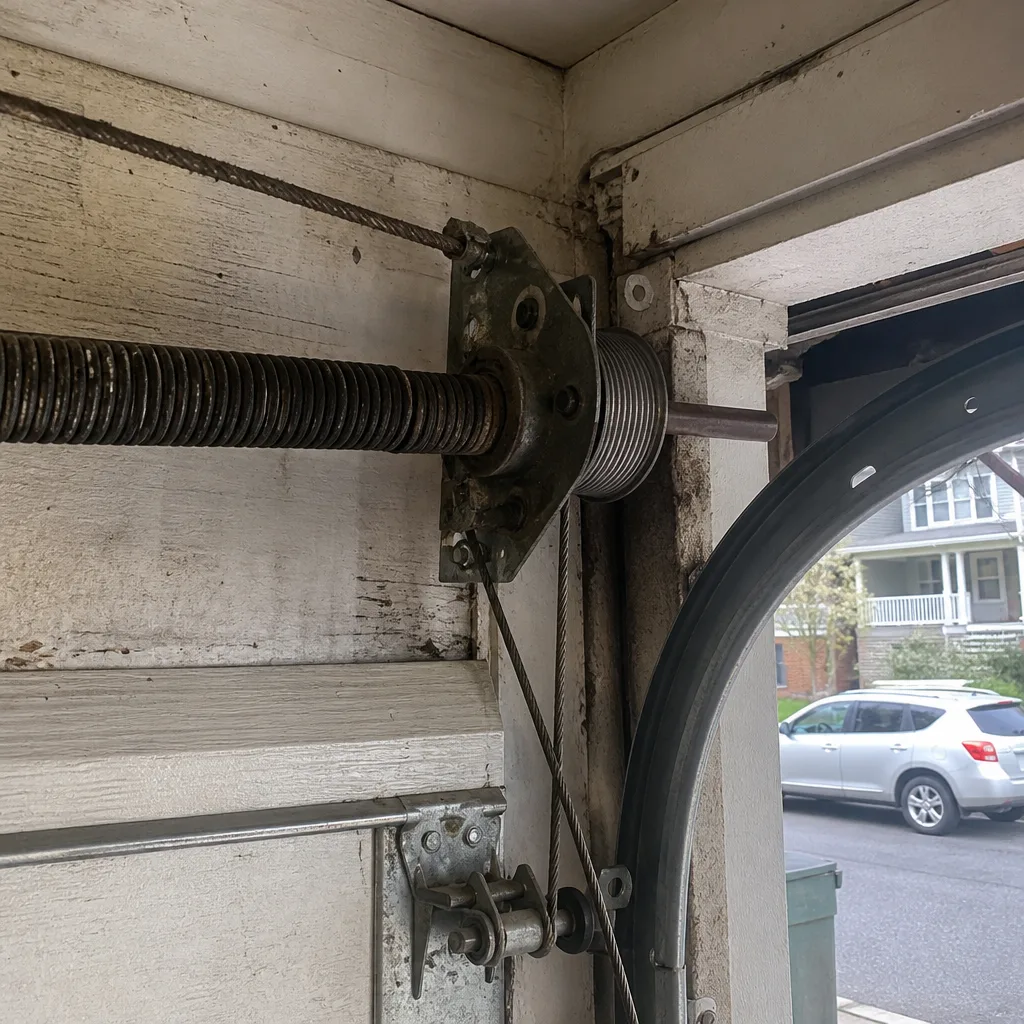 Before
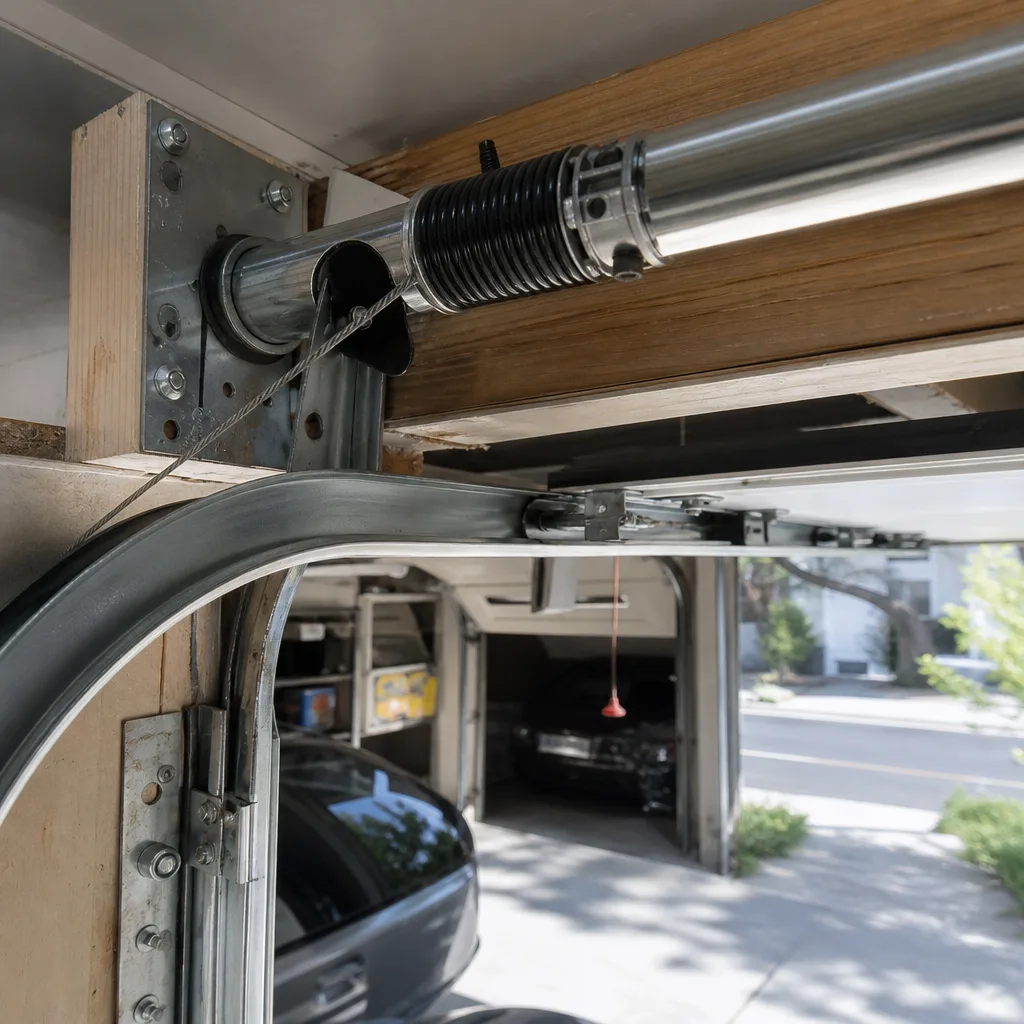 After
After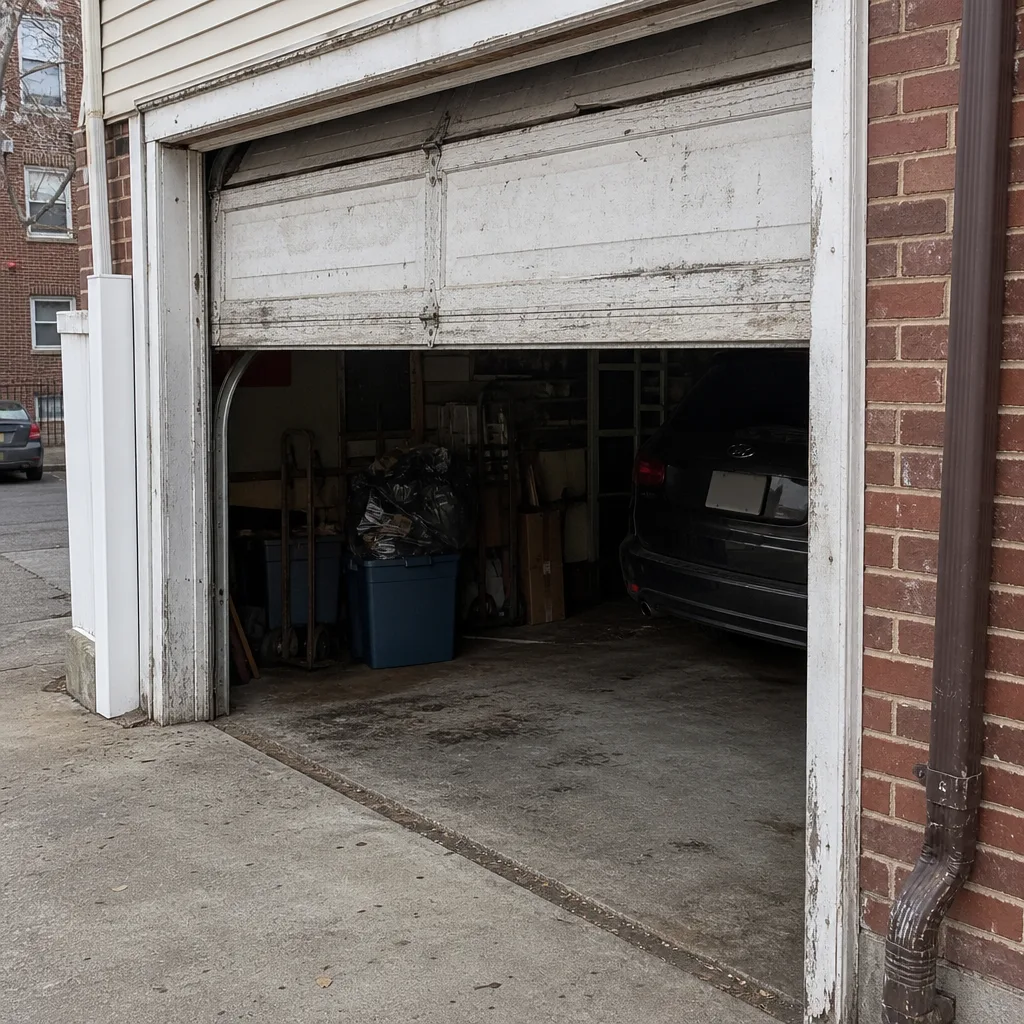 Before
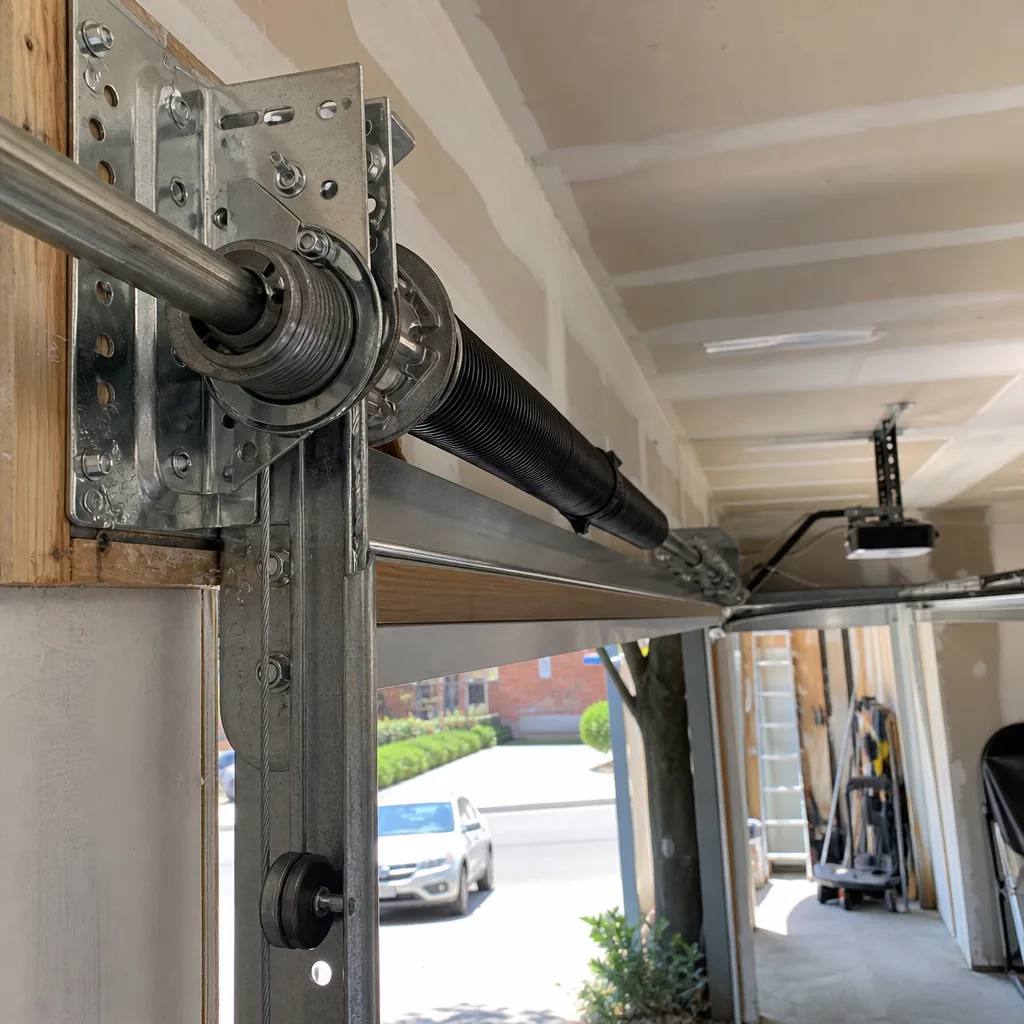 After
AfterFrequently Asked Questions
A torsion spring replacement in Brooklyn typically runs between $280 and $420 for a standard pair on a single-car door, with the written price provided before any work begins. The range depends on the spring’s wire size, the door’s weight, and whether the springs are standard or high-cycle. Call (845) 610-0375 for an exact quote, and we’ll walk through what your specific door needs. Estimates are free.
Yes. If the cause is misaligned photo-eye sensors or a limit setting, the fix is usually a same-day service call, often resolved in under an hour. Brooklyn homeowners who send a short video of the door reversing before calling help us arrive with a clear diagnosis and the right adjustment on the first visit. Call (845) 610-0375 and describe what the door is doing; we’ll tell you whether it sounds like a sensor issue or something else.
No. Fernbrook Garage Doors Brooklyn provides a written price before any work starts, and that price is what you pay unless you approve additional work in writing during the visit. The technician reviews the price with you before touching the door, so there are no surprises on the invoice. That’s the standard on every visit, no exceptions.
Yes. Our technicians carry the most common replacement parts on the truck: torsion and extension springs in the sizes found on Brooklyn’s single and double doors, cables, rollers in steel and nylon, hinges, brackets, and opener gears for LiftMaster, Chamberlain, and Genie units. When a Brooklyn homeowner sends a video before the visit, we can often confirm the exact part and verify it’s on the truck before dispatch.
Some banging is normal in a row house because the door’s vibration transmits through masonry, but persistent banging that’s gotten louder or more frequent indicates loose track bolts, a worn J-arm bracket, or a door out of level. In Brooklyn row houses, we recommend addressing it sooner rather than later because the vibration loosens other hardware over time and can be heard in every room of the house.
Fernbrook technicians are trained on eight major brands, including LiftMaster, Chamberlain, Genie, Clopay, Amarr, Wayne Dalton, Craftsman, and Raynor. If you have an opener or door from one of these manufacturers, the technician on your Brooklyn visit will know the model’s specific failure patterns and the correct adjustment procedure.
The Bottom Line
A garage door that makes a noise or moves oddly is speaking a specific language. Grinding is the opener, popping is the spring, squealing is the roller bearing, banging is the hardware. A reversing door is often the safety sensor, not the opener. A frayed cable is always serious. A spring with uneven coil gaps is closer to failure than one with surface rust alone. And in Brooklyn, where salt air, humidity, and row house construction compress every timeline, knowing the difference between a $15 lubrication and a $400 cable replacement starts with being able to describe what you’re seeing and hearing. Call (845) 610-0375 and tell us what the door is doing. We’ll tell you what it means, and what it costs to fix, before anyone gets in a truck.
Written by Jesse Calder, Owner at Fernbrook Garage Doors Brooklyn, serving Brooklyn since 2002.