
Last updated October 17, 2026
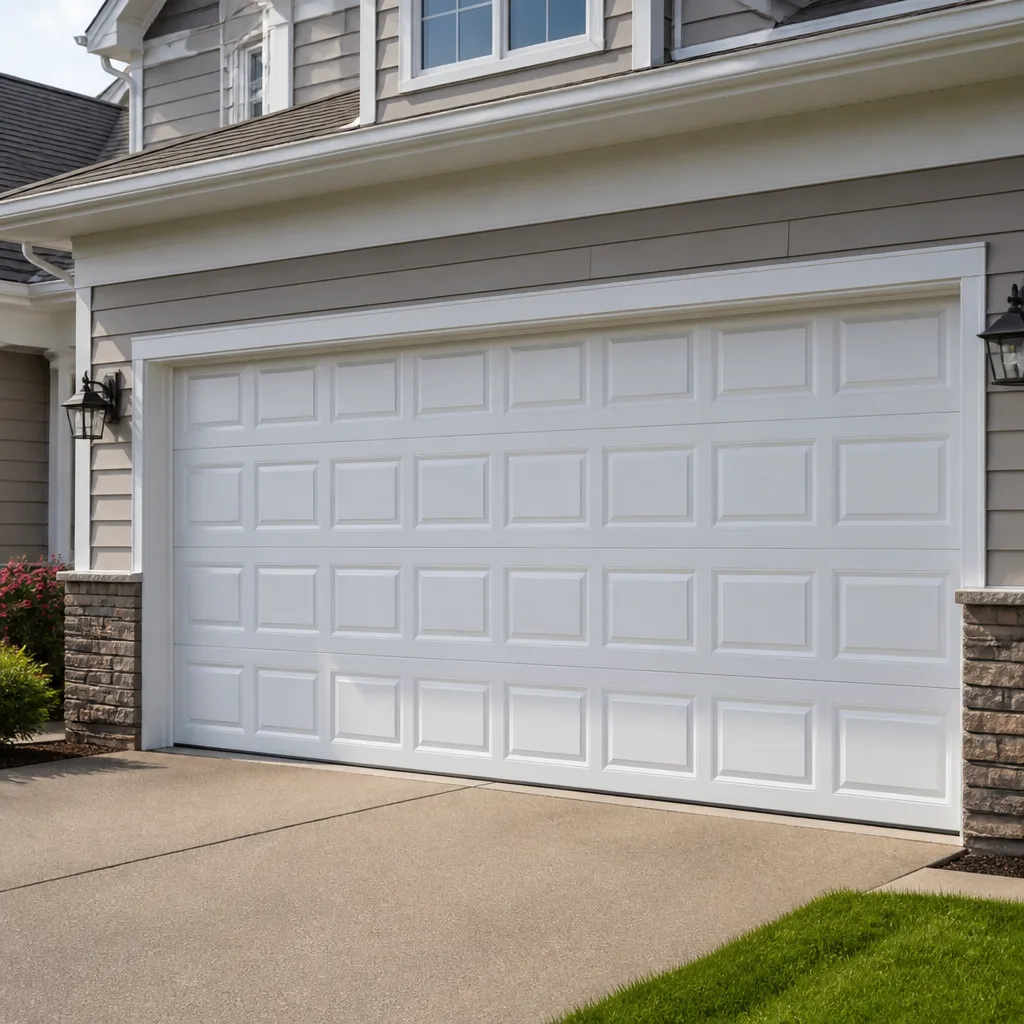 Raised-panel steel
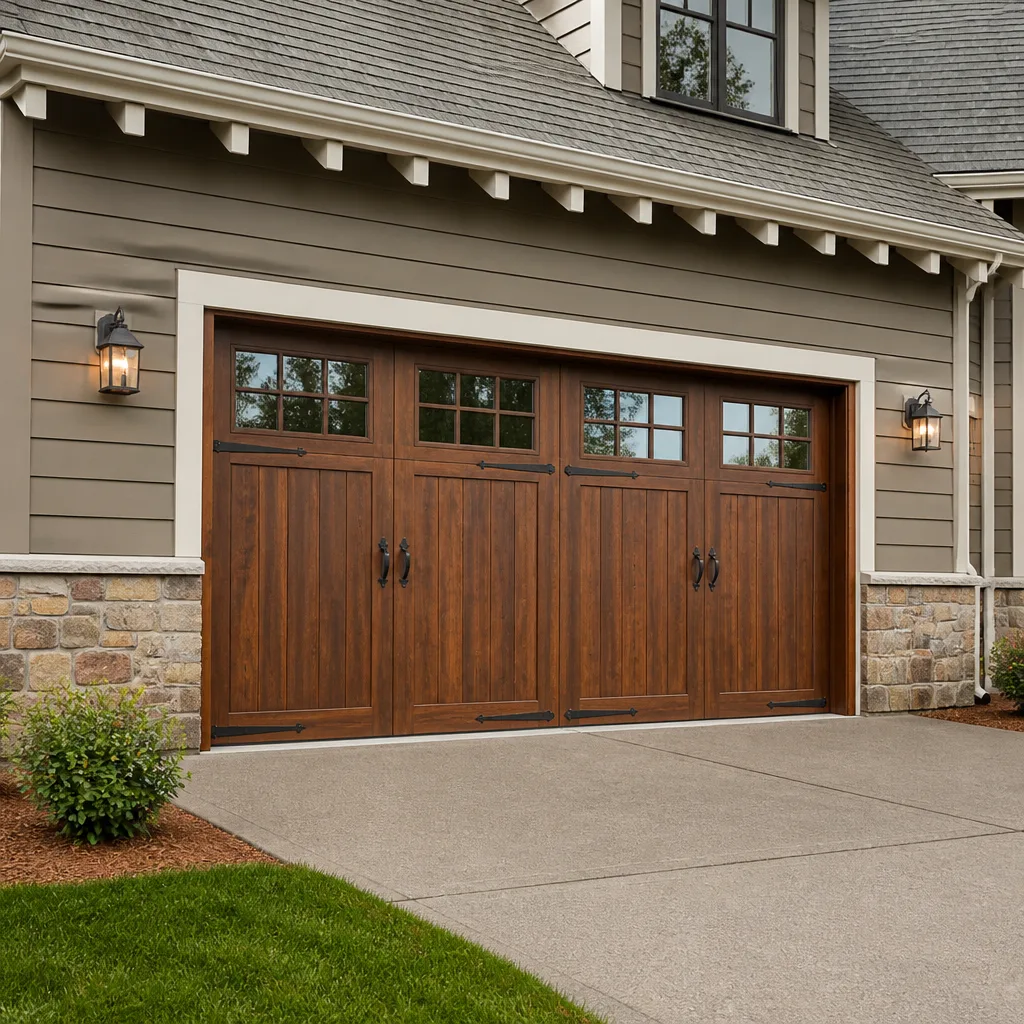 Carriage house
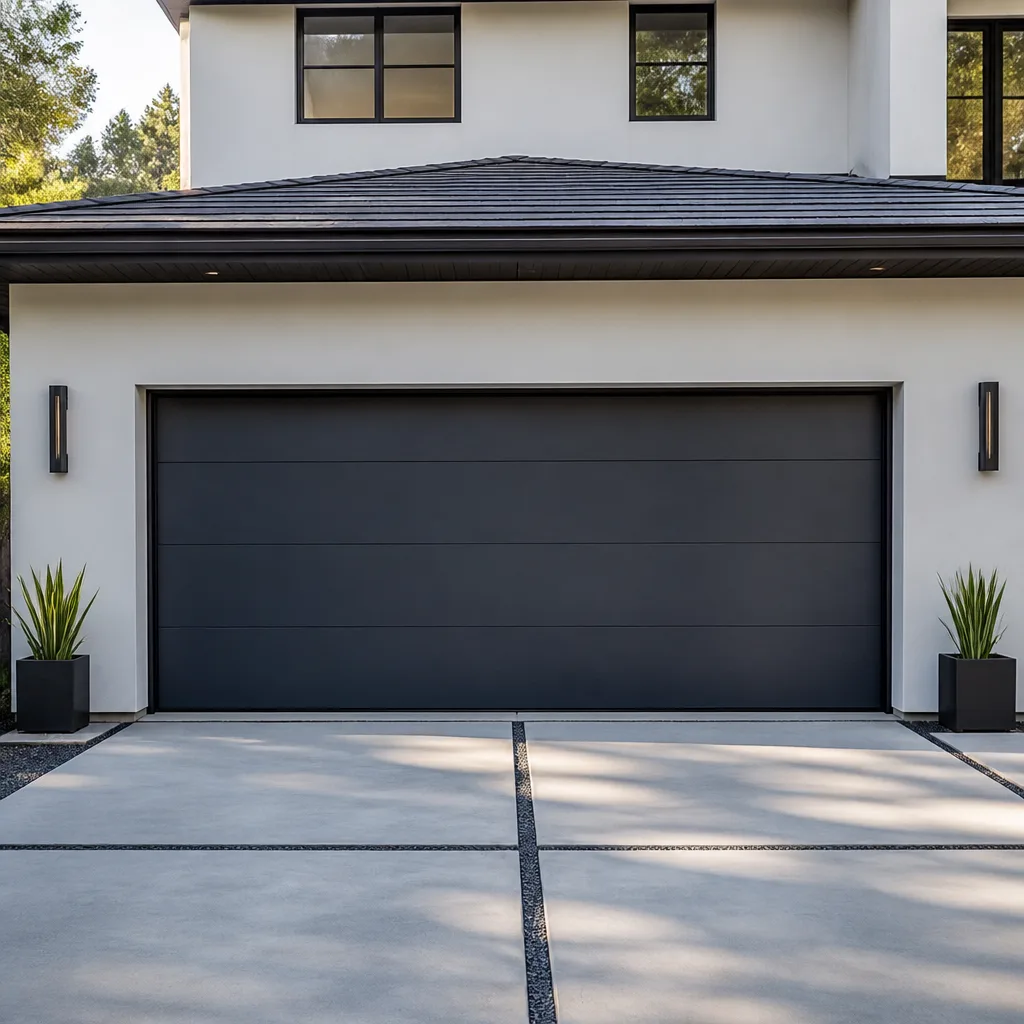 Modern flush
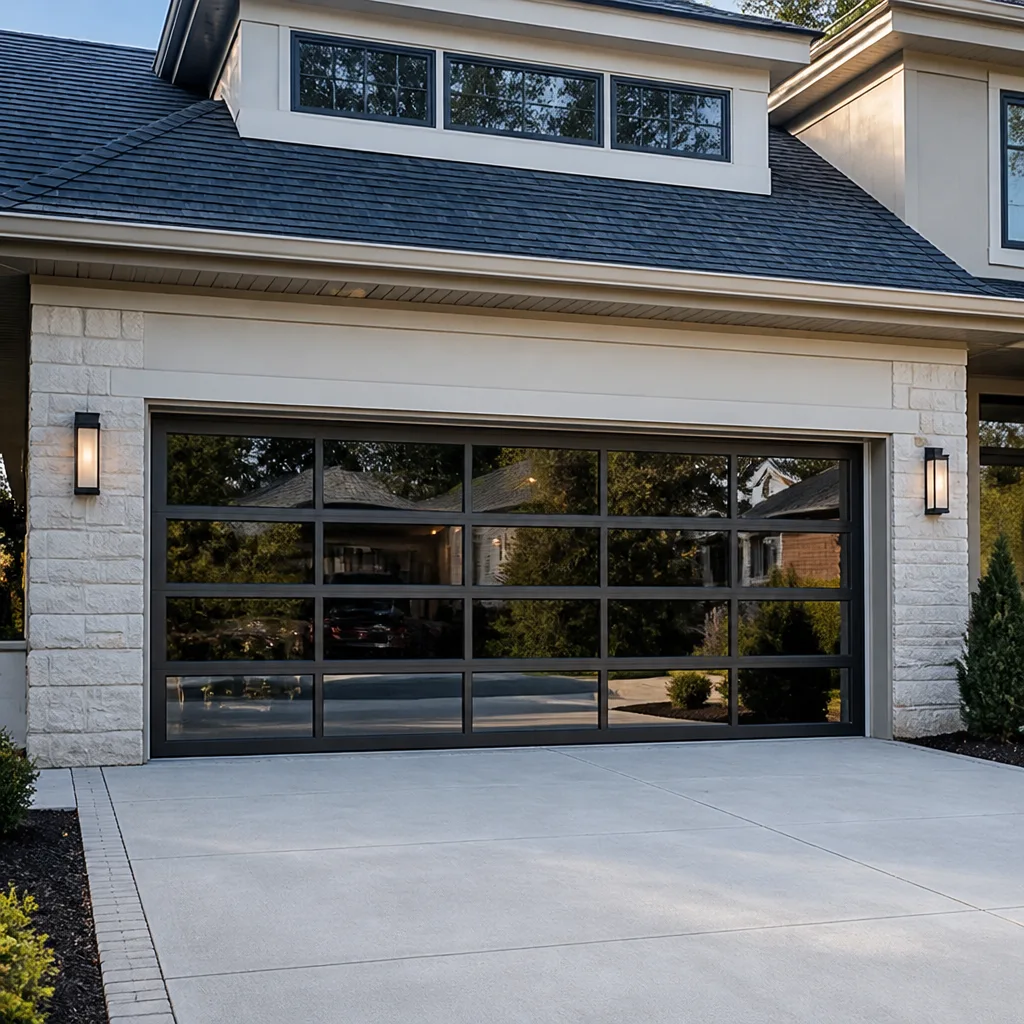 Full-view glass
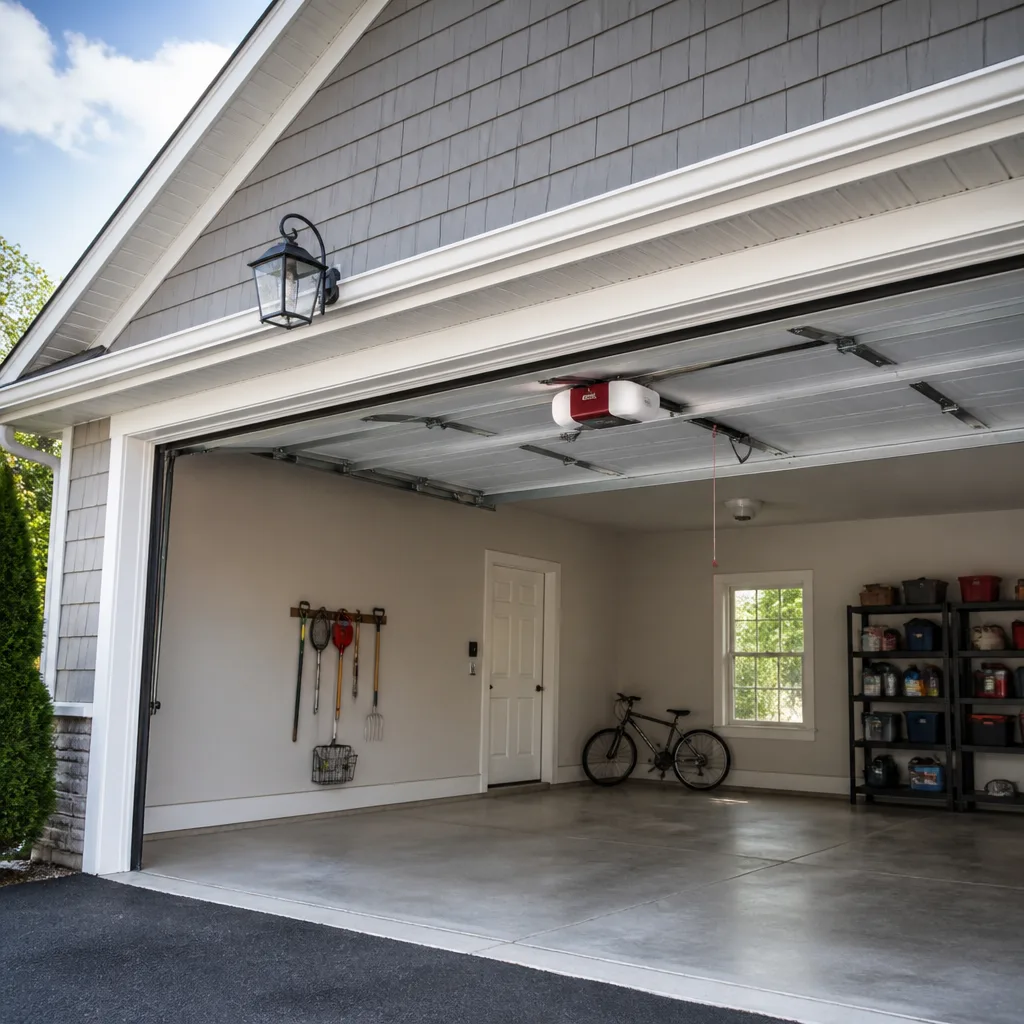 LiftMaster openers
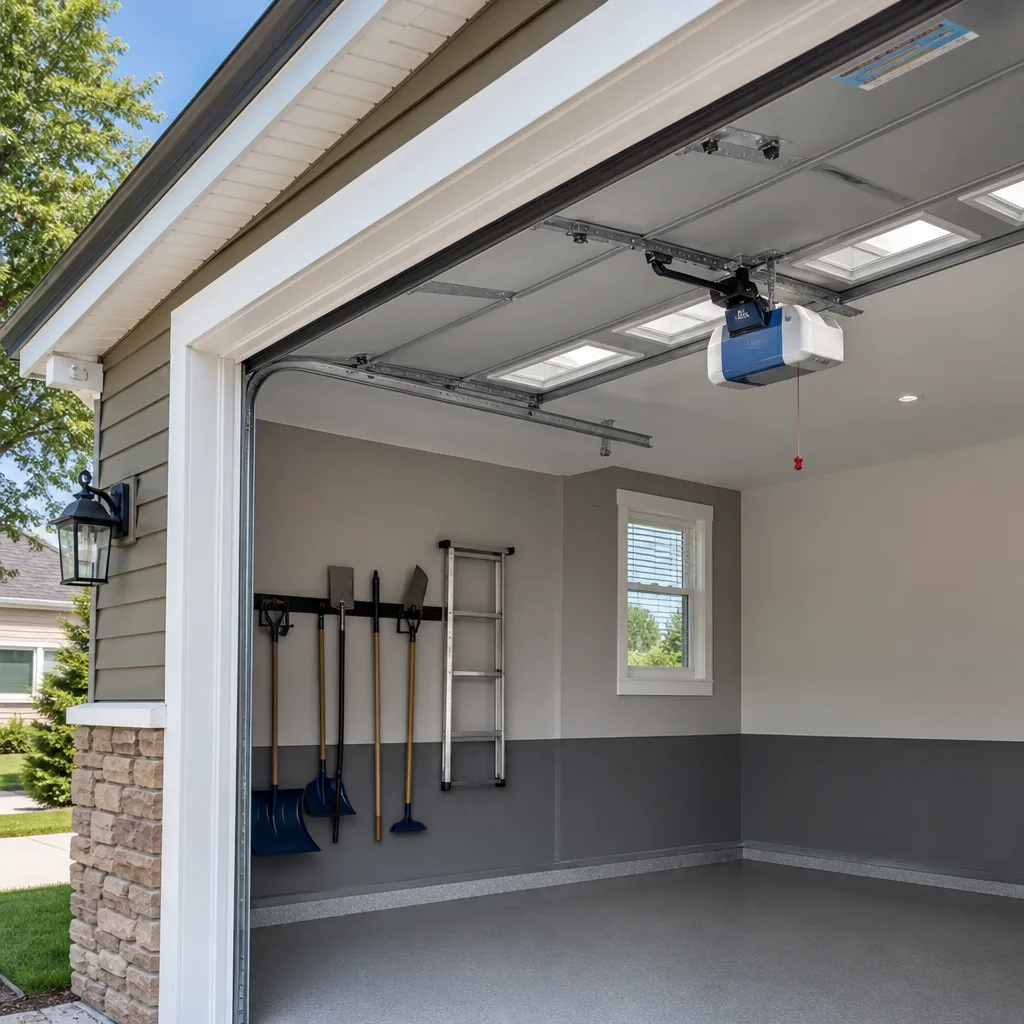 Chamberlain openers
Full 25-point door and opener safety check with every visit - springs, cables, rollers, tracks, and your LiftMaster or Chamberlain opener included
You get a price before we start. It does not change when the truck arrives.
Get your free estimateGarage Door Repair Maintenance Checklist for Brooklyn Homeowners
Most garage door maintenance checklists read like they were written in a sunny suburb with a wide driveway and a two-car garage that never freezes. Brooklyn is different. Our attached garages sit below living space, our concrete aprons heave with frost, and our narrow carriage-house driveways mean the tracks take hits that a cul-de-sac garage will never see. This checklist is built around those realities. It covers the seven checks that actually prevent the three repairs Brooklyn homeowners call about most: frozen-shut doors, snapped springs in February, and track bolts that have rattled loose on old cobblestone approaches. If you do these checks at the right times, you will avoid most emergency calls entirely. Here is what to do, month by month, and what to look for while you’re doing it, or browse our more guides & resources for additional help.
Styles & brands we work with
Quick Answer
A Brooklyn homeowner should perform seven garage door maintenance checks each year, timed to the city’s actual weather events rather than generic seasons. The most important check, lubricating the rollers, hinges, and springs with a cold-rated silicone spray, takes four minutes and prevents the frozen-door emergency calls our Garage Door Repair team answers most often in January and February. Spring inspection for rust and separation, bottom-seal gap checks after frost heave, and track-bolt tightening after winter should be done in early March, with a second round in late October before the first hard freeze.
Table of Contents
- Why Brooklyn Garage Doors Fail Differently
- The Seven Checks Brooklyn Homeowners Need
- Month-by-Month Calendar for Brooklyn
- Lubrication: What to Use and What to Avoid
- Bottom Seal and Threshold Inspection
- Spring Inspection From the Floor
- Documenting Wear With Phone Photos
- Common Mistakes to Avoid
- When to Call a Professional
- Frequently Asked Questions
- The Bottom Line
Why Brooklyn Garage Doors Fail Differently
Brooklyn’s housing stock creates a specific set of conditions that a generic maintenance guide never addresses. Most of our garages are either attached below a living floor or are converted carriage houses with original wood framing. In both cases, the garage sits partly below grade and experiences condensation cycles that standalone suburban garages do not. Warm air rises from the living space above into the garage cavity, meets the cold concrete floor, and condenses on metal surfaces: hinges, bolts, spring coils, and track brackets. That moisture is why we see rust on springs that are only four years old, and why lubrication breaks down faster in Park Slope and Carroll Gardens than it does on Long Island.
Freeze-thaw cycles are the second factor. Brooklyn sidewalks and driveways heave every winter. When the concrete apron in front of the door lifts even half an inch, the door meets it unevenly on the way down. That uneven pressure bends the bottom panel, compresses one side of the seal, and puts lateral stress on track bolts. By March, half the homes we visit in Kensington and Midwood have a seal that no longer seats flat, and a small gap at one corner that lets cold air and mice into the garage.
The third factor is space. Narrow driveways and tight street parking mean drivers back in closer to the door than they would anywhere else. Track strikes from mirrors, bumpers, and cargo racks are common. Each strike loosens a bolt or nudges a bracket a few degrees out of alignment. Over a year, that accumulates into a door that shudders on its way up and scrapes one side of the rail. Our recommendation: add track-bolt inspection to your checklist whenever the car has been close to the door, and do a full check every fall after summer’s parking maneuvers.
Brooklyn’s mix of prewar buildings and new construction adds another variable. Doors installed on 1920s garages often hang from original framing that has settled. Doors installed in new builds on former industrial lots sit on ground that may still be compacting. Neither condition shows up on a standard checklist. Both show up as a door that runs true for a year and then begins to drift, usually on the hinge side farthest from the opener.
The Seven Checks Brooklyn Homeowners Need
These seven checks, performed twice a year at the right times, prevent the majority of repairs Brooklyn homeowners call about. Each check is designed to be done from the floor with basic household tools and a phone camera. No ladders, no disassembly, no tension adjustment. If you notice a problem, call us for a repair visit rather than attempting to fix it yourself. The goal here is to catch deterioration before it becomes a breakdown, not to turn you into a technician.
1. Visual spring inspection
Stand inside the garage with the door closed. Look up at the torsion spring mounted above the door header, or the two extension springs running along the horizontal tracks on either side. A healthy spring has uniform coils with consistent spacing, an even color, and no visible rust patches. A spring within weeks of failure shows uneven gaps between coils, rust spotting, or a slight separation in the middle where the coil appears to be pulling apart. If you see any of those signs, do not open the door manually. Call for Garage Door Spring Repair in Brooklyn before the spring lets go while the door is in motion.
2. Lubrication of rollers, hinges, and springs
Use a cold-rated silicone spray or white lithium grease in a spray can. Never use WD-40 as a lubricant, and never use heavy axle grease on moving parts. Apply a light coat to the roller stems, the hinge points where the sections fold, and along the spring coils. Wipe away excess with a rag. In sub-freezing temperatures, use a product labeled for cold-weather use, as discussed below. This step is the single best preventive action a Brooklyn homeowner can take. It takes four minutes and costs under $12.
3. Bottom seal gap check
Close the door and look along the bottom edge from inside the garage. Daylight visible at either corner means the seal is not seating flat. Run your hand along the seal to feel for brittleness, cracks, or flat spots. In Brooklyn, the most common cause of an uneven seal is not the seal itself but the concrete below it, which has heaved or settled. A worn seal compresses unevenly; a damaged apron rejects the seal entirely. Check the concrete for cracks wider than a pencil and for a visible step at the center seam.
4. Track bolt tightening
The vertical and horizontal tracks are held to the wall and ceiling by brackets and bolts. The constant vibration of door operation, plus the impact of narrow-driveway parking, loosens those bolts over time. Use an adjustable wrench or the correct-size socket to gently snug each bolt you can reach from the floor. Do not overtighten. The goal is to remove play, not to torque the bracket into the sheetrock. In Brooklyn, pay special attention to the track section nearest the driveway. That is where side strikes transfer force.
5. Balance test
Pull the opener release handle to disconnect the door from the opener, with the door closed. Lift the door manually to chest height and let go. A balanced door stays put or drifts slightly, no more than a few inches. A door that drops hard or that you cannot lift without effort has a spring problem. Reconnect the opener and call for service. Do this test only when the door is closed and no one is standing beneath it.
6. Photo documentation
Use your phone to photograph the springs, both bottom seal corners, each track bracket, and the underside of the bottom panel. Capture the date in the photo metadata. Do this every March and October. When a technician from Garage Door Repair in Brooklyn visits, those photos tell them exactly how fast a component is wearing down. That prevents guesswork and sometimes prevents a premature replacement.
7. Opener reversal test
Place a 2×4 or a roll of paper towels flat on the floor directly under the door’s path near the center. Close the door using the opener. The door should reverse within two seconds of contacting the object. If it does not reverse, the opener’s safety mechanism is not working, and the door should not be used until it is repaired. This is a safety item, not a convenience item, and it matters in every Brooklyn household with small children or pets.
Month-by-Month Calendar for Brooklyn
Brooklyn’s weather drives this calendar. Our cold snaps arrive in January and February, our thaw comes in March, our humidity peaks in August, and our first hard freeze is usually in late November. Here is the schedule we recommend, keyed to what is actually happening outside your Brooklyn garage.
January and February
Watch for ice on the bottom seal. If the seal has frozen to the concrete, do not force the door open with the opener. The opener will strain and can strip its gear. Instead, pour lukewarm water along the bottom edge, never hot water, and let it sit for a few minutes. Once free, wipe the seal dry and apply a thin coat of silicone spray to the rubber. This prevents the ice from re-adhering. If the door still hesitates, the issue is likely the opener’s force settings, not the seal. Call us before you damage the door.
March
This is the most important maintenance month in Brooklyn. The ground has thawed, and the concrete apron has moved through its winter cycle. Check the bottom seal for new gaps, tighten track bolts, and photograph everything. March is also when we see the most extension spring failures in older Brooklyn homes, because rust has had a full winter to settle in. Do the visual spring inspection early in the month.
April through June
Open the door and leave it open for 20 minutes once a week. This airs out the condensation that builds up in attached garages below living space. While the door is open, wipe the tracks with a dry rag to remove pollen and dust, which mix with lubricant to form a gritty paste. Do not use water inside the tracks.
July and August
High humidity accelerates rust on unprotected metal. If your springs are more than seven years old and show no rust protection, now is a good time for a professional inspection. We also see more opener logic board failures in summer, when heat builds up in garages that reach over 100 degrees. If your opener starts reversing for no reason or runs erratically on hot afternoons, the heat may be the cause.
September
Check the balance of the door and run the reversal test. Summer is when Brooklyn families use the garage most heavily, and the door has cycled hundreds of times since spring. This is the right moment to catch a weakening spring before it fails in winter, when a broken spring means a garage full of frozen tools and a car you cannot get out.
October
Do a full lubrication with a cold-rated product. This is the step that prevents January freeze-ups. If you do only one maintenance task all year, do this one in late October. While you are at it, check the rubber bottom seal for summer cracking and the track bolts one final time before the cold sets in.
November and December
Run the door once and listen. A quiet door is a healthy door. Grinding, chattering, or a door that starts and stops abruptly are early signs that a spring, roller, or opener component is failing. At this point, repairs are faster and cheaper than they will be in mid-January. Fernbrook Garage Doors Brooklyn answers the phone live 24 hours a day, including holidays, so a call now saves a crisis later.
Lubrication: What to Use and What to Avoid
Most maintenance checklists say “lubricate the moving parts” and stop there. That is not enough for Brooklyn, where the wrong product in the wrong season causes real damage. Here is what we tell every homeowner on our service calls.
Use a silicone spray with a cold-weather rating, such as DuPont Silicone with Teflon or 3M Silicone Lubricant, or a white lithium grease in a spray can if your garage stays above freezing year-round. Apply to the roller stems where the wheel meets the axle, the hinge points between panels, and the spring coils. Never spray the roller wheel surface itself; a slick roller wheel slips on the track and causes the door to bind. One light pass, then wipe the excess. Two passes a year is enough.
Do not use WD-40 as a long-term lubricant. WD-40 is a water displacer and solvent, not a lubricant, and it strips existing lubrication from the metal. It works for freeing a stuck hinge temporarily, and then makes the hinge more likely to stick again. Similarly, do not use heavy axle grease or lithium paste on door rollers. Those products attract grit, and in Brooklyn’s street dust and pollen, grit acts like sandpaper on the track over a single season.
For springs, the correct choice matters more than most hardware store clerks realize. Torsion springs flex constantly, and the coil-to-coil contact points need a lubricant that stays in place without attracting dirt. A cold-rated silicone spray is the right product. If you are working in sub-freezing temperatures, check the can label. Many sprays thicken below 20 degrees and stop penetrating the coils. A product labeled for -20°F or below is worth the extra few dollars.
One product category to avoid entirely: household oils like 3-in-One or cooking spray. They gum up, they congeal in cold weather, and they hold dust. We have arrived at Brooklyn garages where a well-intentioned homeowner used olive oil on the hinges, and the result was a door that moved like it was opening through peanut butter. The fix is a solvent clean followed by proper silicone, and it is not hard, but it is avoidable from the start.
Bottom Seal and Threshold Inspection
In Brooklyn, the bottom seal is not just a piece of rubber. It is the line between a heated garage and a January sidewalk, between dry storage and a damp crawlspace, between a clean garage and a family of mice. The seal is a wear item, and it wears faster here than almost anywhere else because of what the freeze-thaw cycle does to concrete.
Here is the pattern we see repeatedly. A homeowner installs a new bottom seal in September. The concrete apron in front of the door is flat and the seal seats perfectly. January arrives. The ground freezes. Frost pushes the apron up by a quarter inch at the center. The door now sits on concrete that is uneven, and the seal compresses hard at the center and goes slack at the corners. Cold air gets in at the corners. Moisture follows. By February, the garage is colder than it should be and the bottom panel has begun to rust at the edges.
How to inspect: close the door fully and stand inside the garage. Turn off the lights. Look for daylight at the bottom corners and along the center. A properly seated seal shows no light and no visible gap. Next, open the door and run your fingers along the seal itself. A healthy seal is flexible and springy. A seal that has hardened, cracked, or flattened in places has lost its ability to conform to the concrete. In Brooklyn’s climate, a rubber bottom seal should be replaced every three to five years, more often if the door faces north and gets no winter sun.
What about the threshold? On most Brooklyn garages, there is no raised threshold, just a concrete slab that meets the driveway. If water pools at the door after a heavy rain, the slab may need a raised aluminum or rubber threshold strip installed under the seal. That is a simple retrofit that keeps meltwater and road salt from reaching the bottom panel. It also gives the seal something consistent to press against when the concrete heaves.
One Brooklyn-specific note: many of our attached garages are located at the rear of a rowhouse or beneath a stoop, where the door is in the shade most of the day. Those doors stay damp longer after rain and snow. Check those seals twice as often, because the moisture cycle in a shaded Brooklyn garage is closer to a basement than a typical garage.
Spring Inspection From the Floor
Every maintenance guide tells you to inspect the springs. Almost none explain what a failing spring actually looks like from the floor, which is why so many homeowners miss the signs until the spring snaps. For a deeper dive, see our Garage Door Warning Signs: A Brooklyn Homeowner’s Reference Guide. Here is what we look for when we walk into a Brooklyn garage.
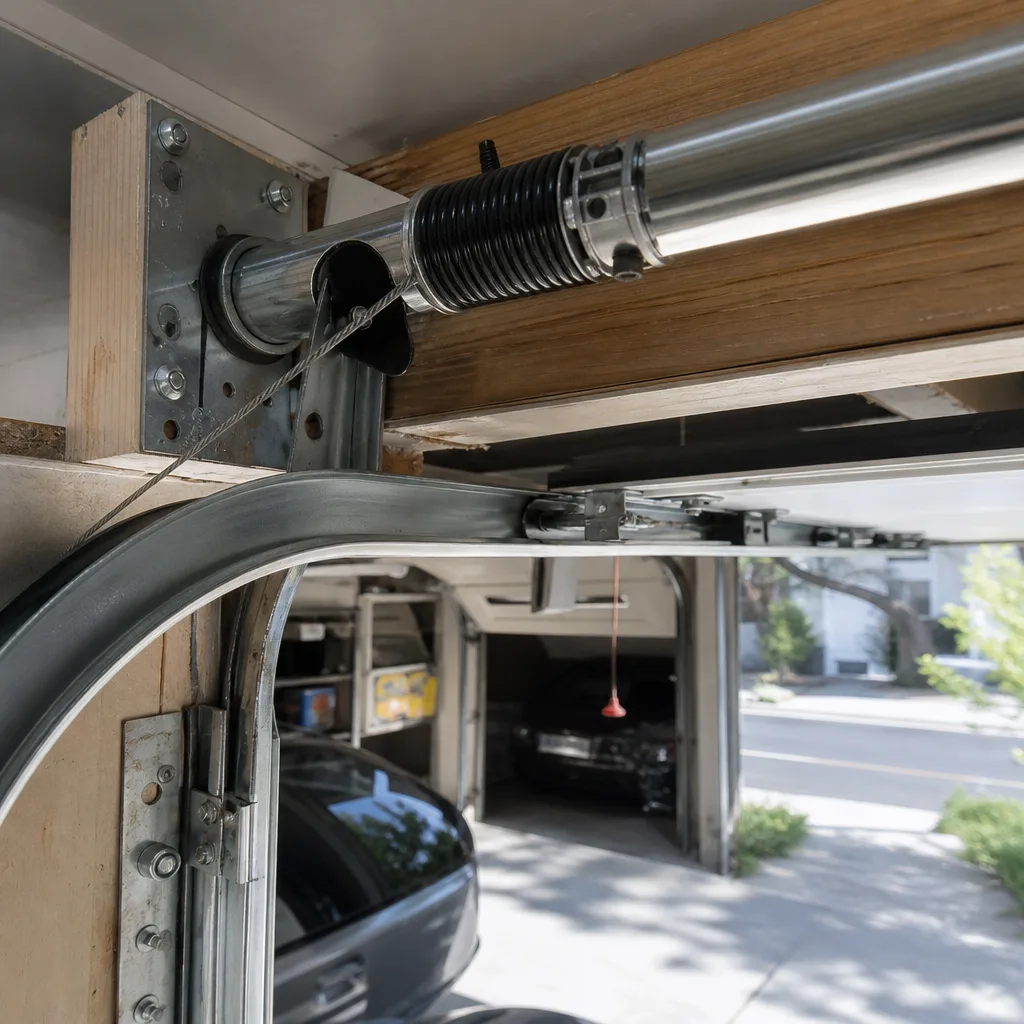
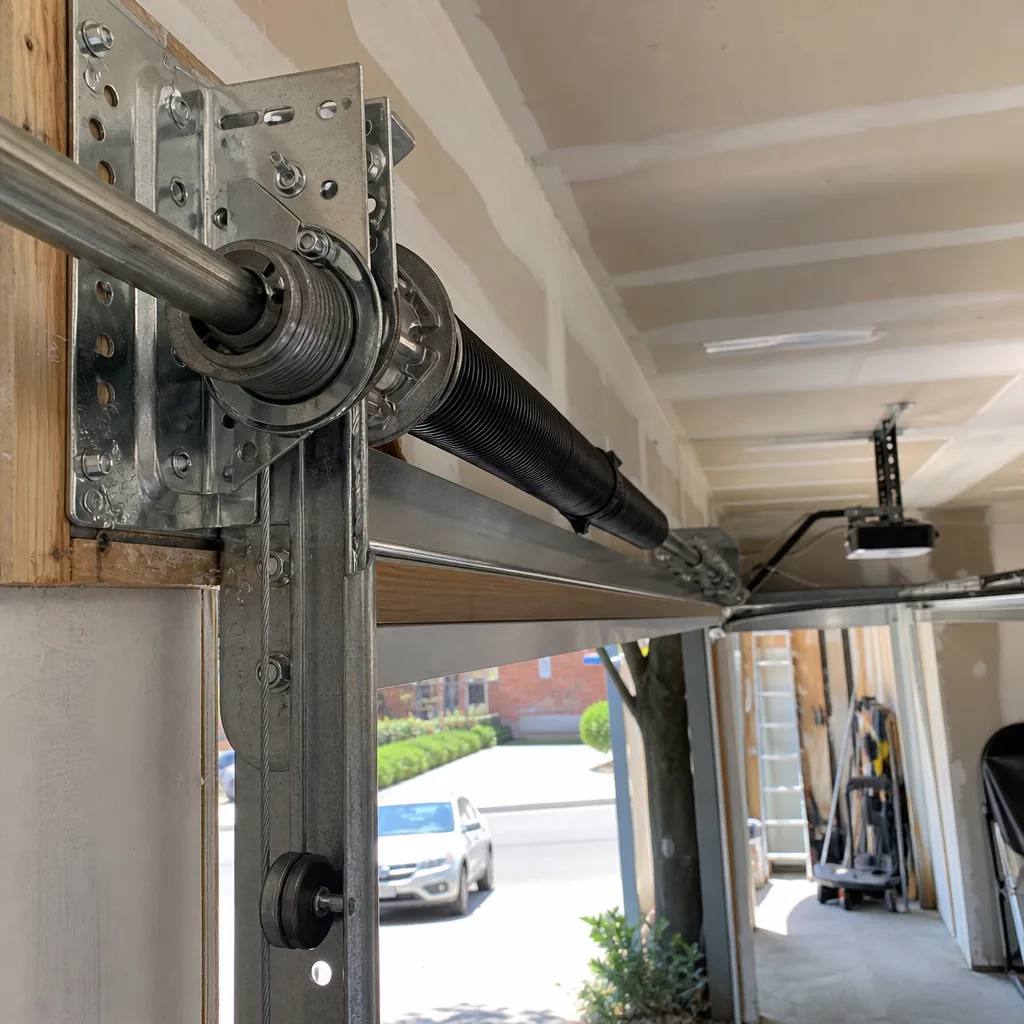
A healthy torsion spring has an even, dark finish and coils that are uniform in spacing along the entire length of the spring. It sits centered on the shaft above the door, with no visible gaps between coils and no coil that appears stretched or separated from its neighbor. A healthy extension spring, on an older door, has a clean coil with no rust and hooks that are seated squarely in their holes.
A spring nearing the end of its life shows specific signs. The most obvious is rust. Rust on a spring is not cosmetic; it changes the metal at a structural level, and a rusted coil is measurably weaker than a clean one. In Brooklyn garages where condensation is common, we see rust on springs within five to seven years even on well-maintained doors. If the rust is heavy enough to flake, expect failure within months, not years.
The second sign is coil separation. Look closely at the middle of the spring, not just the ends. A healthy spring has coils that touch or nearly touch. A failing spring often shows a small gap at the center, where the metal has begun to stretch. That gap widens with each cycle, and when it reaches a visible few millimeters, the spring is actively failing. If you see a gap, call us before you open the door again.
The third sign is sound. A spring that creaks, pops, or makes a shuddering noise when the door moves is telling you something. Those noises come from coils that are no longer moving smoothly against each other, usually because of rust, grit, or loss of lubrication. A creaking spring is not necessarily failing soon, but it is asking for attention, and the time to answer is before a winter morning when a snapped spring leaves your car trapped in the garage.
What you should not do: do not touch the spring, do not apply tension or attempt any adjustment, and do not use penetrating oil on a rusted spring in the hope of extending its life. The spring is under high tension at all times, even when the door is closed, and an untrained attempt at service can cause serious injury. A visual inspection from the floor is the limit of safe DIY work. If you see anything concerning, call a professional.
Documenting Wear With Phone Photos
The single most useful habit a Brooklyn homeowner can build is taking the same four photos every spring and fall, and showing them to a technician when a problem arises. Here is the set we recommend, and why each one matters.
- Both torsion spring ends. Stand directly below the spring and photograph from left side and right side. This captures rust, coil spacing, and any shift in the spring’s seating. Comparing a March photo to an October photo shows exactly how much rust has developed over one Brooklyn summer.
- Each bottom seal corner. Close the door and photograph from inside, at floor level, showing where the seal meets the concrete. A gap that did not exist in photos from six months ago proves the concrete has moved, not that the seal was cut wrong.
- Every track bracket, both sides. Shoot from floor level up the vertical track, then from the door opening along the horizontal track. These photos show whether a bracket has shifted, a bolt has loosened, or the track has developed a bend from a winter parking bump.
- The underside of the bottom panel. With the door open, photograph the underside edge, where water and road salt collect. This is where rust starts on a door, and a photo makes it possible to track whether a patch is spreading.
Store these in a labeled album on your phone, not scattered through your camera roll. When you call Garage Door Repair in Brooklyn, be ready to send the photos or show them to the technician at the door. A technician who sees a spring as it looked six months ago, compared to how it looks today, can make a far more accurate judgment about whether replacement is urgent or can wait. That is better care, and it often saves the cost of replacing a part that is not actually failing.
This practice also protects you. A written price before any work starts, as part of the Cedarwell Care Promise, works best when the technician can see exactly what is wrong. Photos remove the guesswork, and guesswork is where surprise invoices come from.
Common Mistakes to Avoid
- Using WD-40 as a lubricant. It is a solvent, and it strips the lubrication that was already there. Within a few weeks the hinges are noisier than before. Use a cold-rated silicone spray instead.
- Lubricating the roller wheel surface. The wheel must grip the track slightly to roll correctly. A slick wheel slips and the door shudders. Lubricate only the roller stem, where the wheel meets the axle.
- Forcing a frozen door with the opener. When the bottom seal freezes to Brooklyn’s concrete, hitting the opener button strains the motor and can strip the plastic gear. Free the seal first with lukewarm water, then wipe it dry and apply silicone.
- Ignoring a noisy door. A garage door that suddenly grinds, squeals, or bangs is communicating a mechanical problem. Waiting until it fails turns a $200 spring replacement into a service call, a bent track, and possibly a damaged opener.
- Skipping the October lubrication because the door still works. The October lubrication is not about immediate function. It is the preventive step that keeps the door working through January, when the alternative is a frozen-shut door on the one morning you cannot be late.
- Tightening track bolts too aggressively. Track brackets attach to framing or sheetrock, not to structural steel. Over-tightening strips the anchor and makes the track less secure, not more. Snug is the target, not tight.
- Replacing the bottom seal without checking the concrete. If the concrete apron has heaved, a new seal will not fix the gap. The seal conforms to the surface it sits on. Fix the threshold slope or add a raised threshold strip, then the seal will do its job.
When to Call a Professional
Several conditions should prompt a call rather than another look. If you see coil separation on a torsion spring, visible rust flaking, or hear a loud snap followed by a door that will not move, do not operate the door. The spring has likely failed and is not safe to touch. If the door drops hard during a balance test, or if you cannot lift it at all, the springs are not counterbalancing the door’s weight. If the opener reverses in the middle of a normal cycle, or if it runs but the door does not move, the opener’s components need professional diagnosis. If the tracks are visibly bent or a bracket has pulled away from the wall, continuing to operate the door worsens the damage every cycle. Fernbrook Garage Doors Brooklyn offers free estimates in Brooklyn, and a live person answers the phone 24 hours a day at (845) 610-0375. For tips on choosing the right company, read How to Hire a Garage Door Contractor in Brooklyn: A Step-by-Step Guide. If you see any of these conditions, calling now is the cheaper option by a wide margin.
Frequently Asked Questions
A professional garage door maintenance visit in Brooklyn typically costs $79 to $150 for a full inspection, lubrication, balance test, and minor adjustments on a standard single door, with most companies quoting the price before any work begins. Some repairs found during the visit, like a worn bottom seal or a failing roller, add to the total, but Fernbrook Garage Doors Brooklyn provides a written price before any work starts, every visit, no exceptions. Call (845) 610-0375 for an exact quote, and the estimate is free.
Yes, and you should, twice a year in Brooklyn, using a cold-rated silicone spray on the roller stems, hinges, and spring coils only. Do not use WD-40, household oil, or grease, and do not lubricate the roller wheel surface. If you are unsure, a technician can demonstrate the correct points during a maintenance visit.
Moisture from Brooklyn’s changing winter temperatures collects on the bottom seal and freezes to the concrete, bonding the rubber to the slab overnight. The fix is to prevent moisture from pooling by keeping the seal dry, lubricating it with silicone, and replacing a cracked or flattened seal before winter begins, not after the door is stuck.
Standard torsion springs last 7 to 12 years, or roughly 10,000 cycles, but Brooklyn’s condensation cycles often shorten that to 5 to 8 years on attached garages below living space. If your springs show rust, coil separation, or make grinding noises, they may be close to the end regardless of age.
Not necessarily. A concrete apron that has heaved or settled can be addressed with a raised threshold strip that gives the seal a consistent surface to press against, which is significantly cheaper than replacing the concrete. If the cracks are wide enough to collect water, a concrete repair may be needed, but the seal itself is often not the root cause.
Yes. A live person answers the phone 24 hours a day, 7 days a week, and Fernbrook Garage Doors Brooklyn dispatches technicians across Brooklyn for same-day service, including weekends and holidays. Call (845) 610-0375, describe what you are seeing, and we will tell you what is likely wrong and when a technician can arrive.
The Bottom Line
Brooklyn garage doors do not fail randomly. They fail on a schedule that mirrors the city’s weather, and the repairs most homeowners dread are the ones that could have been caught early. Lubricate with a cold-rated silicone spray in late October and again in early March. Check the bottom seal after every freeze-thaw cycle. Photograph the springs twice a year and compare. Snug the track bolts, test the balance, and run the reversal test every spring and fall. Those seven checks, done at the right times, prevent most frozen doors, snapped springs, and tracked-alignment issues we see across Brooklyn. If you would rather have a professional handle it, Fernbrook Garage Doors Brooklyn provides a written price before any work starts, on every visit, with no exceptions. Call (845) 610-0375 for a free estimate. Our Fernbrook Garage Doors Brooklyn home is always open, and a live person answers 24 hours a day. For Garage Door Installation in Brooklyn, we are glad to walk you through options from Clopay, Amarr, or Wayne Dalton, sized to your specific opening and styled to your home.
Written by Jesse Calder, Owner at Fernbrook Garage Doors Brooklyn, serving Brooklyn since 2002.
See the difference
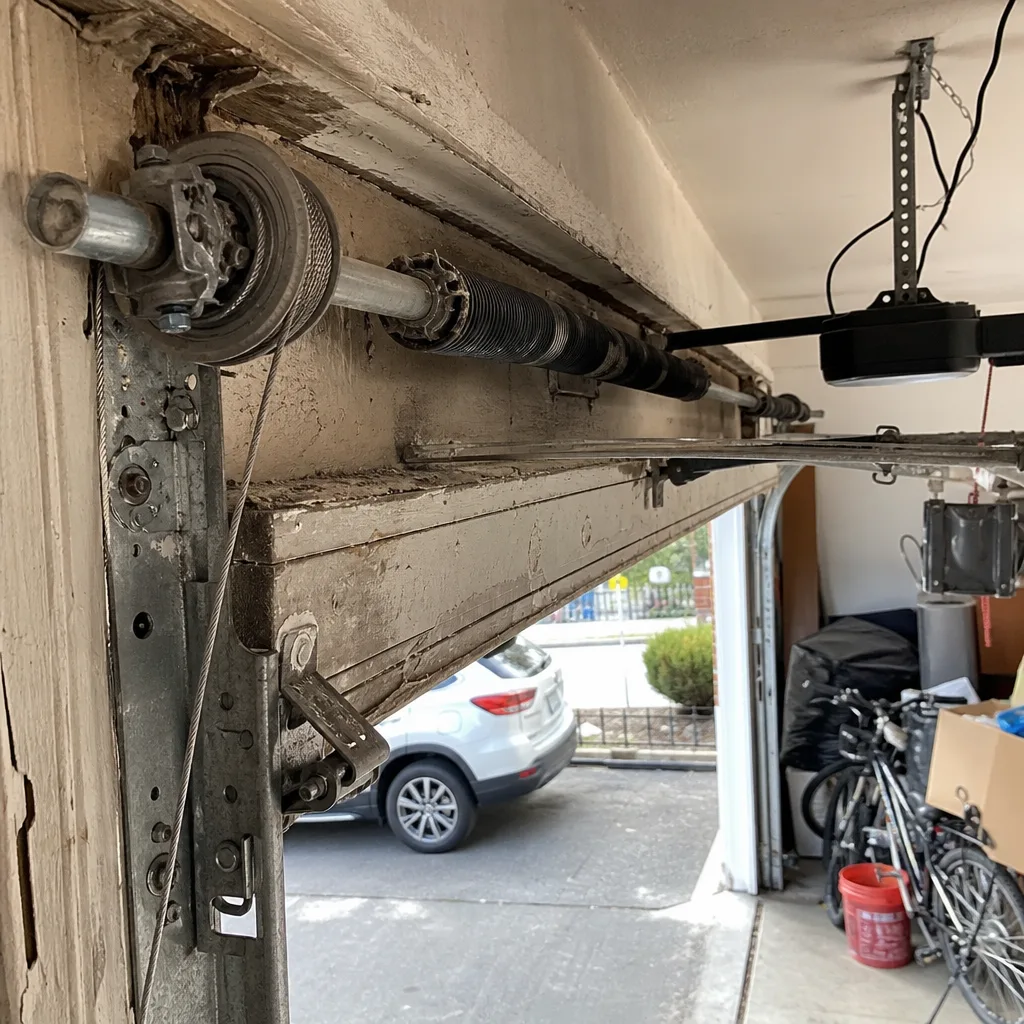 Before
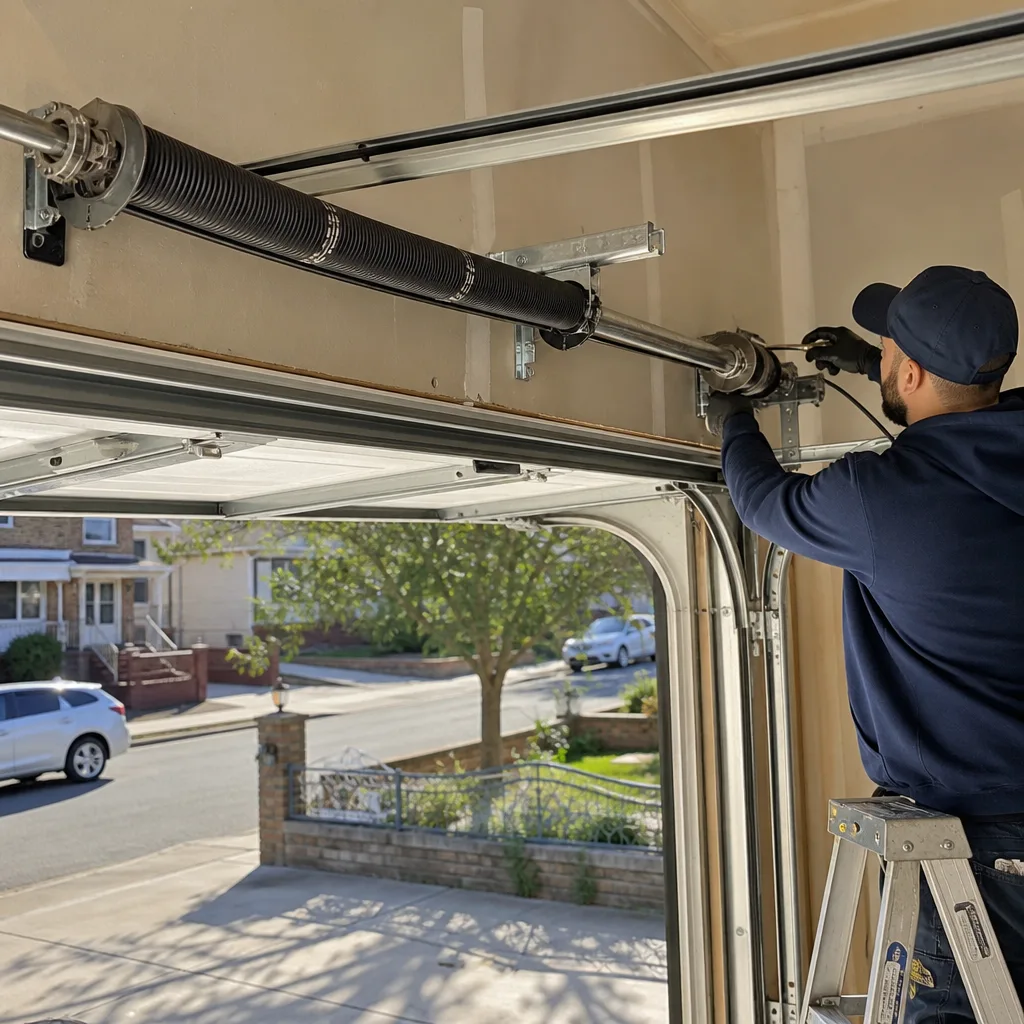 After
After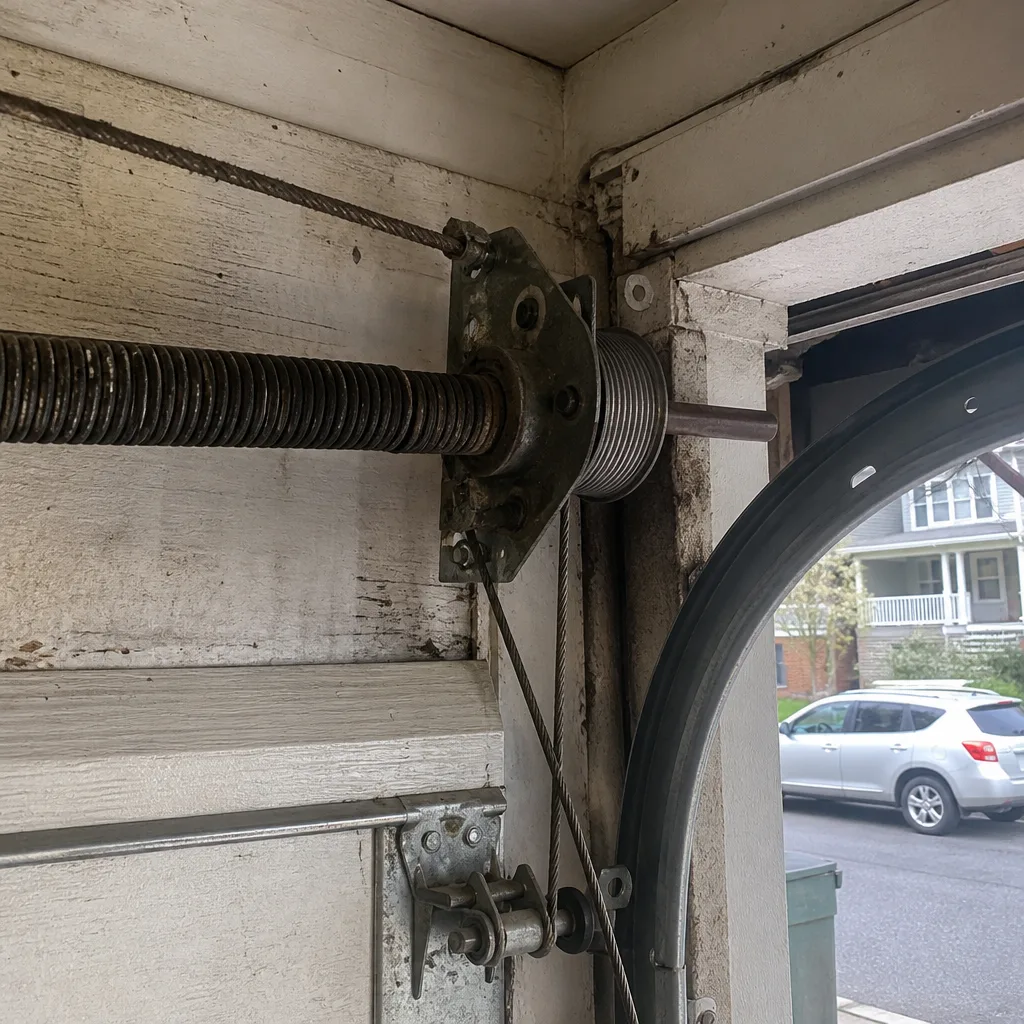 Before
 After
After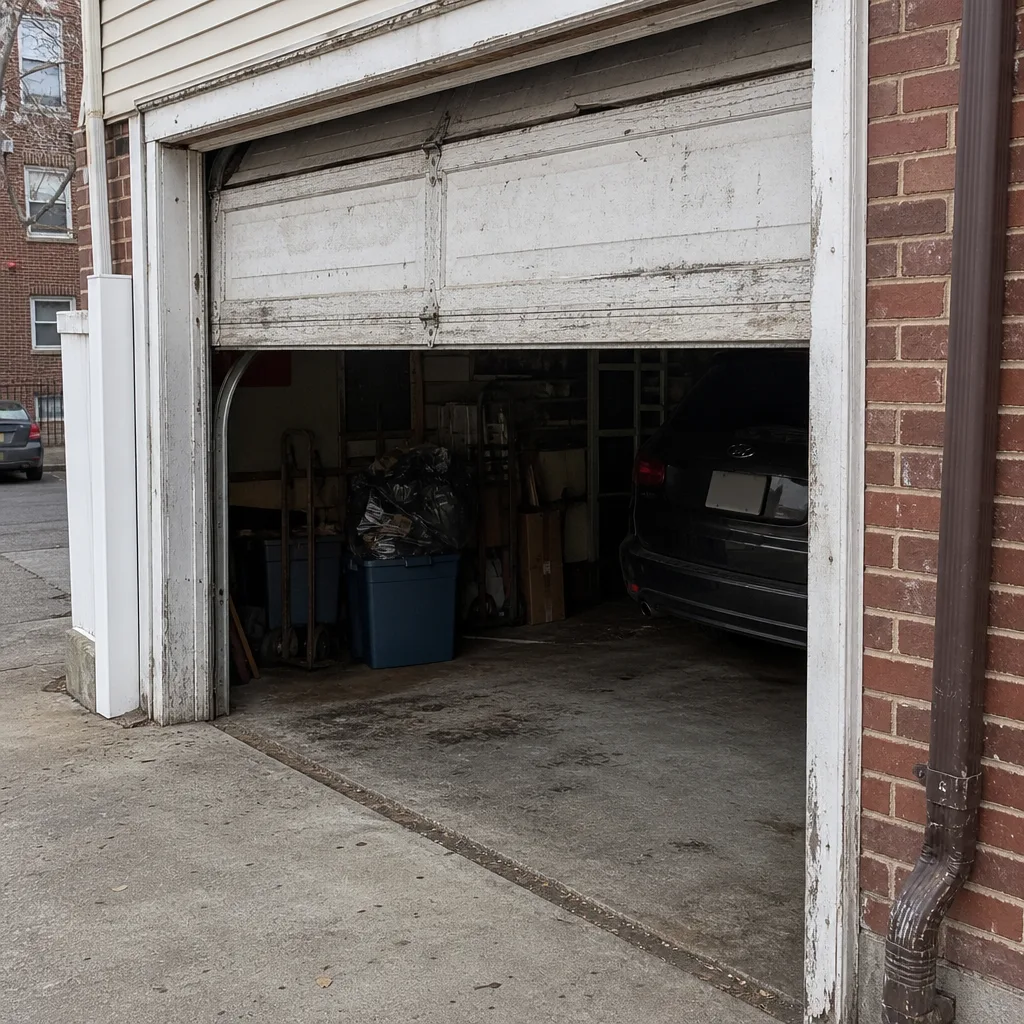 Before
 After
After