
Last updated October 17, 2026
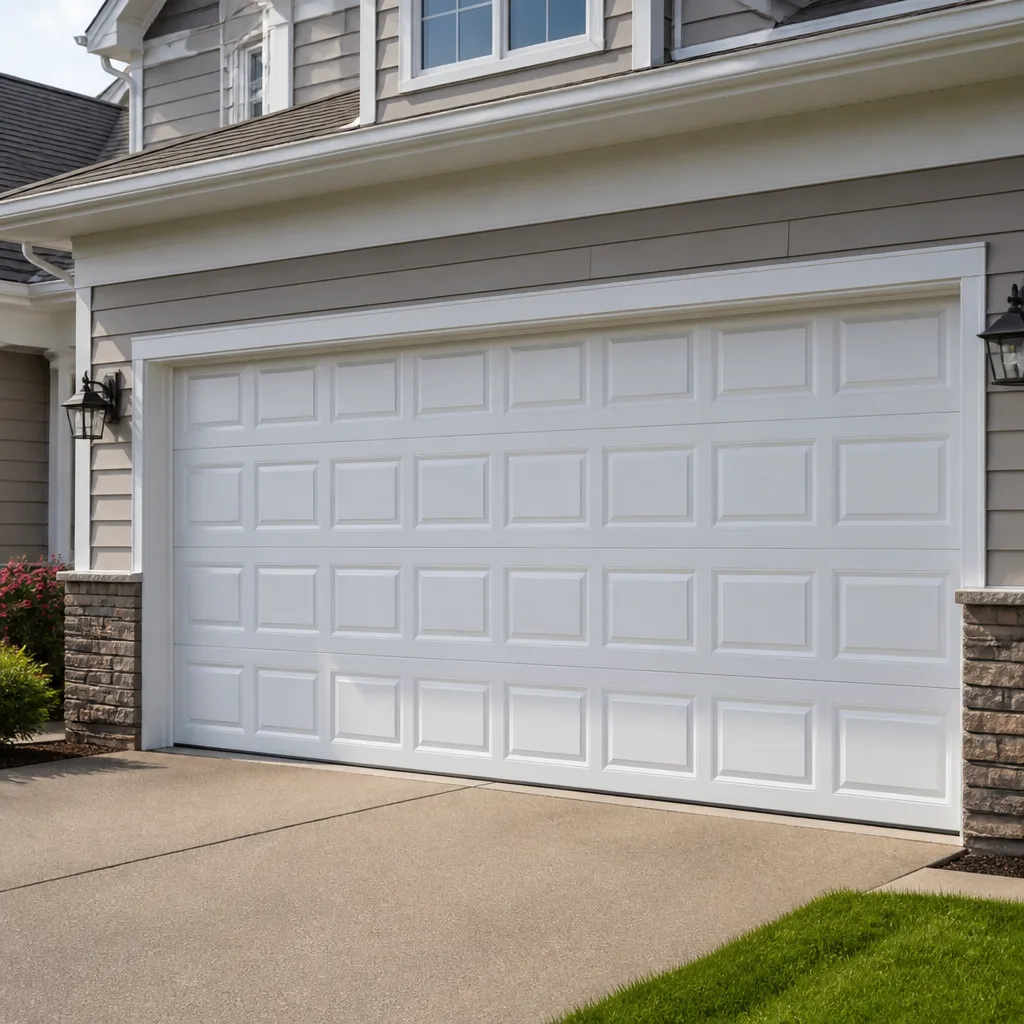 Raised-panel steel
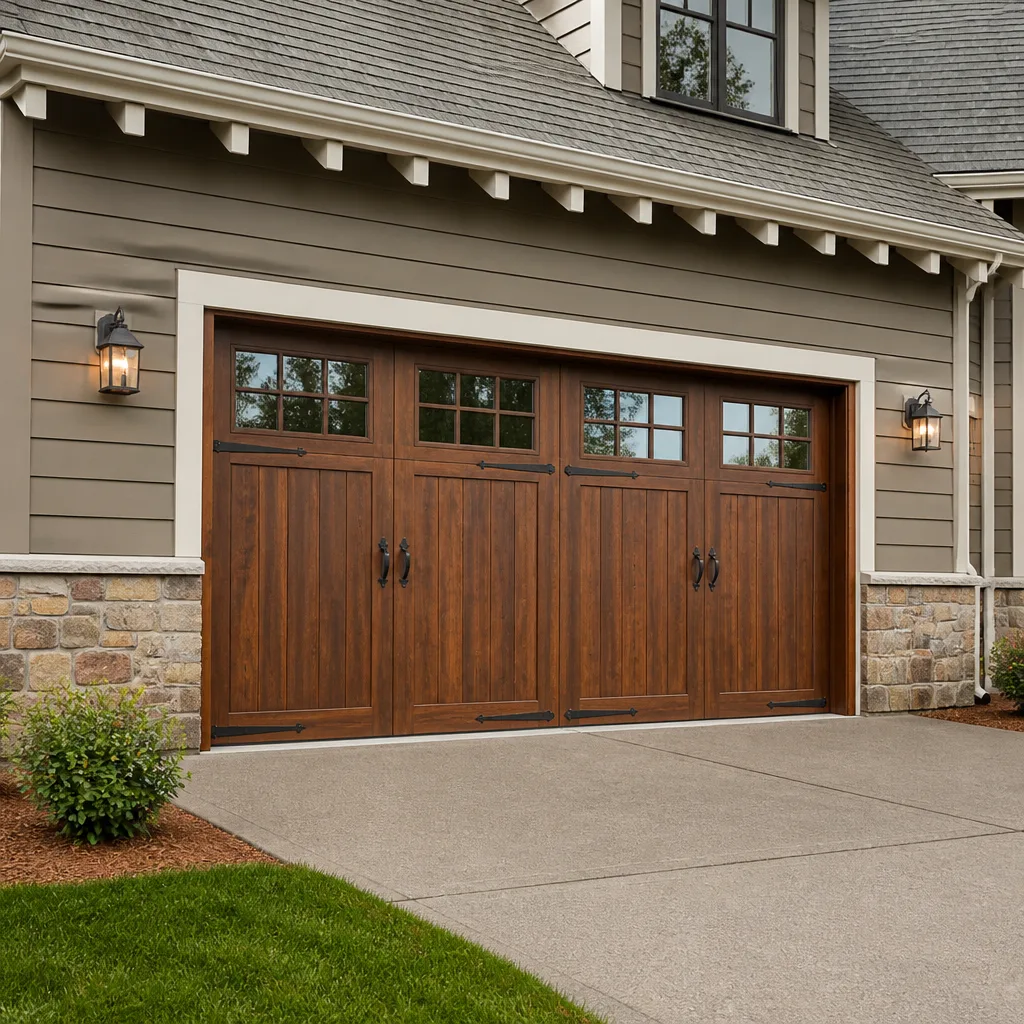 Carriage house
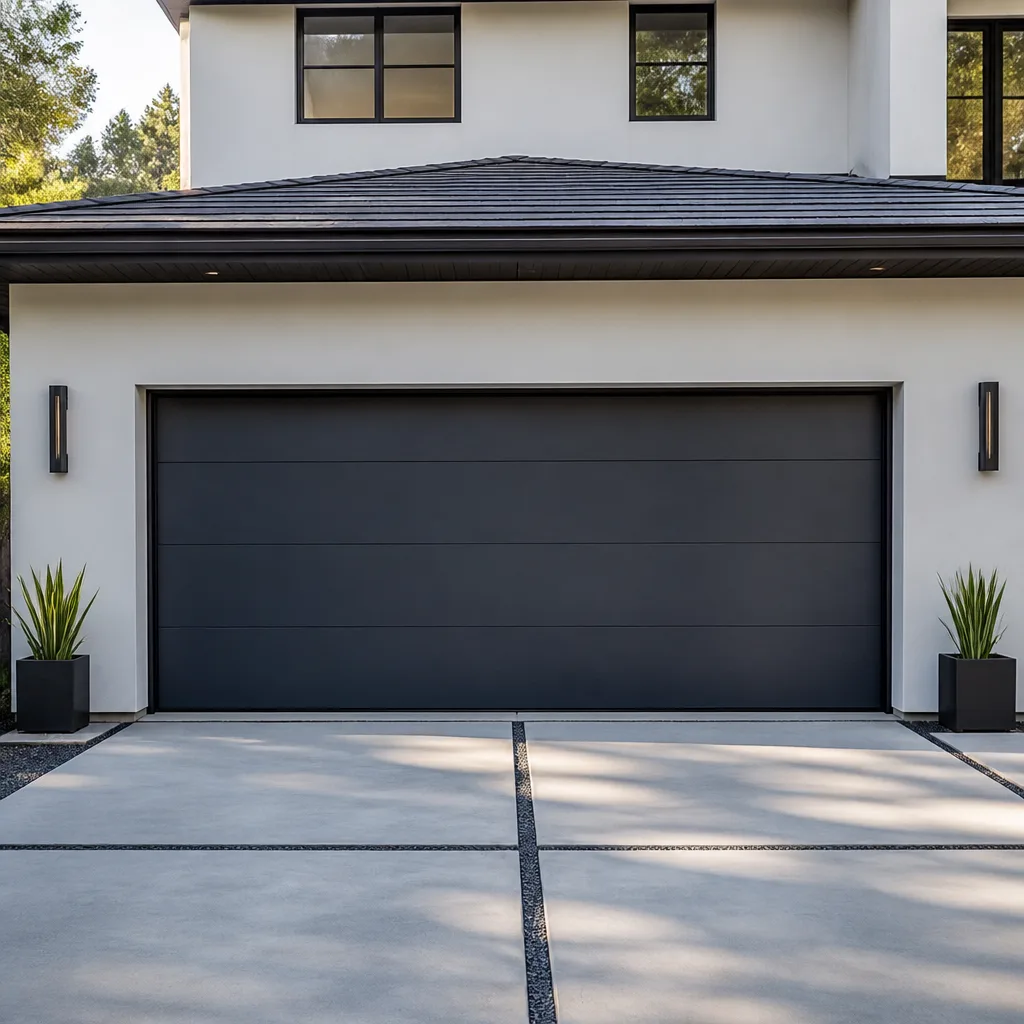 Modern flush
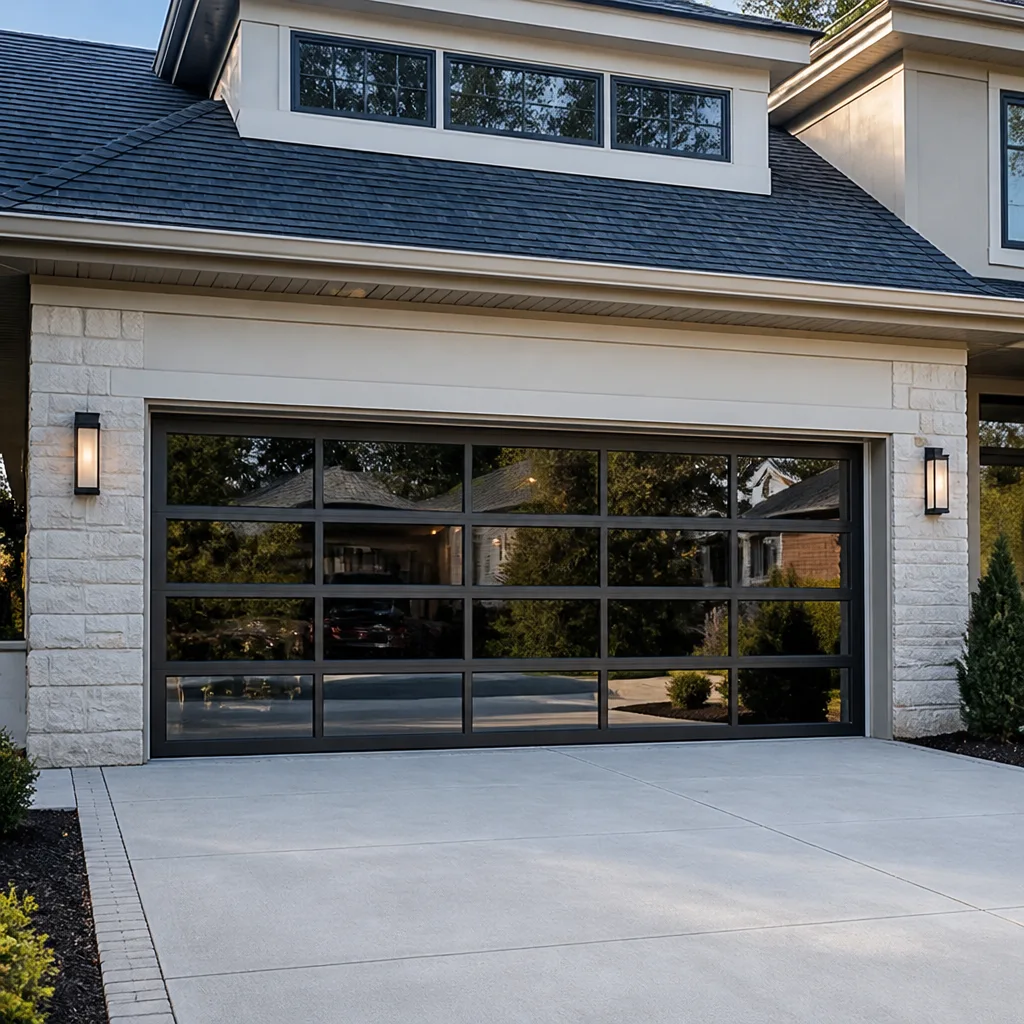 Full-view glass
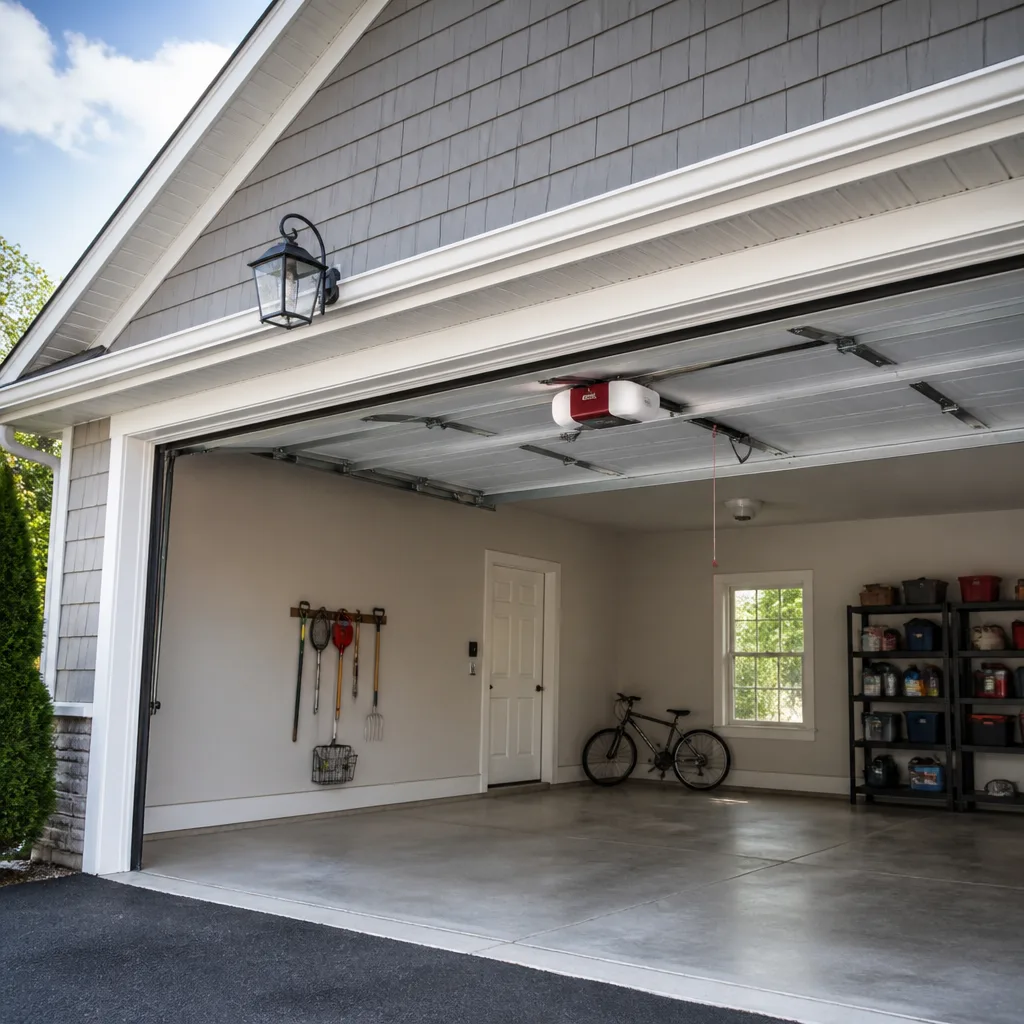 LiftMaster openers
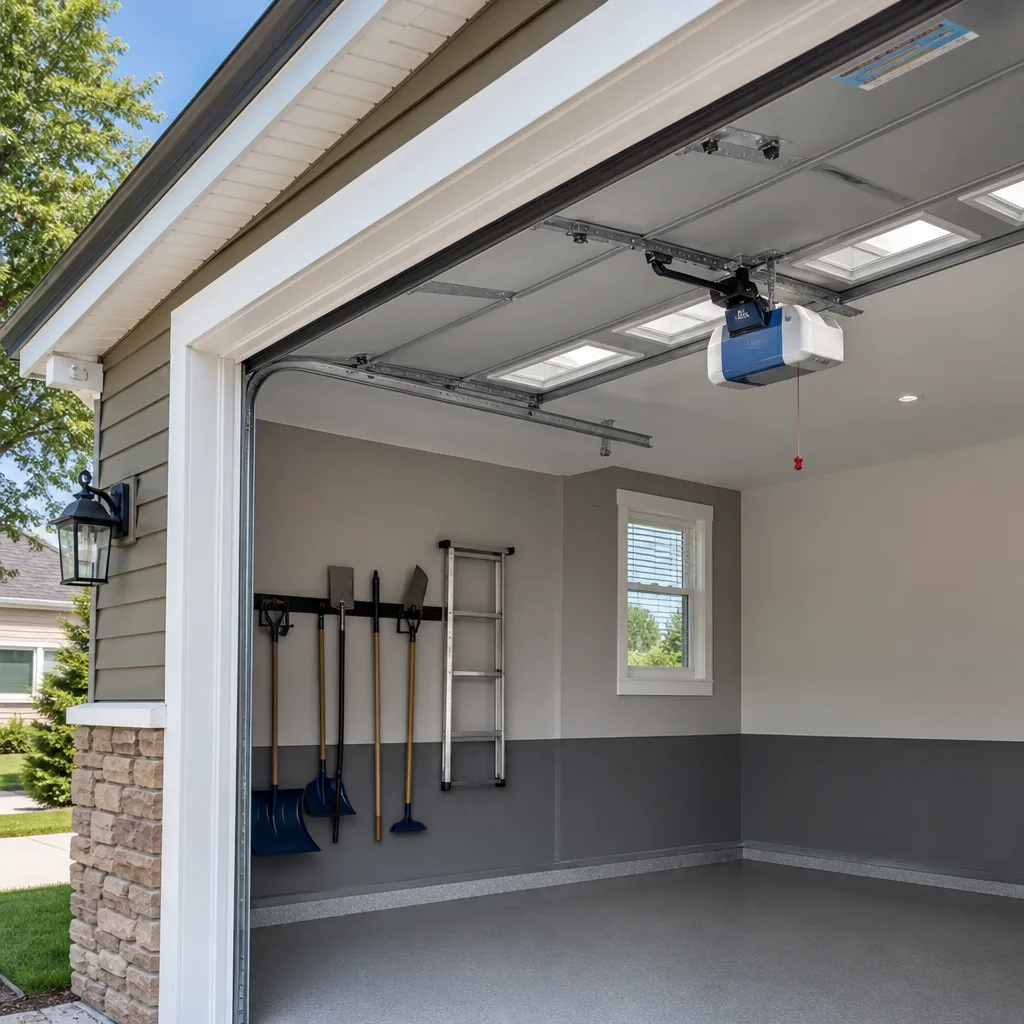 Chamberlain openers
Full 25-point door and opener safety check with every visit - springs, cables, rollers, tracks, and your LiftMaster or Chamberlain opener included
You get a price before we start. It does not change when the truck arrives.
Get your free estimateSeasonal Garage Door Care for Brooklyn: Year-Round Homeowner’s Guide
The garage door failures Brooklyn homeowners report most in January were almost always set in motion in October, when summer humidity trapped inside the spring assembly begins to condense and corrode the torsion spring from the inside out. That corrosion takes roughly 90 days to do its work. By the time the first hard freeze hits, the spring has been quietly weakening for a full season, and the cold simply finishes what the moisture started. This guide walks through Brooklyn’s four-season cycle as a single connected maintenance year: what each season does to your door, which checks matter when, and why a task done in the right month saves you from a repair in the wrong one. For a deeper dive, see The Complete Guide to Garage Door in Brooklyn. You’ll find specific monthly tasks, price ranges for common Brooklyn repairs, and a printable seasonal card at the end.
Styles & brands we work with
Quick Answer
Seasonal garage door care in Brooklyn means aligning maintenance with the city’s humidity, freeze-thaw cycles, and summer heat: lubricate and inspect the spring and cable system in October before thermal contraction sets in, check bottom seals and panel moisture in August before winter water finds its way in, and do a track-alignment inspection each March after the ground thaws and shifts. Done consistently, this prevents most mid-winter spring failures and most springtime binding issues. A basic seasonal inspection by a Brooklyn garage door technician typically runs $75 to $150, and most Brooklyn homeowners schedule it twice a year: once in October, once in March.
Table of Contents
- Winter in Brooklyn: What the Cold Actually Does to Your Door
- Spring Thaw in Brooklyn: The Track Shift Nobody Sees
- Summer Humidity in Brooklyn: Panels, Seals, and Logic Boards
- Fall in Brooklyn: The Most Important Maintenance Window
- The Brooklyn Monthly Task Card: What to Do and When
- What Seasonal Garage Door Care Costs in Brooklyn
- Common Mistakes to Avoid
- When to Call a Professional
- Frequently Asked Questions
- The Bottom Line
Winter in Brooklyn: What the Cold Actually Does to Your Door
Brooklyn winters are not the harshest in the country, but they are humid. The air off the East River and the Atlantic keeps moisture levels higher than in inland cities, and that moisture interacts with cold metal in specific ways. When temperatures drop below freezing, the steel in your torsion spring contracts. The spring is already under enormous tension, hundreds of pounds of it on a typical two-car door. Contraction makes the metal slightly more brittle and slightly shorter, which changes how the spring responds as the door cycles. A spring that was balanced in September will not be balanced in February. That is not a defect. It is physics.
What we see in Brooklyn garages every January and February follows a pattern. The call comes in the morning, after the first truly cold night. The door will not open, or it opens a few inches and stops. The homeowner assumes the opener failed. In most cases, the opener is fine. The spring has snapped because corrosion started months earlier, and the cold made the weakened metal fail. A snapped torsion spring is not a DIY repair. The tension in a wound spring can release violently enough to cause serious injury. If your door will not open on a cold Brooklyn morning and you hear a loud bang from the garage in the night, that is a spring. Call a technician. Do not try to force the door up; the opener cannot do it alone, and the strain on the cable drums can cause a second failure.
The winter-specific tasks that do help, and that are safe for a homeowner to do, are simpler:
- Keep the tracks clear of road salt and slush that drip off the car. Salt accelerates rust on the track bolts and the bottom brackets.
- Check that the bottom seal still meets the concrete. A door that lets cold air under it costs you heat every night, and in Brooklyn, that heat is expensive.
- Listen for changes in the opener’s sound. A door that groans louder in cold weather is telling you the spring is working harder than it should.
Most winter failures in Brooklyn are spring and cable failures, not opener failures. The opener is usually the victim of working against a compromised spring for weeks. That is why the fall maintenance window matters so much more than any January emergency call.
Spring Thaw in Brooklyn: The Track Shift Nobody Sees
Brooklyn’s freeze-thaw cycle is harder on garage doors than most homeowners realize. The concrete apron in front of the door is a slab that sits on the ground. In winter, the ground under it freezes and expands. In spring, it thaws and settles. That movement is rarely dramatic, but it does not need to be. A shift of an eighth of an inch in the concrete slab changes the geometry of the entire door opening. The track on one side of the door is mounted to the wall, but the door itself rides on rollers that follow the track, and the bottom of the door meets the concrete. If the concrete has risen or settled even slightly, the door no longer meets the slab evenly.
The shift is invisible to the eye. You cannot stand in your driveway and see an eighth-inch change in a slab that is twelve feet wide. But you can hear it and feel it. The door catches on the way down. The opener strains on the way up. The gap under one corner of the door is bigger than the gap under the other corner by the time March arrives. In Brooklyn neighborhoods like Midwood or Marine Park where garages sit directly on grade with older concrete, this is a familiar spring issue.
The spring thaw inspection is simple and worth doing every March:
- Close the door fully and stand outside. Look at the gap under the door from left to right. Any visible difference between the two corners means the slab has moved.
- Open the door halfway and let go of the opener controls. The door should stay in place. If it drifts up or down, the spring tension has changed since fall.
- Run the door through a full open-close cycle and listen for scraping or grinding on one side. That is usually a roller binding against a track that has shifted.
- Check the cable on each side. They should be equally taut. A loose cable on one side means the drum has accumulated slack, often from a change in track alignment.
If you notice any of these signs, a garage door spring repair in Brooklyn technician can rebalance the spring and realign the track in a single visit. Most alignment corrections run $125 to $200 in Brooklyn, and the work takes under an hour. Left alone, a shifted track wears the rollers and hinges unevenly, and within a season or two, the door starts binding badly enough to damage the opener.
Summer Humidity in Brooklyn: Panels, Seals, and Logic Boards
Brooklyn summers are humid in a way that inland drivers never experience. July and August bring weeks of air so wet that metal tools left in a garage grow surface rust, and wooden doors absorb moisture like a sponge. For a wooden panel door, that moisture is a slow-moving problem. Wood expands when it absorbs water. The panels swell, the paint or finish stretches and cracks, and the door’s weight changes. A wooden door that weighed 250 pounds in May can weigh 260 pounds by August, just from absorbed humidity. That extra weight is never accounted for in the spring balance, which was set for a dry door.
The bottom seal is the other August problem. Rubber and vinyl seals soften in heat and harden in cold. A seal that baked against hot concrete all summer, then spent August swollen and compressed, will not recover by winter. The August check is simple: close the door and look at the seal from inside the garage. Daylight visible under the seal means water will get in this winter, and in Brooklyn, winter means snowmelt and slush off the car, not just rain.
Summer heat also does something to the opener that most homeowners never suspect. The logic board inside the opener is a printed circuit board with capacitors and resistors that do not like heat. A garage in August can reach 110 degrees inside, and when the opener’s board overheats, it behaves strangely: the door hesitates before moving, the wall control stops responding temporarily, or the opener starts and stops mid-cycle. A door that hesitates in July rarely corrects itself by August. The board has been heat-cycled too many times, and the components have degraded. If you notice hesitation in summer, it is cheaper to have the opener inspected then than to wait for a cold January night when the board finally fails entirely.
Summer tasks for Brooklyn homeowners:
- Check the bottom seal for cracks, gaps, or daylight in August.
- If you have a wooden door, look for swollen panels or cracking paint around the panel edges.
- Test the door’s manual operation once in July: pull the red release cord and open the door by hand. It should move smoothly with modest effort. If it feels heavy, the spring needs attention.
- Keep the opener’s vents clear of dust. A hot logic board fails faster when it cannot shed heat.
We have worked on Clopay and Amarr wooden doors throughout Brooklyn, and the August moisture check is the single most valuable summer habit for those doors. It costs nothing and prevents the swelling that causes winter cracks.
Fall in Brooklyn: The Most Important Maintenance Window
October is the maintenance month in Brooklyn. The work done in October determines whether the door survives January. The reason is moisture. All summer, humidity has been working its way into the spring assembly. The torsion spring sits in a metal tube or on a shaft, and the humidity inside that space is trapped there. When October brings cooler nights, the moisture begins to condense on the spring’s surface. Condensed water on a spring under tension is how corrosion starts. Left alone, that corrosion eats into the spring’s surface, creating microscopic pits and cracks. Three months later, the cold makes the metal contract and the weakened spring snaps. The timeline from October condensation to January failure is why fall maintenance exists.
The fall inspection should include the spring and cable system specifically. Here is what a thorough October check covers, and what a Brooklyn garage door technician will do during a seasonal tune-up:
- Inspect the torsion spring for surface rust, especially at the points where the spring coils touch the stationary cones. That is where moisture pools.
- Check the cable condition. Frayed strands mean the cable is near failure, and a cable failure drops the door suddenly, which can damage the door panels and injure anyone nearby.
- Lubricate the spring, hinges, and rollers with a garage-door-rated lubricant. This is not a household oil job. The wrong product attracts dust and makes things worse. A technician uses a dry silicone or lithium spray that coats without gumming.
- Check the balance. The door should stay put when opened halfway. A door that drifts is telling you the spring has lost tension over the summer.
- Tighten all the bolts and brackets on the track. Thermal expansion and contraction loosen things over time, and a loose track bolt in October becomes a rattling, misaligned door by February.
Temperature matters for this work. The specific threshold that changes spring tension is around 40 degrees Fahrenheit. Below that, the spring metal has contracted enough that a balance check done at 35 degrees will read differently than one done at 65 degrees. In Brooklyn, late October and early November nights cross that threshold routinely. That is why we recommend the fall tune-up before the first hard freeze: the balance is set correctly for the cold months, and the spring goes into winter with a clean, lubricated surface instead of a summer’s worth of trapped moisture.
For homeowners who want to do the visual checks themselves, the fall inspection is a reasonable DIY task. The lubrication and balance work is safer and more effective in the hands of a technician, but the visual inspection is yours to do. If you see rust, fraying, or a door that will not stay put at the halfway point, call a Garage Door Repair in Brooklyn before December. The repair you prevent in October costs a fraction of the one you accept in January.
The Brooklyn Monthly Task Card: What to Do and When
The best seasonal maintenance is the maintenance that actually happens, and the best way to make it happen is to tie tasks to specific months. Here is a printable task card organized by month, with each task tied to what that month’s weather does in Brooklyn.
January – February
- Listen for changes in opener sound during cold operation.
- Check that the bottom seal still meets the concrete; snowmelt finds gaps fast.
- If the door will not open on a very cold morning, do not force it. The spring may have snapped.
March
- Do the spring thaw inspection: gap under door, door drift at halfway, cable tension on both sides.
- Check the concrete apron in front of the door for new cracks or raised edges.
- If the door is catching or scraping, schedule a track alignment before the issue compounds.
April – May
- Clean the tracks with a dry cloth to remove winter salt and grit.
- Test the auto-reverse safety feature by placing a roll of paper towels under the closing door. The door should reverse on contact.
- Check the weatherstripping on the sides of the door for winter cracking.
June – July
- Test manual operation: pull the red release cord and open the door by hand. It should feel smooth and reasonably light.
- Watch for opener hesitation during hot days. Hesitation means the logic board may be overheating.
- Check for rust spots on the bottom panel, especially on steel doors near the salt line from winter.
August
- Check the bottom seal for daylight visible from inside the garage.
- If you have a wooden door, look for swollen panels and cracking paint.
- Clean the opener’s exterior vents of dust and debris.
September – October
- Do the full fall inspection: spring rust, cable fraying, hinge wear, balance check.
- Schedule a lubrication and tune-up before the 40-degree threshold arrives.
- Tighten any bolts or brackets you can safely reach.
November – December
- Confirm the door is balanced after cold weather has arrived.
- Keep the area around the door clear of leaves and debris that hold moisture against the bottom panel.
- If you have not lubricated the spring this fall, do it before the deep freeze.
Print this section and tape it to the inside of the garage door, or keep it with your snow brush where you will actually see it. The card takes five minutes to check each month, and it catches most problems before they become calls you did not plan to make.
What Seasonal Garage Door Care Costs in Brooklyn
Brooklyn pricing for garage door work is different from the suburbs or upstate. Labor rates are higher, parking is harder, and technicians often lose time to traffic. But the work itself is not more expensive than anywhere else in the metro area, and the maintenance prices are predictable. Knowing the numbers before you call helps you plan, and it means no surprise on the invoice. Fernbrook Garage Doors Brooklyn always presents a written price before any work begins, so what is quoted is what is paid.
Here is what Brooklyn homeowners typically pay for seasonal maintenance and the common repairs that follow it:
- Seasonal tune-up and inspection (spring or fall): $75 to $150 depending on door type and condition.
- Track realignment after winter thaw: $125 to $200 including bolt tightening and roller adjustment.
- Torsion spring replacement (single spring): $180 to $340 installed, including the spring and labor.
- Torsion spring replacement (both springs on a two-car door): $300 to $550 installed.
- Bottom seal replacement: $90 to $180 including the new seal and labor.
- Opener logic board replacement or opener repair: $125 to $300 depending on brand and model.
- Full garage door replacement: $1,200 to $3,800 depending on material, insulation, and size. A garage door installation in Brooklyn typically includes disposal of the old door.
These ranges reflect what we see across Brooklyn neighborhoods from Bay Ridge to East New York. The final number on your door depends on the brand, the condition, and the access to the work area. A Genie opener repair costs differently than a Chamberlain, and a Wayne Dalton door with rusted hinges takes longer than a well-maintained Clopay. The written price comes before the work, so there is no ambiguity.
One note on emergency pricing: a January spring snap on a Sunday night will cost more than a planned October tune-up, in Brooklyn or anywhere else. The tune-up is the cheaper of the two choices, every time. That is the entire argument for this guide.
Common Mistakes to Avoid
- Skipping the October lubrication because the door “seems fine.” The damage from summer humidity is invisible for weeks. By the time the door shows symptoms, the corrosion has already weakened the spring. October is the window, not January.
- Using WD-40 or household oil on the spring and rollers. These products are thin and attract dust. The spring needs a dry silicone or lithium spray designed for garage doors. Household oil creates a sticky film that holds grit against the metal.
- Forcing the door open with the opener after a spring snaps. The opener cannot lift the full weight of the door without the counterbalance of the spring. Forcing it strains the cable drums and can drop the door suddenly. This is how people get hurt.
- Ignoring a door that hesitates in July. Heat damage to a logic board does not heal in the fall. A hesitant door in August is a dead opener by January, and the January call costs more than the July inspection.
- Assuming the track is fine because it looks straight. The concrete shifts under the door, not on the wall. A track can look perfect while the door binding tells you the geometry has changed. Trust the door’s movement, not your eye.
- Painting over a swollen wooden panel without addressing the moisture. The swelling comes from humidity inside the wood. Paint seals the surface and traps the moisture, making the problem worse. The panel needs to dry first, then the finish can be repaired.
- Doing spring or cable work as a DIY project. The torsion spring holds hundreds of pounds of tension. The cable under load can cut like a blade if it snaps. This is the one area where a professional is not a preference but a necessity. In Brooklyn, a garage door spring repair call costs far less than a hospital visit.
When to Call a Professional
Some seasonal work is yours to do: the visual checks, the monthly task card, the seal inspections. Some work is not. If the spring shows rust or the cables show fraying, call before the season turns. If the door will not stay put at the halfway point, the balance is off and the spring needs attention. If the door sags on one side or scrapes against the track, the geometry has shifted and the fix involves tension adjustments you should not attempt. And if the door will not open on a cold morning after a loud bang from the garage, the spring has snapped, and the only safe response is a phone call. Fernbrook Garage Doors Brooklyn offers free estimates across Brooklyn, and a live person answers the phone 24 hours a day at (845) 610-0375. The technician arrives with shoe covers, drop cloths, and a written price before any work starts.
Frequently Asked Questions
Twice a year: once in October before the cold sets in, and once in March after the thaw. The fall visit focuses on the spring, cables, and lubrication. The spring visit focuses on track alignment and balance after the concrete has shifted. A seasonal tune-up in Brooklyn typically costs $75 to $150.
Summer humidity in Brooklyn causes wooden panels to swell, bottom seals to compress against hot concrete, and opener logic boards to overheat and degrade. The moisture also finds its way into the torsion spring assembly, where it condenses in October and corrodes the spring from the inside out over the following 90 days. The August bottom-seal check is the single most useful summer task for preventing winter water infiltration.
Cold weather makes metal contract, and a torsion spring under tension becomes slightly shorter and more brittle below about 40 degrees Fahrenheit. If the spring was already weakened by corrosion from the previous summer’s humidity, the first hard freeze is often when it fails. The door will not open because the spring can no longer counterbalance the door’s weight.
Yes, with the right product. Use a dry silicone or lithium spray specifically labeled for garage doors, applied to the spring, hinges, and rollers. Do not use WD-40 or household oil, which attract dust and create a sticky film. The lubrication itself is safe for a homeowner. Leave the spring adjustment and cable work to a technician.
A single torsion spring replacement in Brooklyn typically runs $180 to $340 installed, and a pair of springs for a two-car door runs $300 to $550. The final number depends on the spring size, the door weight, and the brand. Fernbrook Garage Doors Brooklyn gives a written price before any work starts, so there is no surprise on the invoice.
No. A snapped spring means the door’s full weight is no longer counterbalanced, and the door can fall suddenly. Forcing it with the opener strains the cables and drums and risks serious injury. The safe response is to leave the door closed and call a Brooklyn garage door technician. Fernbrook answers calls live 24 hours a day at (845) 610-0375.
The Bottom Line
Brooklyn’s garage doors face a specific four-season pattern: summer humidity that corrodes springs, fall condensation that accelerates the damage, winter cold that finishes it, and spring thaw that shifts the geometry under the door. The maintenance that prevents most failures happens in October, not January, and the inspection that catches winter damage happens in March, not April. A twice-yearly tune-up costs $75 to $150 per visit in Brooklyn, and it prevents nearly all mid-winter spring failures and most springtime track issues. The monthly task card in this guide takes five minutes a month, and the number to call when something needs a professional is (845) 610-0375. Fernbrook Garage Doors Brooklyn has been caring for Brooklyn’s garage doors as part of the Cedarwell family since 2002, and every visit includes a written price, shoe covers, drop cloths, and a photo of the clean-up before the technician leaves. Return to the Fernbrook Garage Doors Brooklyn home page any time you need a seasonal check or a second opinion.
Written by Jesse Calder, Owner at Fernbrook Garage Doors Brooklyn, serving Brooklyn since 2002.
See the difference
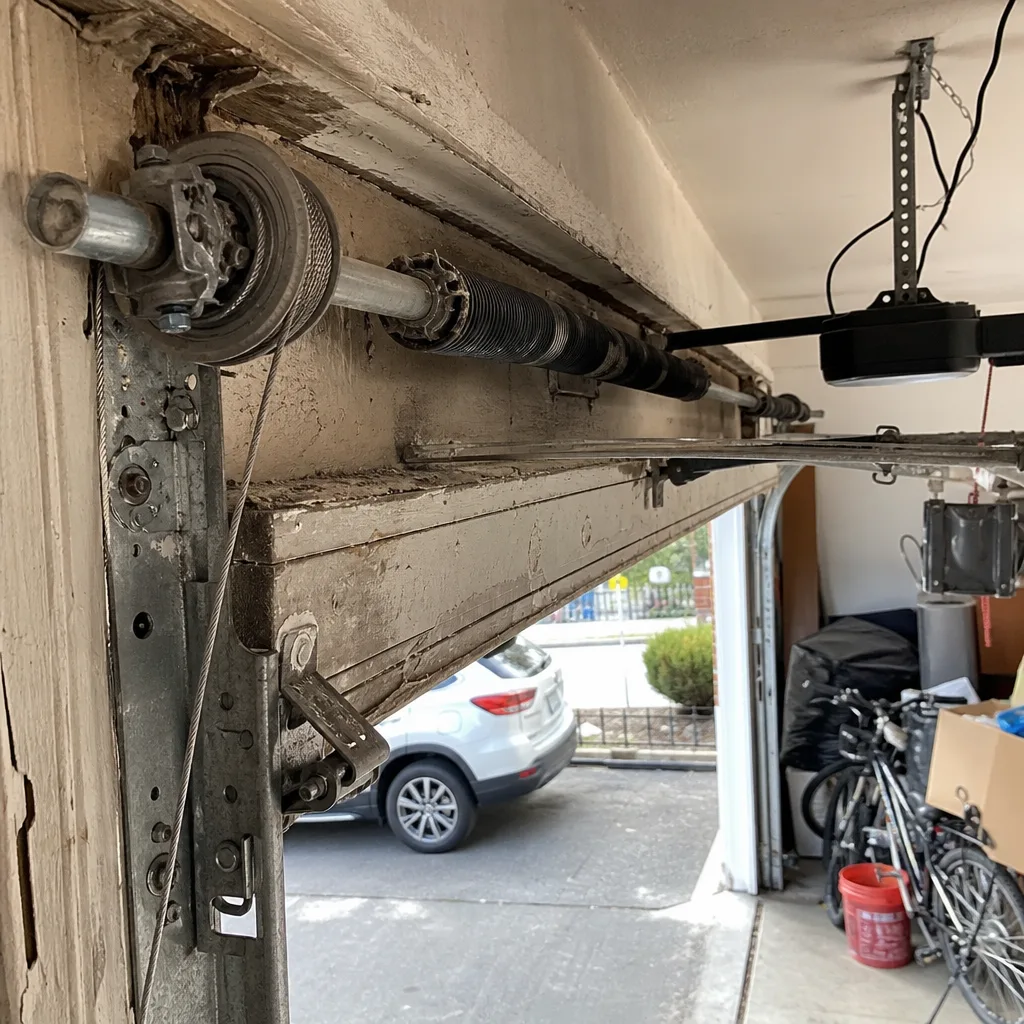 Before
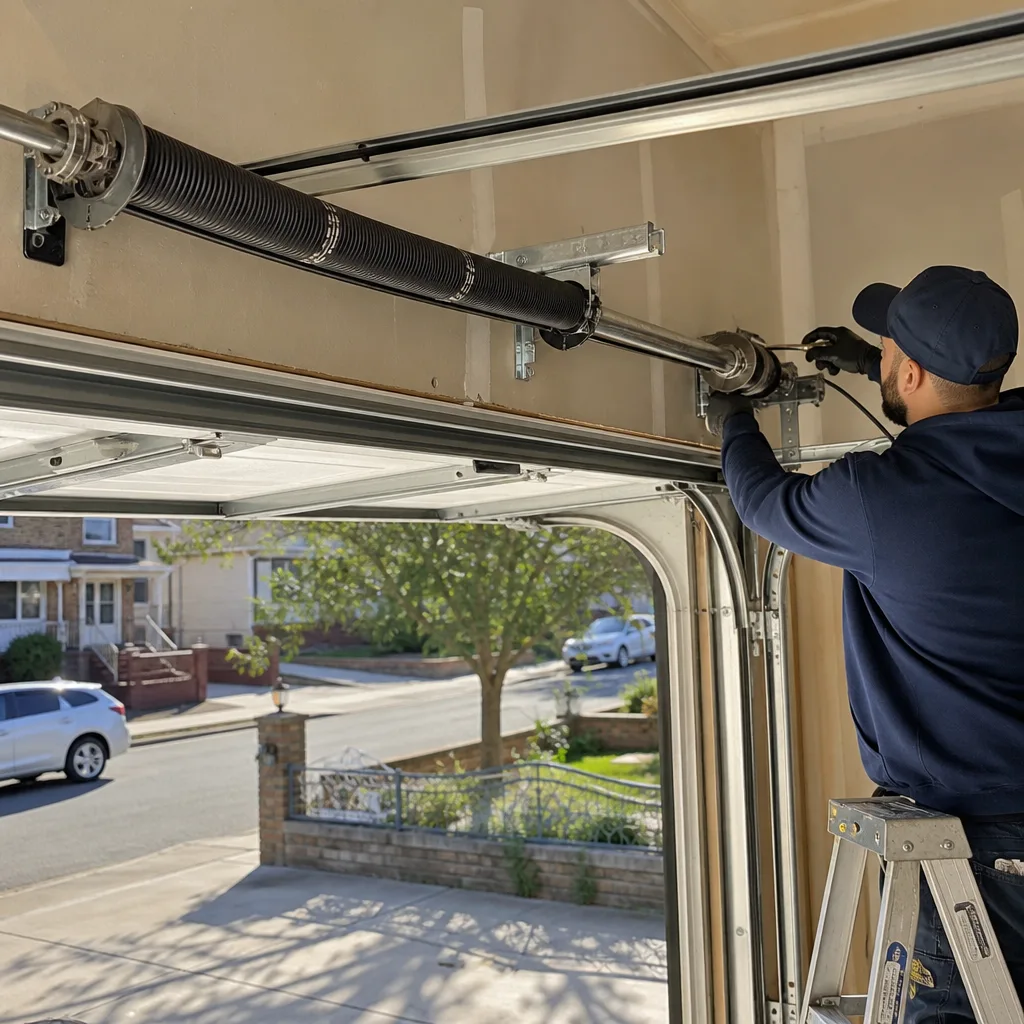 After
After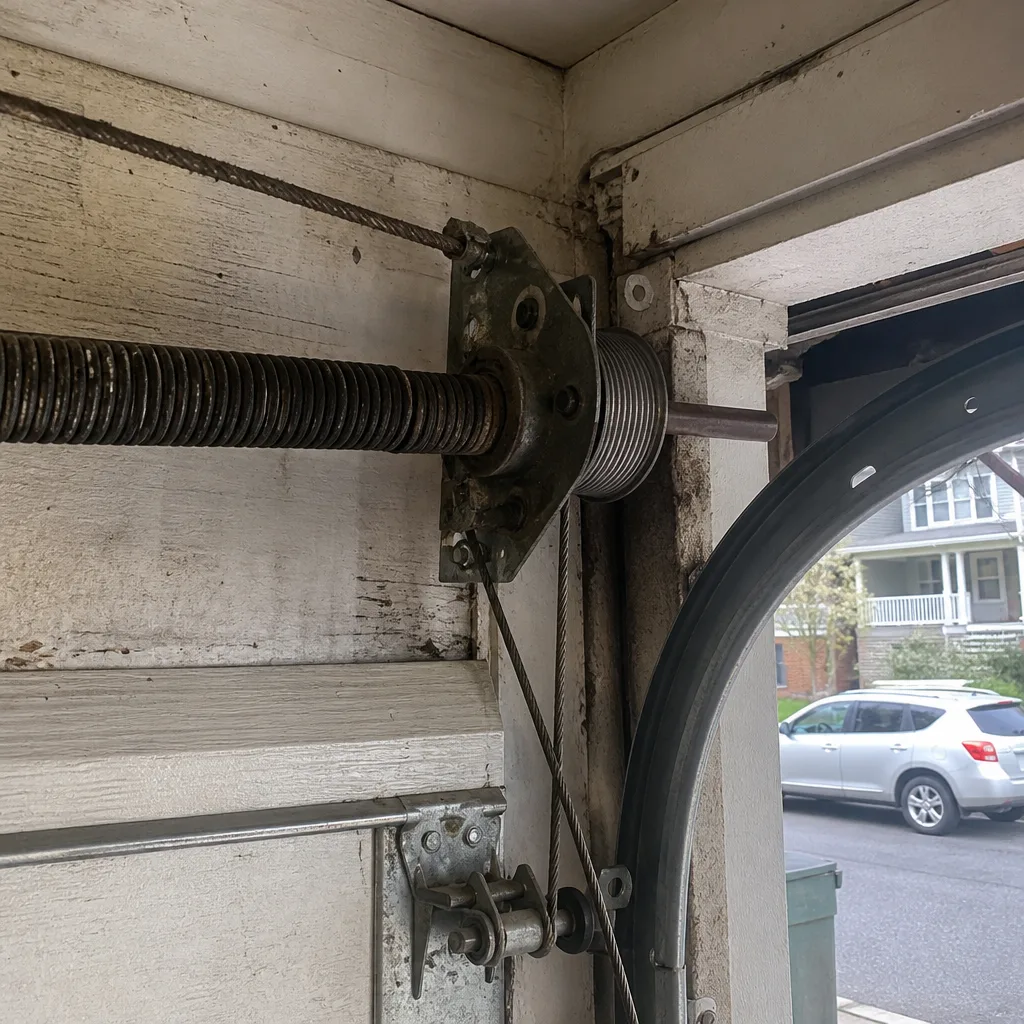 Before
 After
After Before
 After
After