
Last updated October 17, 2026
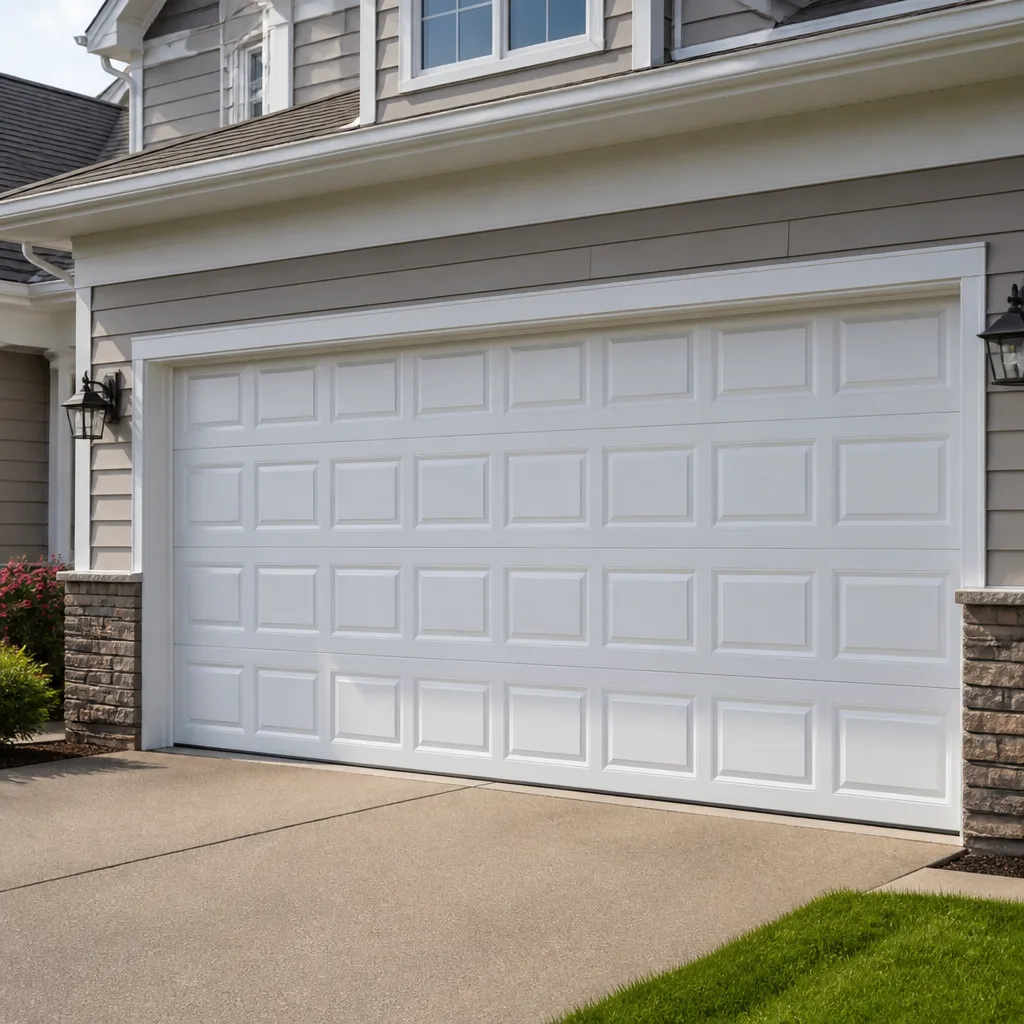 Raised-panel steel
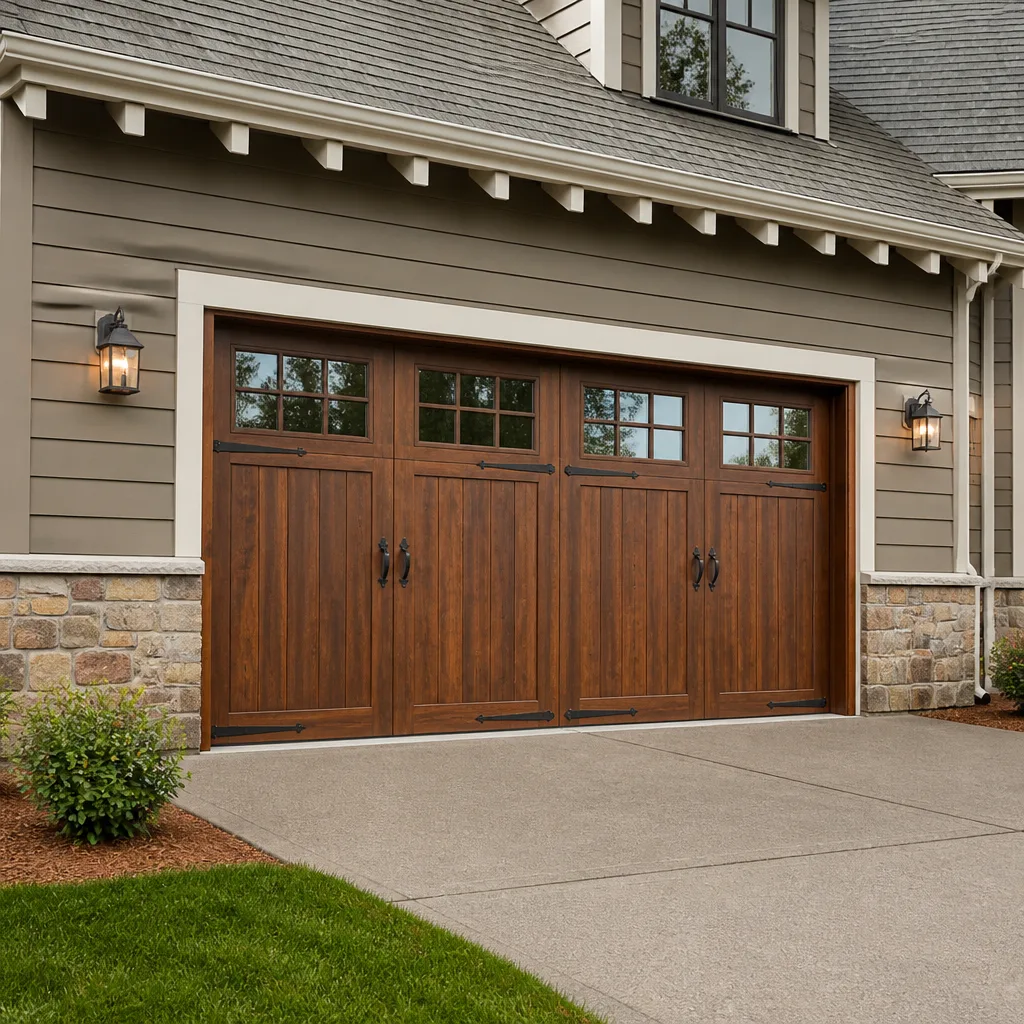 Carriage house
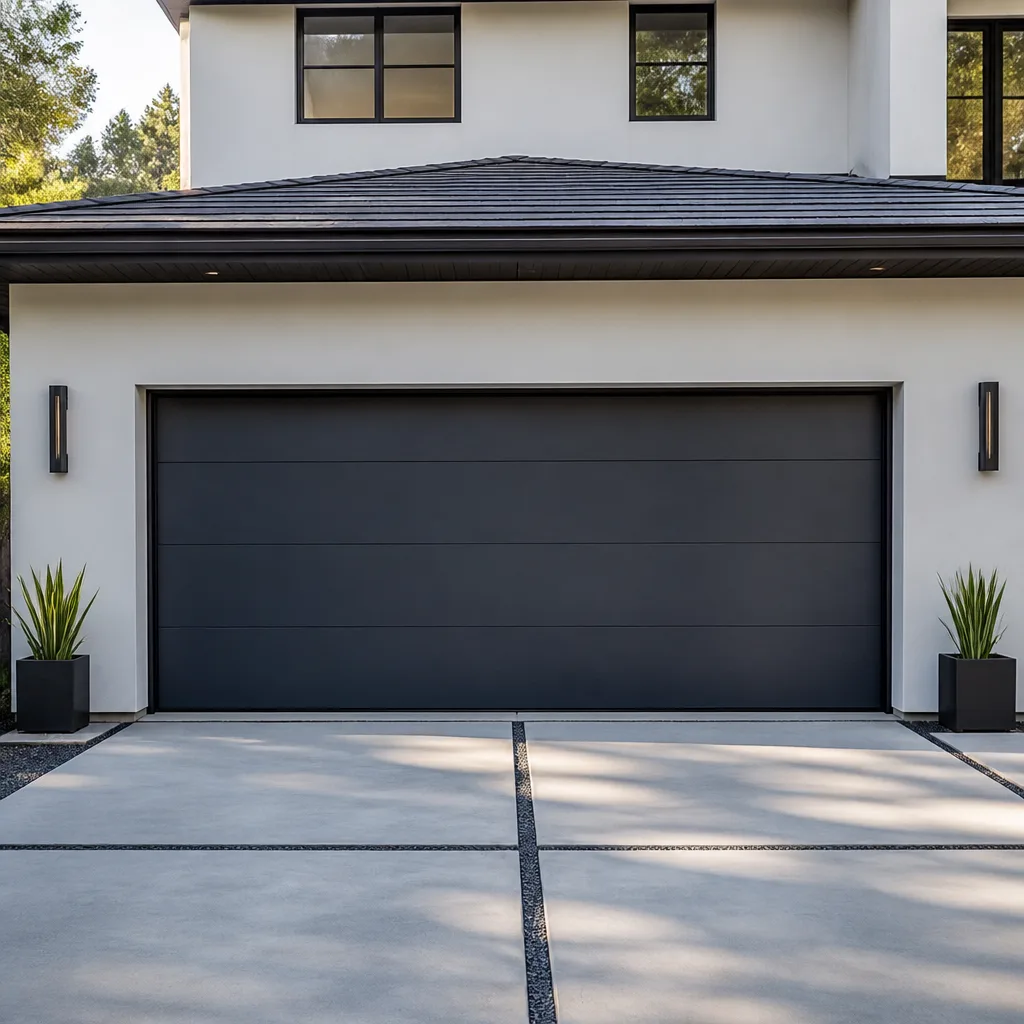 Modern flush
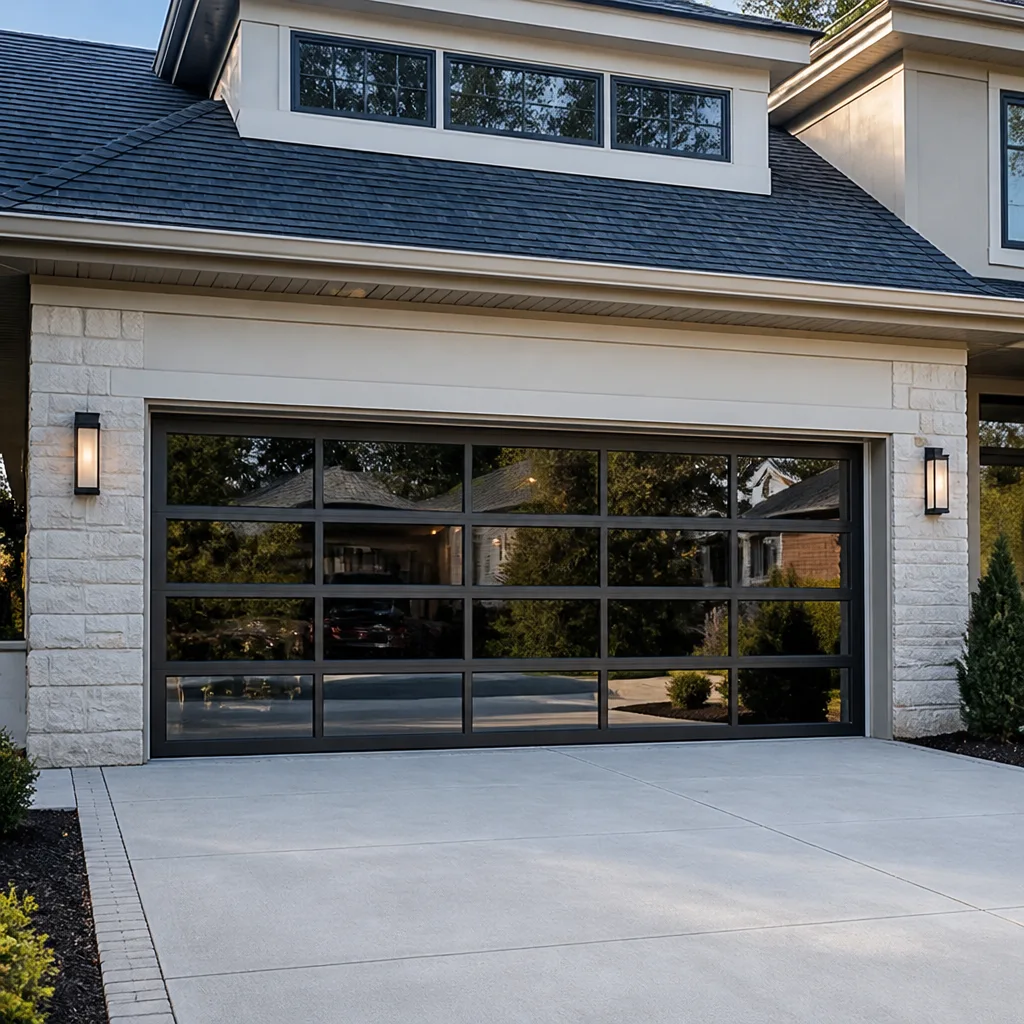 Full-view glass
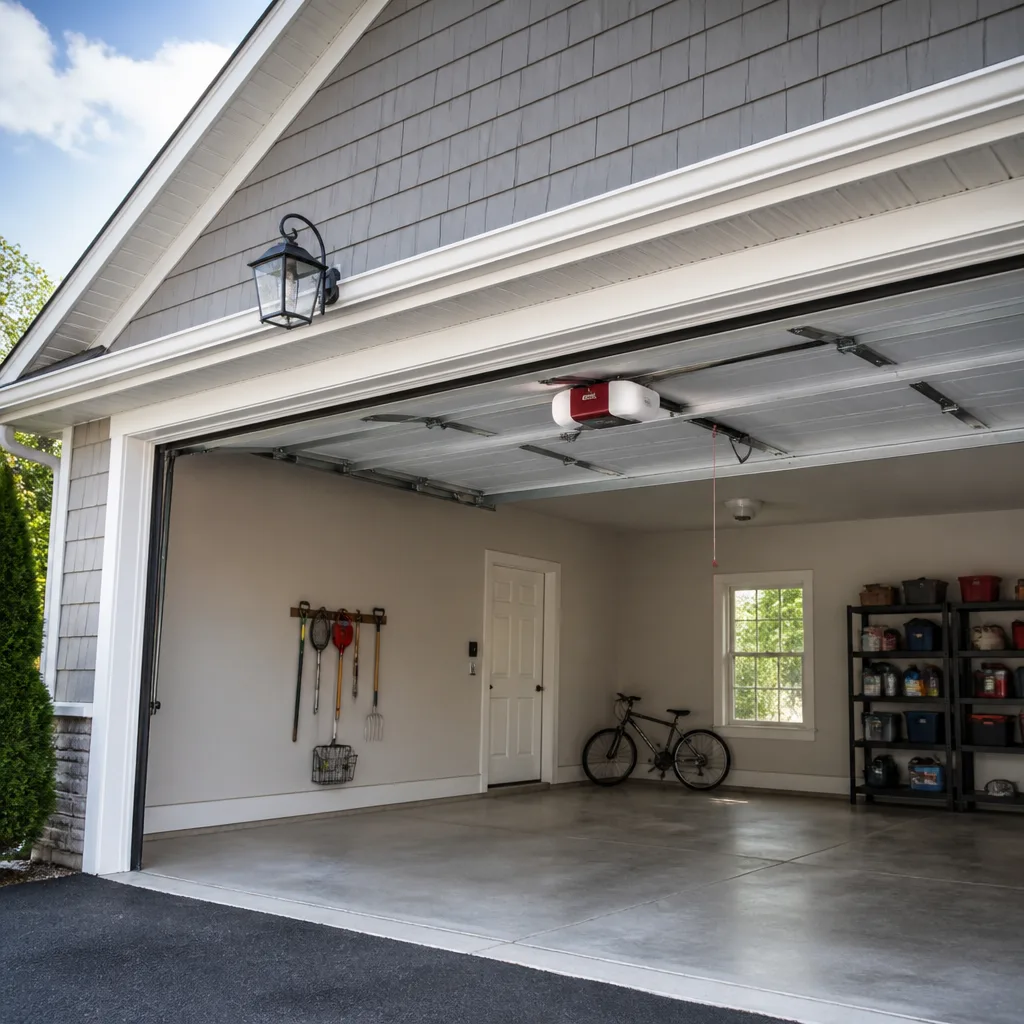 LiftMaster openers
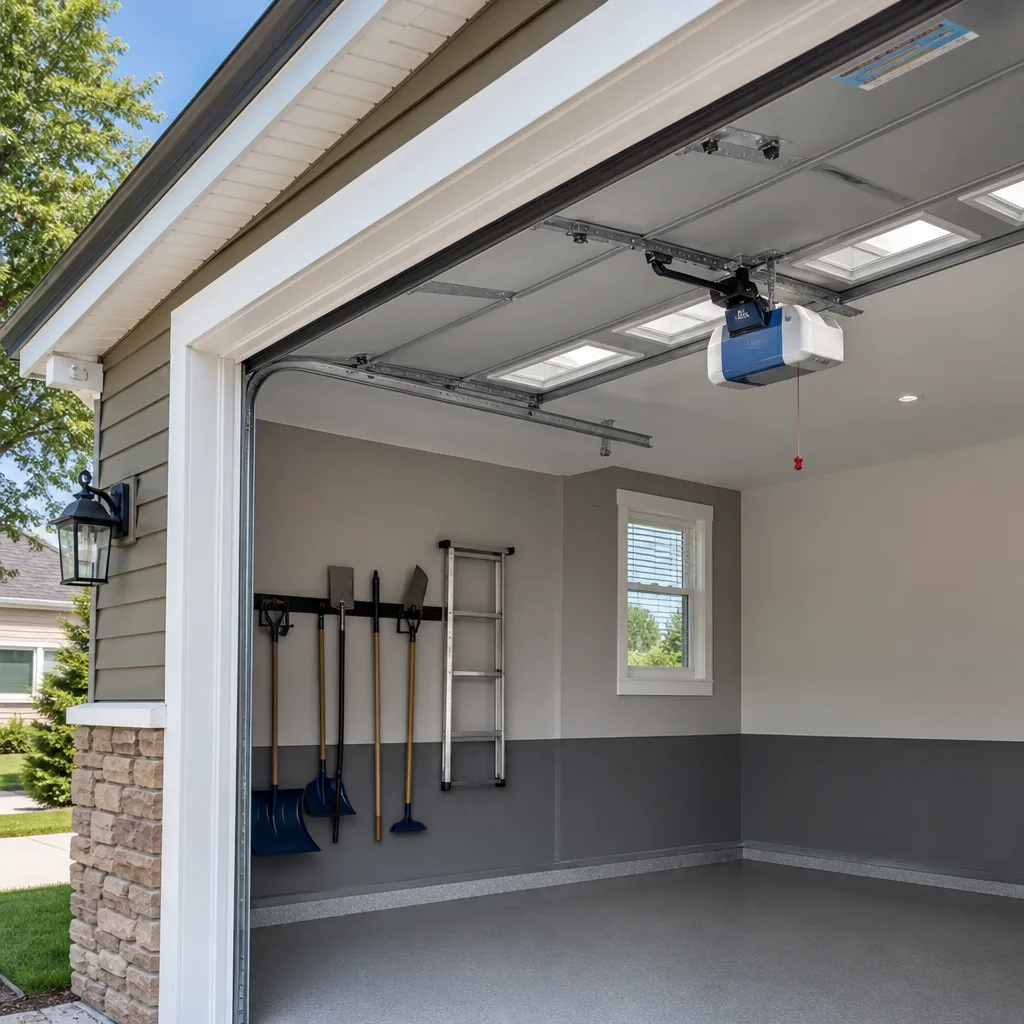 Chamberlain openers
Full 25-point door and opener safety check with every visit - springs, cables, rollers, tracks, and your LiftMaster or Chamberlain opener included
You get a price before we start. It does not change when the truck arrives.
Get your free estimateDIY vs Professional Garage Door: The Brooklyn Homeowner’s Decision Guide
Roughly 1,300 people land in emergency rooms each year from garage door spring injuries, and the number is not driven by carelessness or lack of intelligence. It is driven by physical context. Most instructional videos show repairs in a suburban two-car garage with a 10-foot ceiling and three feet of clearance above the spring. The average Brooklyn garage is a single-car space inside a row house, with the living room directly above it and a ceiling low enough to touch standing flat-footed. That changes everything about what a homeowner can safely attempt. This guide walks through the honest math of doing it yourself versus calling a professional in Brooklyn, with the physical dimensions of your specific garage treated as the deciding variable, not your handiness. For more guides & resources, see our blog.
Styles & brands we work with
Quick Answer
For most Brooklyn homeowners, the DIY-versus-professional decision comes down to one question: does your single-car garage give you at least 14 inches of clear working space directly above the torsion spring tube? Before starting any work, make sure you understand Garage Door Permits, Codes & Inspections in NY: What You Need to Know. If the answer is no, and in most Brooklyn row-house garages it is no, the safe and financially sensible route for spring and cable work is a professional. Four repairs remain genuinely safe for a careful DIYer: photo-eye alignment, bottom seal replacement, roller lubrication, and remote reprogramming.
Table of Contents
- The Physical Reality of a Brooklyn Garage
- The Space Checklist: What Each Repair Actually Requires
- The Four Repairs a Careful Homeowner Can Do
- The Two Repairs That Should Stay Professional
- The True Cost of a DIY Attempt That Goes Wrong
- How Attached Garages Change the Risk Calculation
- How to Describe Your Problem for an Accurate Phone Estimate
- Common Mistakes to Avoid
- When to Call a Professional
- Frequently Asked Questions
- The Bottom Line
The Physical Reality of a Brooklyn Garage
Brooklyn garages are not like the garages in repair manuals. They are narrower. The ceilings are lower. The walls are shared. When we walk into a garage in Park Slope or Bay Ridge or Bensonhurst, the first thing we notice is not the door. It is the geometry. A single-car garage built into a Brooklyn brownstone or limestone row house typically has a ceiling between 7 and 8 feet high. The torsion spring sits on a tube mounted just above the door opening, which leaves between 10 and 14 inches of workable space above the spring in most of these homes. The winding bars used to adjust a torsion spring are 18 inches long. They need room to swing in a half-circle arc while inserted fully into the winding cone. That is a hard physical requirement, not a skill threshold.
Then there is the side clearance. Many Brooklyn garages give a technician less than 8 inches between the door track and the side wall. Adjusting cables or replacing rollers in that space means working at an angle with limited leverage. Professional tools exist for these conditions. Homeowner-grade tools do not. The floor matters too. Brooklyn garage floors are often graded toward the street for drainage, which means a ladder set up inside may not sit level. None of this is impossible. But it is a circumstance where the home itself makes the decision about what is realistic.
The age of the building matters as well. A garage built into a 1920s row house has decades of settling. The door tracks may be slightly out of square compared to the opening. The spring may be a size that is no longer commonly stocked. These are normal conditions in Brooklyn, and they mean that the repair challenge is not just the part. It is the accumulated context around the part. For an overview of how these local conditions affect repair work specifically, see our Garage Door Repair in Brooklyn page.
The final structural consideration is what sits directly above the garage. In a detached suburban garage, the space over the door is often just roof and sky. In a Brooklyn row house, the space over the door is often a living room, a bedroom, or a kitchen. The garage door opening is the single largest movable object in the building envelope, and the spring that balances it is storing a significant amount of mechanical energy. Each time the door opens, that energy is under control. The moment a spring is being wound or unwound by hand, that energy is being managed by the person holding the winding bars. In a Brooklyn garage, the stakes of a mistake are shared with the family upstairs. That is a factor worth factoring.
The Space Checklist: What Each Repair Actually Requires
Before attempting anything on a garage door in Brooklyn, take measurements. Not of the door. Of the working space around it. Here is a practical checklist we use when training technicians, and it applies just as well to a homeowner evaluating a do-it-yourself job. You can also download our full Garage Door Repair Maintenance Checklist for Brooklyn Homeowners.
Minimum Space Requirements by Task
- Torsion spring replacement: 18 inches of clear ceiling height directly above the spring tube, 8 inches of side clearance on the winding cone side, and a stable, level standing surface. Winding bars are 18 inches long and must rotate in a full arc without hitting the ceiling. Most Brooklyn single-car garages have 10 to 14 inches. This job is rarely safe to attempt in-city.
- Cable replacement (under tension): 12 inches of side clearance along the full vertical track run, plus a second person for most configurations. Brooklyn side clearances are commonly under 8 inches. Cable work under tension in a tight garage is strenuous, and the cable itself can cut or whip if it releases.
- Bottom seal replacement: No special clearance needed. Performed at floor level with the door in the raised position. Safe for a careful DIYer in any garage.
- Photo-eye (safety sensor) alignment: No special clearance needed. Requires a screwdriver and about 20 minutes. Safe and realistic for most homeowners.
- Roller replacement (non-cable rollers): 6 inches of side clearance and a curved track to free the roller. Doable in some Brooklyn garages, not all. The bottom roller is attached to the cable bracket and should not be removed by a homeowner.
- Opener remote or keypad reprogramming: No physical access beyond the opener unit and the wall button. Safe for anyone who can follow the button sequence printed on the unit.
The list is blunt. If your garage does not meet the clearance for a given task, the question is not whether you are capable. The question is whether the space allows the work to be done safely with the tools you can buy at a hardware store. In a tight Brooklyn single-car garage, the answer is often simply no. That is not a knock on your abilities. It is a property of the building.
The Four Repairs a Careful Homeowner Can Do
There is a real and respectable place for DIY garage door work in Brooklyn. Four tasks in particular are well-suited to a homeowner who can follow instructions and work carefully. None of them involve the spring. None of them require touching a cable under tension. All of them can be done with basic tools in under an hour.
1. Photo-Eye Alignment
The photo-eyes are the small sensors mounted on each side of the door track, about 6 inches off the floor. When they misalign, the door will not close and the opener lights may blink. Start by gently wiping the lens on each sensor. Then loosen the wing nut holding the sensor bracket, adjust it until the small light on each unit stays steady, and retighten. This is a five-minute fix that costs nothing. Brooklyn garages with settled floors often knock the sensors out of alignment when heavy objects are moved.
2. Bottom Seal Replacement
The rubber seal along the bottom of the door keeps water out and pests from getting in. In Brooklyn, where heavy storms and street-level flooding happen, a degraded seal matters more than in drier climates. To replace it, open the door fully, pull the old seal from the retainer channel at the bottom of the door, and slide the new one in. Seals are sold by width and by shape, so check the profile of your old seal before ordering. Most homeowners can finish this in 30 minutes.
3. Roller Lubrication
Rollers with failing bearings get noisy. If your door has metal or nylon rollers that do not spin freely, applying a garage-door-specific lubricant to the roller bearings, hinges, and the torsion spring itself can quiet the operation. Use a lubricant designed for garage doors, not WD-40. Spray the roller bearing, not the track. The track should stay clean and dry. Lubricating the spring twice a year is a good habit and is safe as long as you do not touch the spring itself.
4. Remote and Keypad Reprogramming
Every opener has a learn button, usually on the back or side of the motor unit. Pressing it puts the opener into pairing mode, and then pressing the button on the remote or entering a new code on the keypad links it. The full steps differ by brand. Chamberlain and Genie both print the sequence directly on the opener housing. This is a 15-minute task that saves a service call and needs no physical clearance beyond a chair or step stool.
These four jobs represent the honest boundary of what we would suggest a friend try on their own in Brooklyn. They are low-risk, low-cost, and reversible. If you attempt one and it does not work, nothing has been made worse by trying.
The Two Repairs That Should Stay Professional
This is the section where we stop using the word “just.” Torsion spring replacement and cable replacement under tension are the two jobs that send DIYers to the emergency room. The danger is not exaggerated. The spring on a standard residential door in Brooklyn is wound to hold the full weight of a door that often weighs between 130 and 200 pounds. When that spring breaks, it does not fall gently. It releases stored energy in a fraction of a second.
Replacing a broken torsion spring means putting the new spring on the tube, then using two 18-inch steel winding bars to wind the spring to the correct number of quarter-turns. The tool must be inserted fully into the winding cone before each turn, and the hand holding it must be outside the arc of the bar at all times. The ceiling above a Brooklyn garage door is frequently close enough that the arc of the winding bar would hit it. If the bar slips or is knocked out of the cone by contact with the ceiling, the spring unwinds the stored turns instantly. No human hand can hold that. It is the single most dangerous minute in residential repair, and it happens in a space where a Brooklyn homeowner is often standing on a step stool with less than a foot of overhead room.
Cable work carries a different but equally serious risk. The cables on a garage door run under constant tension whenever the door is not fully closed with the spring doing its job. Removing or re-routing a cable in the wrong sequence can cause the cable drum to spin free, which can send the cable whipping across the garage. In a narrow Brooklyn garage, there is nowhere for a person to move. Our technicians use locking pliers and winding-bar techniques that keep the drum from rotating unexpectedly. We train on this work for months before sending anyone alone. The tension in the system does not care how handy you are. If you would like to understand what is involved in a spring repair done safely, our Garage Door Spring Repair in Brooklyn page explains the full process, including pricing.
The right way to think about these two repairs is not as a challenge that can be conquered with a better YouTube video. The right way is to recognize them as jobs where the cost of being wrong is a hospital visit or a destroyed door. In a Brooklyn garage with a family living above it, that cost is simply too high.
The True Cost of a DIY Attempt That Goes Wrong
The DIY-versus-professional comparison is almost always set up as a comparison between two clean outcomes: the cost of parts and a weekend afternoon versus the cost of a service call. For a detailed look at pricing, see our Garage Door Cost Breakdown: The Brooklyn Homeowner’s Reference for 2026. That is not how it plays out in reality. The real question is what happens when the attempt goes sideways, because the recovery cost is a Brooklyn homeowner’s actual financial exposure.
The most common failure is a misidentified part. Torsion springs are sold by wire gauge, inside diameter, length, and wind direction. Ordering the wrong one is easy, and it is not usually returnable after shipping. A homeowner might spend $80 on a spring, discover it does not fit, and then spend another $80 on the correct one. The professional call at that point costs the same as it would have before the first purchase. The DIY path has now cost more than the professional path would have.
The second common failure is damage caused during the attempt. A photo-eye bracket gets bent. A track gets pulled out of square. A cable gets crossed on the drum and the door jams halfway. These are fixable, but they now require straightening or replacing components that were fine before the job. The repair bill grows from a simple spring replacement to a spring replacement plus track adjustment plus cable re-routing. Some companies charge an additional fee to correct amateur work. We do not, but we do sometimes need extra time to undo a partial repair before starting fresh. Time is the billable unit in this trade.
The third cost is the one nobody prices into the spreadsheet: the lost evening, the injured hand, the damaged car. A garage door off its tracks can fall. A car parked underneath a door mid-repair is at risk. Even a minor slip with a winding bar can mean a broken thumb or a gash that needs stitches. The emergency room copay in Brooklyn for a non-preferred provider can run $200 to $500. That is before considering a missed day of work.
Here is the honest math. A professional spring replacement in Brooklyn typically runs between $180 and $340 including the spring and labor. The parts-only cost for the same spring is $60 to $90. The savings on a successful DIY is real. But the probability of success in a low-ceiling, tight-clearance Brooklyn garage is lower than the online videos suggest, and the downside of failure includes costs that easily exceed the original service call. The comparison is not skills versus skills. It is a controlled professional outcome versus an uncontrolled set of possible outcomes.
How Attached Garages Change the Risk Calculation
A detached garage is a box on a concrete pad. If something goes wrong with the door, the damage is contained to the garage itself. The rest of the home is untouched. That is the situation most repair videos film in, and it quietly shapes how the work is presented. The garage exists separate from the life of the home.
Most Brooklyn garages are not detached. They are built into the structure of the home itself. The garage is the first floor of the house, with bedrooms, kitchens, or living rooms directly above. The door is the largest moving part of the building. When a spring fails in a detached garage, it is a nuisance. When a spring fails in an attached Brooklyn garage, it can take the door off its tracks and send it crashing into the wall or the frame. The wall of the garage is often the wall of the home. The mechanical force travels into the structure.
That structural connection changes the risk calculation for even moderately risky DIY work. Replacing a cable in a detached garage where a slip means a welt on the arm and a broken cable is one thing. Replacing a cable in a Brooklyn row house garage where a slip can send a cable into a window, a wall, or a car parked inches from the track is another. The consequences scale with the proximity of people and property. In an attached garage, there is no clean failure mode.
It also changes the noise equation. Garage door work involves impact sounds: winding bars clicking into cones, drums shifting on the tube, track bolts being wrenched. In a detached garage, nobody upstairs hears it. In a Brooklyn attached home, the kids are napping directly above the work. Quiet tools and deliberate technique are not just a nicety. They are the difference between a repair that ends cleanly and a household disrupted for an afternoon.
There is also the question of dust and debris. Grinding, cutting, and even simple track repair can release metal filings, rust flakes, and old lubricant onto the floor. In a detached garage, that stays in the garage. In an attached Brooklyn home, the garage is frequently also the family entrance, the stroller parking area, and the place where shoes are stored. After any meaningful repair, the floor needs to be brought back to the state it was in. That is not just a customer-service preference. It is a baseline expectation in an attached home. We bring shoe covers, drop cloths, and a broom to every Brooklyn job because we know that where the garage floor ends, the living space begins. There is no hard line between them in a row house. For more on how we approach repairs in attached Brooklyn garages, see our Fernbrook Garage Doors Brooklyn home page.
How to Describe Your Problem for an Accurate Phone Estimate
One of the quieter reasons homeowners attempt DIY repairs is not to save money. It is to understand the problem well enough to avoid being overcharged. If you do not know what a torsion spring is or what a cable drum does, you cannot tell whether a quote is fair. So you reach for a wrench. The alternative is not to become a garage door expert. It is to learn the ten-word vocabulary that lets a professional give you a real number over the phone.
When you call a garage door company in Brooklyn, the person on the line is trying to diagnose from your description. The better your description, the more accurate the estimate, and the harder it is for any company to inflate the number. Here are the specific things to describe, in order.
- What happened just before the problem: Did the door open normally and then refuse to close? Did you hear a loud bang like a rod snapping? Did the door close crooked and then stop?
- Where the door is now: Is it fully closed, fully open, or stuck halfway? Halfway is the most dangerous position because the spring is holding partial tension.
- What happens when you try to open it: Does it move 6 inches and stop? Does the opener run but the door does not move? Does nothing happen at all?
- What you see on the hardware: Look at the spring above the door. Is it in two pieces with a gap in the middle? Is one of the cables hanging loose or frayed? Are there marks on the track where the rollers may have jumped?
- What you hear: A grinding sound when the door moves usually means rollers. A sharp snap that happened once and now the door will not move is the spring. A rattling that has been getting worse for weeks is usually hardware loosening.
That is the entire diagnostic vocabulary most calls need. You do not need to know what a torsion spring is. You need to know what you saw and heard. Professional companies in Brooklyn can work from that.
When you receive a quote, here is how to know if it is honest. The company should ask you the questions above. The company should give you a range for common repairs before sending a technician. The company should state clearly that the written price comes before any work begins. The company should not pressure you to make a decision on the call. A real quote is information. Pressure is a separate product.
We answer every call with a live person, 24 hours a day. When you describe what happened, we give you the pricing range for that repair before we schedule anything. You will know what a spring replacement costs before a technician arrives. You will know what a cable repair costs. The number is written down before work starts, and it does not change after the work begins. That is the standard a Brooklyn homeowner should expect from any company. It is the standard we hold ourselves to on every visit.
Common Mistakes to Avoid
- Attempting a torsion spring repair with too little ceiling clearance. The winding bars are 18 inches. If they hit the ceiling mid-turn, the spring can release. In most Brooklyn garages, the clearance is not there. Do not be the person who learns this the hard way.
- Replacing a part before confirming the measurement. Springs are not universal. Ordering by “it looks about right” is how homeowners end up with a second, correct part and an unpaid-for incorrect one. Measure first, then buy.
- Removing the bottom roller on a cable-attached bracket. The bottom roller is under tension from the cable. Removing it without releasing the spring is the most common cause of cable whiplash in DIY attempts. Do not touch it.
- Using WD-40 on garage door rollers or springs. It is a cleaner, not a lubricant for this application. Use a garage-door-specific silicone or lithium spray on bearings and the spring. Spraying the track causes gunk to build up and the rollers to drag.
- Diagnosing the problem by description instead of inspection. “The door is noisy” could be rollers, a loose hinge, a failing opener gear, or a spring that needs lubricant. Replacing the wrong component costs money and does not fix the root issue.
- Leaving a door stuck halfway open while waiting for parts. A door in the halfway position is holding partial spring tension. If the spring is damaged, the door can fall. Close it fully if possible, or disconnect the opener and call a professional if it will not budge.
- Trusting a quote that is given without any questions asked. A company that quotes a spring replacement without asking what happened, what you saw, or where the door is now is not diagnosing anything. They are giving you a generic number that will change once a technician arrives.
When to Call a Professional
Call when the spring is broken. Call when a cable is frayed or hanging. Call when the door is stuck halfway and will not close. Call when the door has come off its track and is leaning against the wall or a car. These are not situations where patience and a YouTube tutorial will solve the problem. They are situations where the stored energy in the system is the problem, and the only safe route is to release it properly.
Call when the timeline matters. A garage door that will not close in Brooklyn is a security issue, not just an inconvenience. It leaves the ground floor of your home open to the street. The live person who answers our phone can often schedule same-day service for these situations. Fernbrook Garage Doors Brooklyn offers free estimates in Brooklyn. Call (845) 610-0375 and describe what you are seeing. We will give you a straight answer and a written price before any work begins.
Frequently Asked Questions
Garage door spring replacement in Brooklyn typically costs between $180 and $340 including the new spring and labor. The price varies by spring size, wire gauge, and whether one spring or two need replacement. Call (845) 610-0375 and describe what happened for an exact quote. Estimates are free, and the written price is delivered before work begins.
You can, but in most Brooklyn garages you should not, because the ceiling clearance above the spring is too low to swing 18-inch winding bars safely. A torsion spring under tension can cause serious hand and arm injuries if the bar slips. This is the one repair where the space itself, not your skill, is usually the disqualifying factor.
Photo-eye alignment, bottom seal replacement, roller lubrication, and remote or keypad reprogramming are the four repairs we consider safe for a careful homeowner. None involve the spring or cables, and none require special clearance. If you are uncertain about any of them, a phone call with a description of the problem costs nothing.
Look at the spring mounted on the tube above the door. If you see a visible gap in the middle where the spring is now in two pieces, the spring is broken. A loud bang from the garage followed by the door refusing to open is the most common confirmation. A broken spring means the opener is now trying to lift the full weight of the door alone, which it is not built to do. Do not keep pressing the button.
It should not, and at Fernbrook it does not. The quote is written down before any work begins, and you approve the number before the technician starts. If additional unrelated issues are found during the repair, those are quoted separately and require your approval first. The price for the work you authorize does not change mid-job.
Yes, and the attached row house is the most common garage configuration we work in across Brooklyn. We plan for low ceilings, narrow side clearances, and living space above the garage. Technicians arrive with shoe covers and drop cloths for inside the home, and we send a photo of the clean-up before leaving. The tight space is not a complication for our crews. It is the normal working condition in this borough.
The Bottom Line
The DIY-versus-professional garage door decision in Brooklyn is less about how handy you are and more about the physical room your garage provides. Four low-risk tasks are genuinely appropriate for a homeowner: aligning photo-eyes, replacing a bottom seal, lubricating rollers, and reprogramming a remote. Two tasks should remain professional without exception: torsion spring replacement and cable work under tension. The math on a botched DIY attempt rarely favors the homeowner, especially in an attached row house where the stakes include the family upstairs and the living space at ground level. Know your measurements, know your limits, and when the job calls for it, call (845) 610-0375. A live person answers, and the written price comes before any work starts.
Written by Jesse Calder, Owner at Fernbrook Garage Doors Brooklyn, serving Brooklyn since 2002.
See the difference
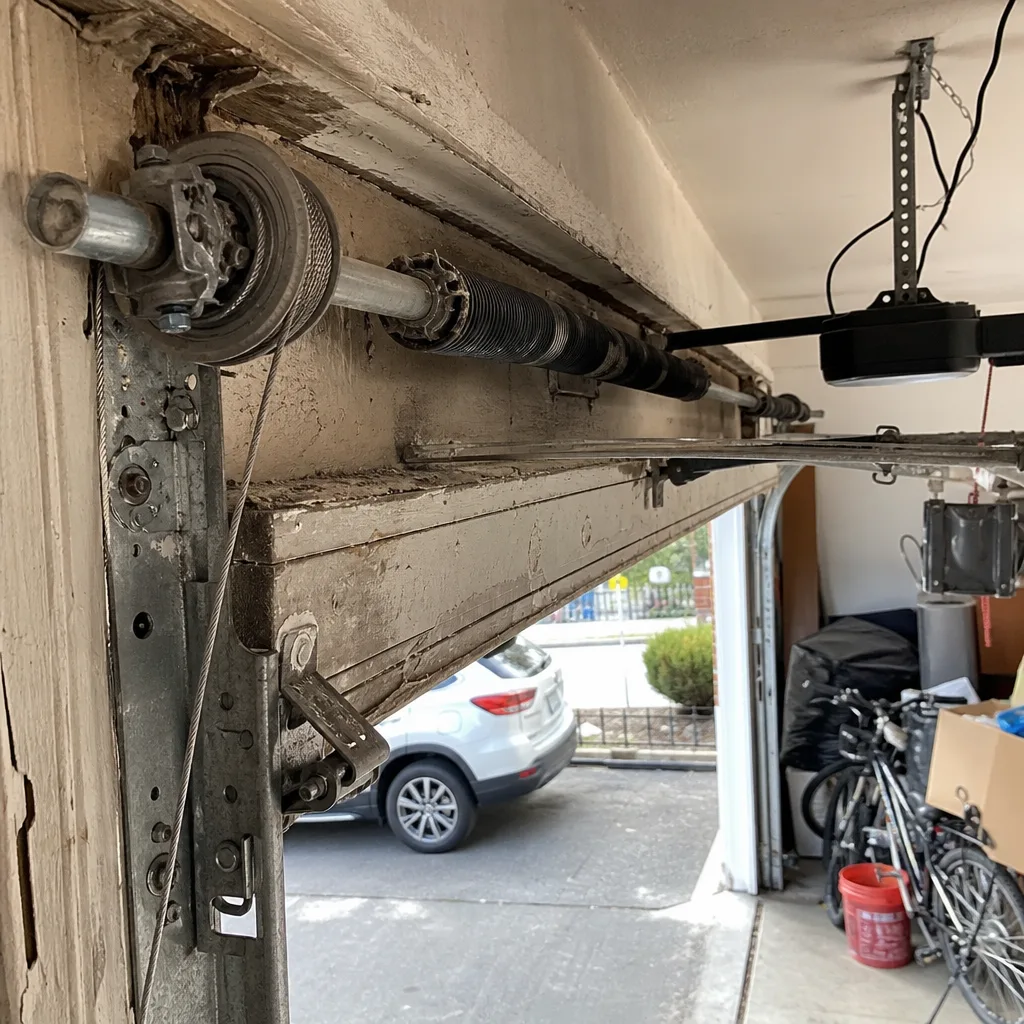 Before
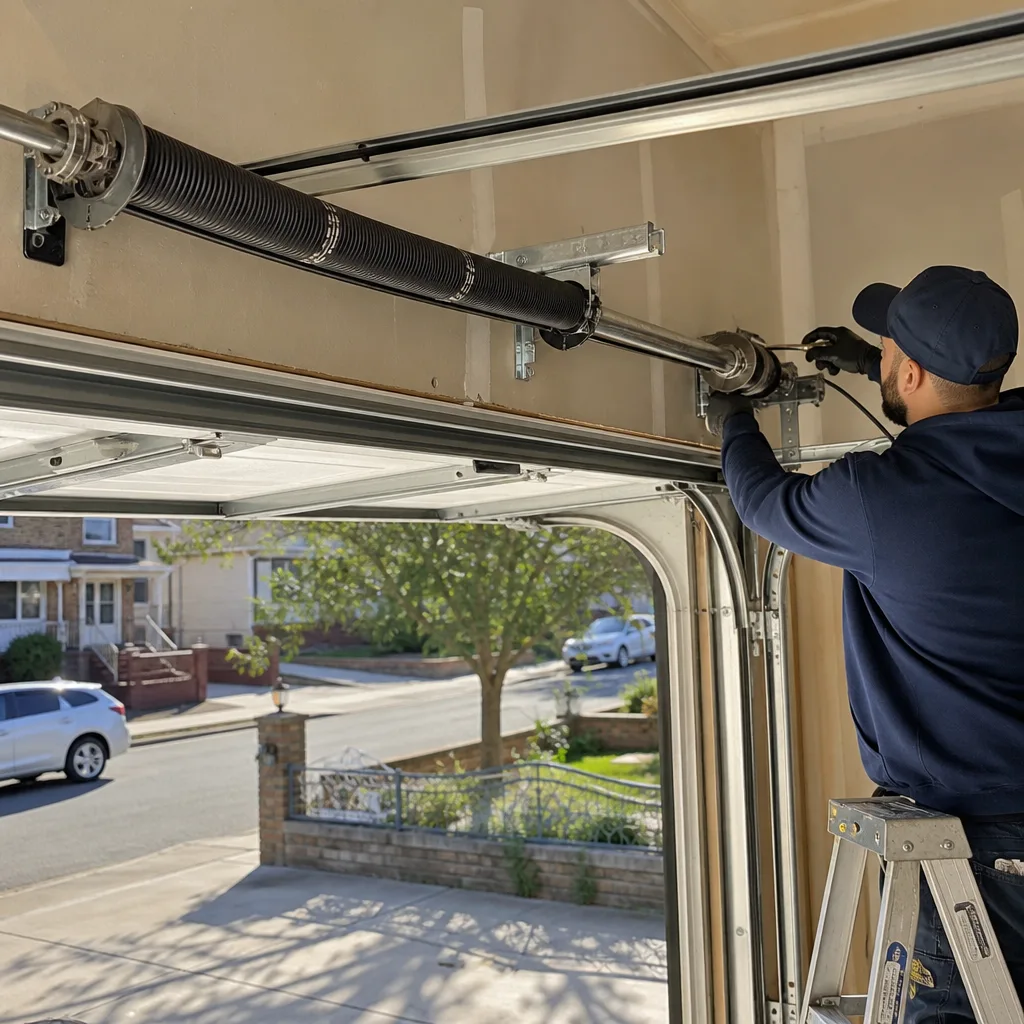 After
After Before
 After
After Before
 After
After