
Last updated October 17, 2026
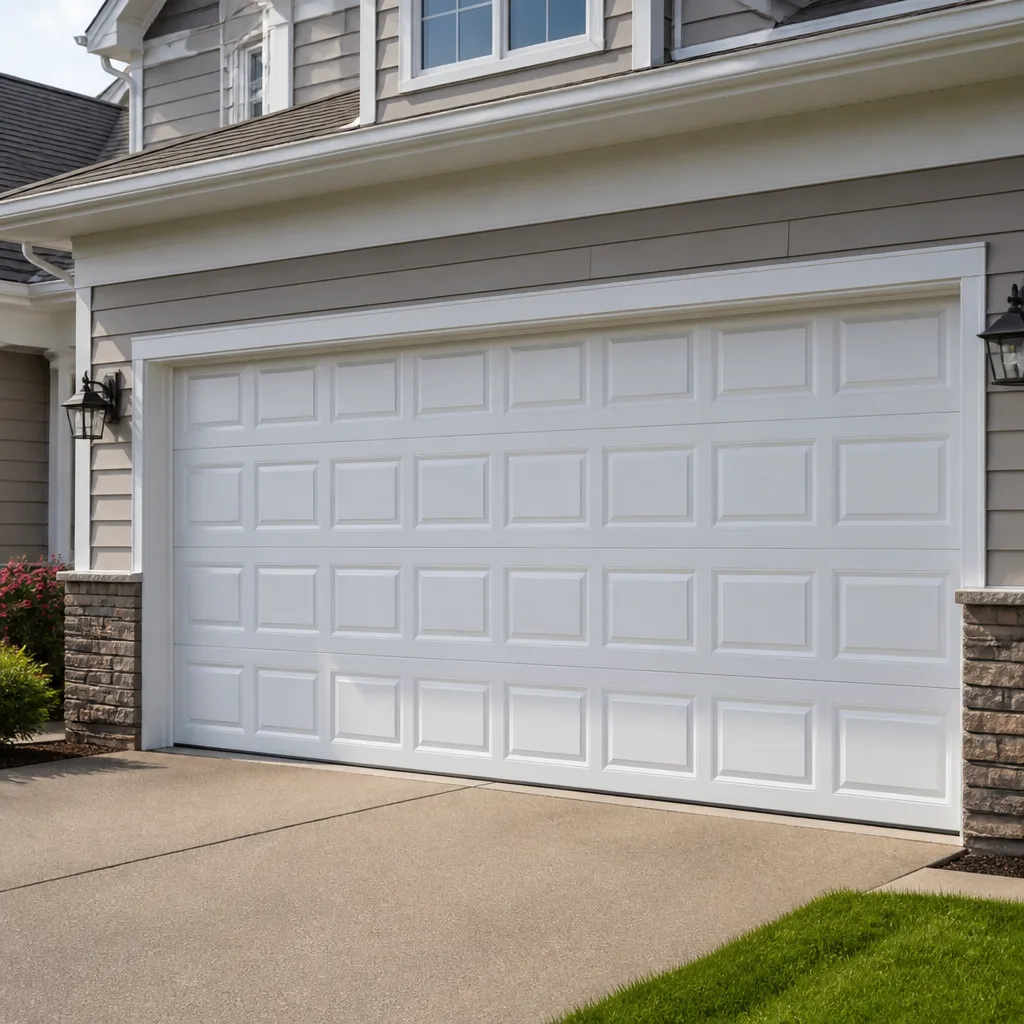 Raised-panel steel
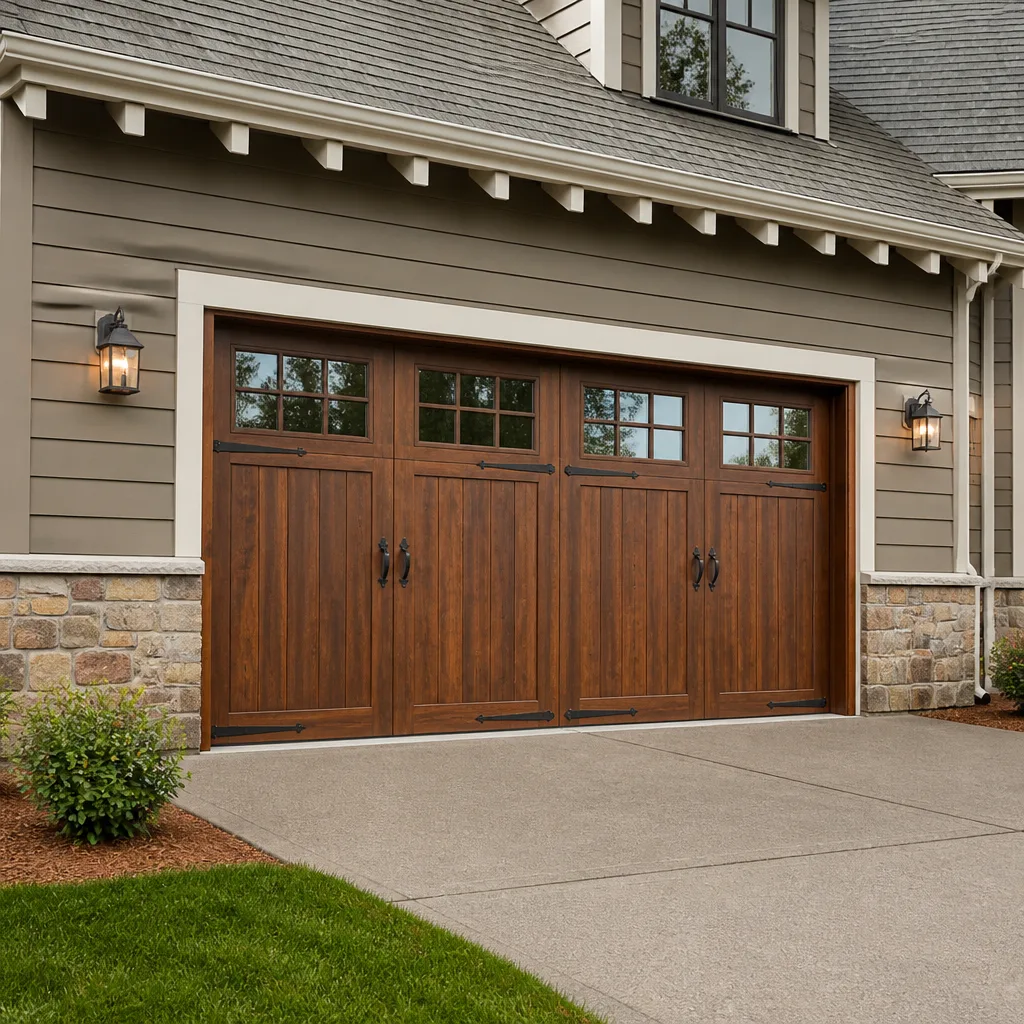 Carriage house
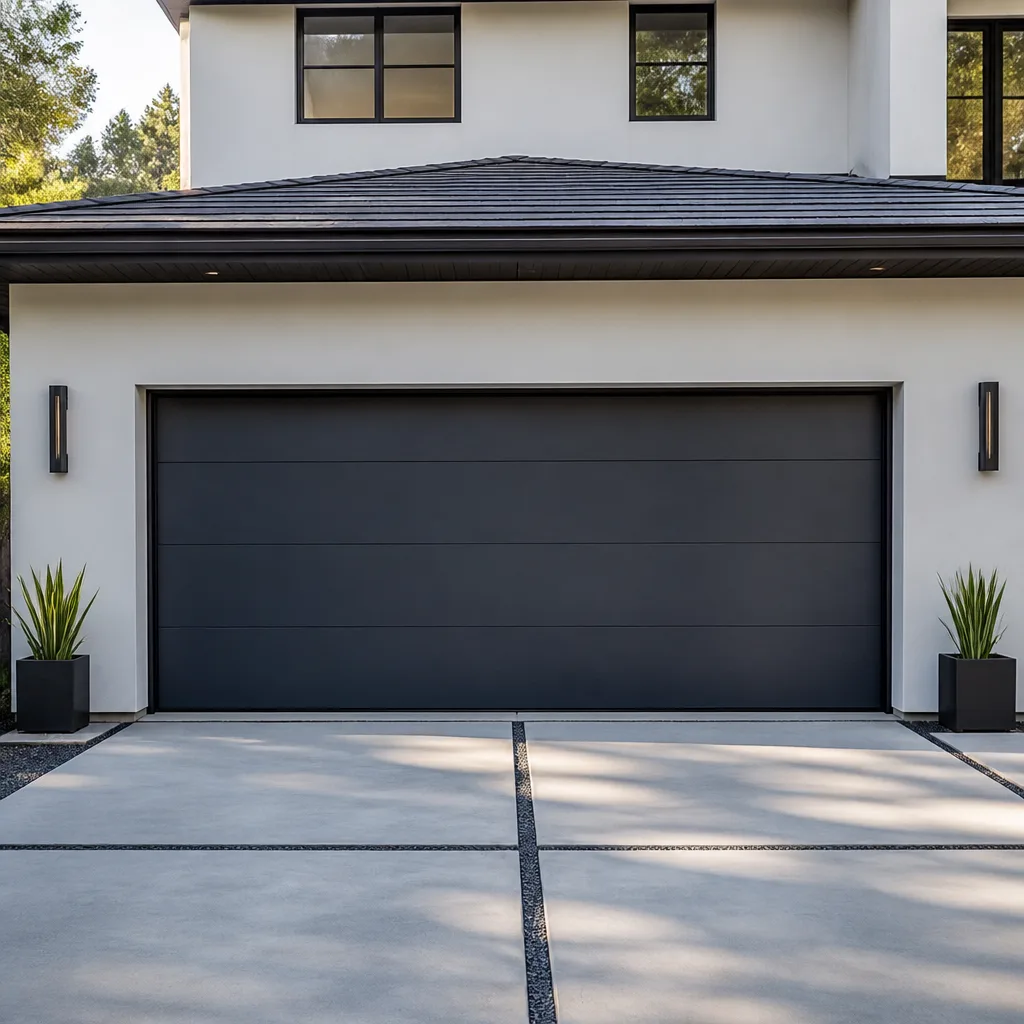 Modern flush
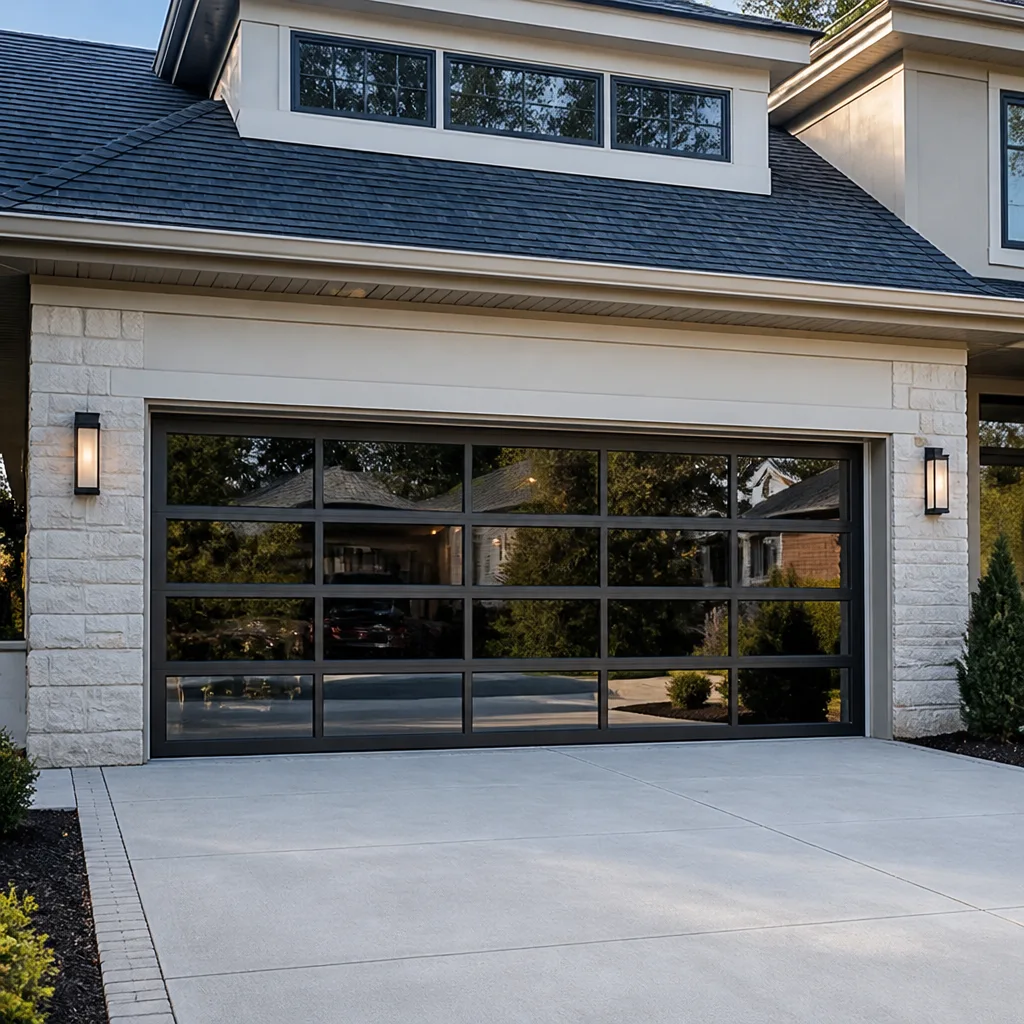 Full-view glass
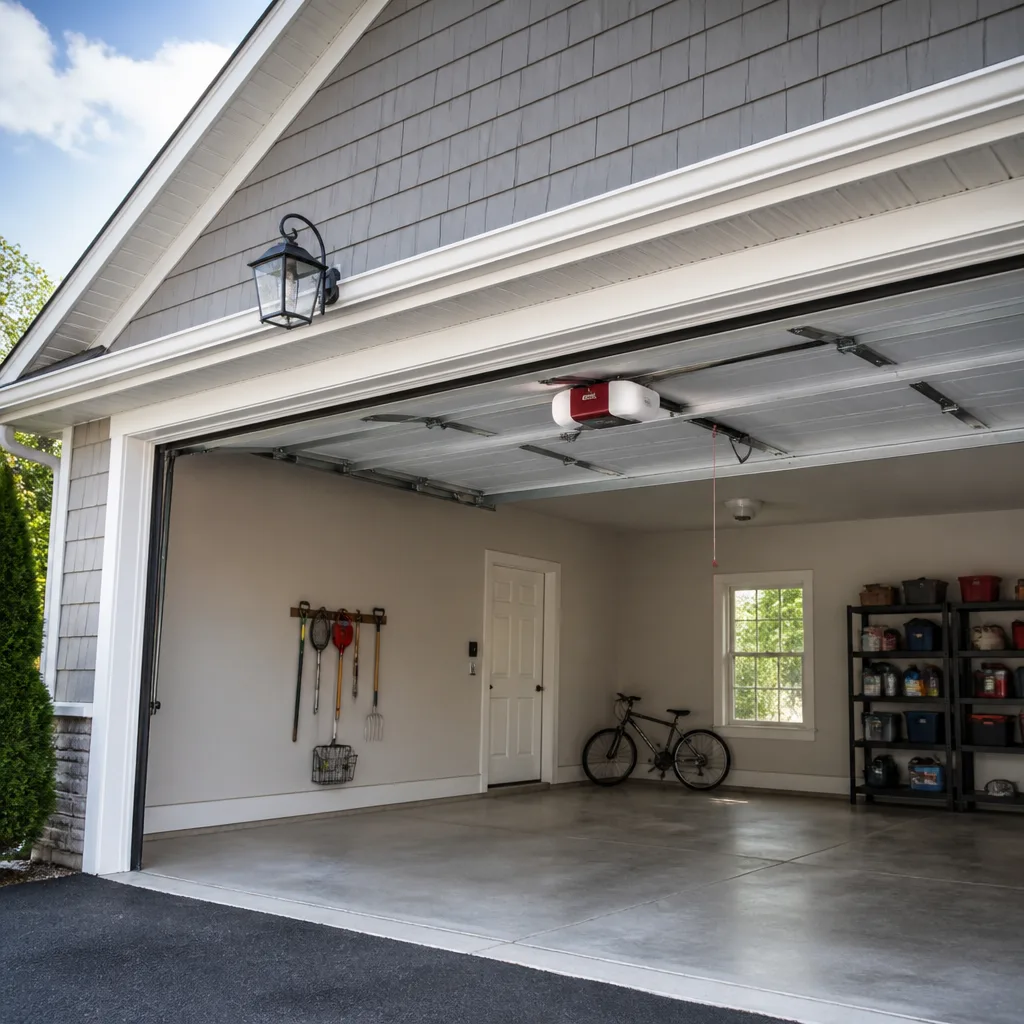 LiftMaster openers
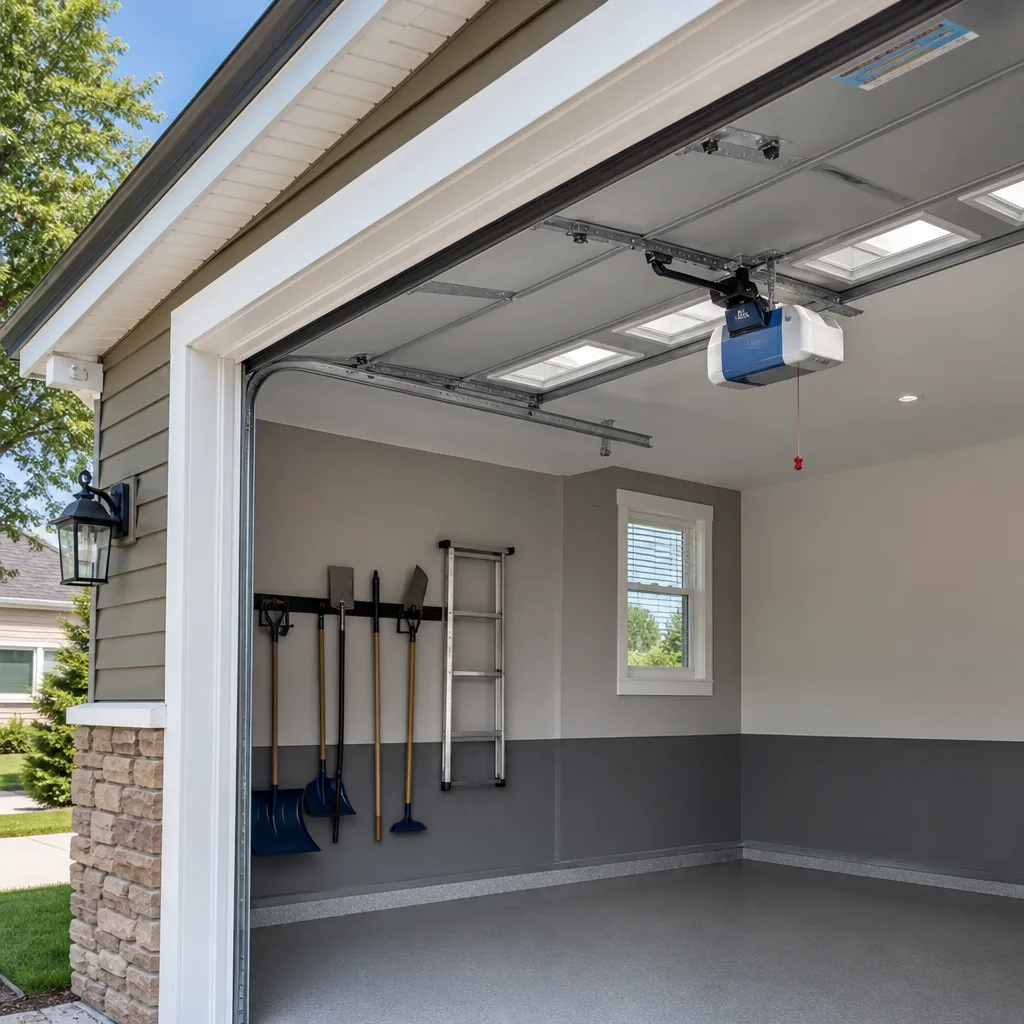 Chamberlain openers
Full 25-point door and opener safety check with every visit - springs, cables, rollers, tracks, and your LiftMaster or Chamberlain opener included
You get a price before we start. It does not change when the truck arrives.
Get your free estimateGarage Door Permits, Codes & Inspections in NY: What You Need to Know
Most Brooklyn homeowners assume a garage door replacement is like swapping out an appliance – buy it, install it, done. That assumption goes wrong when the work touches the opening itself. A buyer’s attorney who pulls DOB records and finds an unpermitted header modification can hold up your closing date, sometimes by weeks, and the cost to remediate lands on you, not the contractor who told you permits weren’t necessary. This guide explains exactly when New York City requires a permit for garage door work, how to check your property’s records yourself, and how to protect your family from the cleanup that follows a bad filing decision. For garage door warning signs every Brooklyn homeowner should watch for, see our dedicated reference guide. We’re writing this from what our technicians see across Brooklyn – from Park Slope rowhouses to Bensonhurst attached garages to the large two-car openings in Mill Basin.
Styles & brands we work with
Quick Answer
In New York City, a like-for-like garage door replacement – same size, same opening, no structural changes – typically does not require a DOB permit. But if the work modifies the rough opening, replaces or alters the header above the door, or changes the structural lintel, an Alt-2 application with the NYC Department of Buildings is legally required. Skipping that permit can surface years later as a violation during a sale, refinance, or insurance inspection.
Table of Contents
- When a Garage Door Permit Is Required in NYC
- Like-for-Like Replacement vs. Structural Modification
- How to Search DOB Records for Your Property
- Your Legal Exposure if Work Was Never Permitted
- How to Ask a Contractor to Include Permits in Writing
- What Permit Filing Costs and How Long It Takes in Brooklyn
- Common Mistakes to Avoid
- When to Call a Professional
- Frequently Asked Questions
- The Bottom Line
When a Garage Door Permit Is Required in NYC
New York City building permits are governed by the NYC Department of Buildings, and garage door work falls under the same Alt-2 rules that apply to most renovations. The question that matters is not “is this a garage door?” but “does this job change the structure of the opening?” A garage door that bolts into the existing framing, uses the same track positions, and leaves the header and jambs untouched is a maintenance replacement. A garage door job that widens the opening, raises the header to fit a taller door, or cuts into masonry to change the rough opening is a structural modification – and that is where the permit requirement kicks in.
We’ve seen this play out in Brooklyn repeatedly. A homeowner in Bay Ridge wants a taller door for an SUV. The contractor says the header needs to move up about six inches. The contractor quotes a price that does not include a DOB filing. The homeowner says yes because the price looks reasonable. Six years later, the house goes under contract, and the buyer’s attorney finds no permit for the work. The seller now pays to legalize it – inspection, filing fees, possible civil penalties – or the deal stalls.
A permit is not optional for this type of work, and it is not a formality. The DOB requires that the Alt-2 application be filed by a registered design professional – a licensed architect or engineer – who certifies the structural drawings. The permit then triggers an inspection. The inspector verifies the work matches the approved plans. This process exists because a compromised garage door header puts the front wall of the home at risk, and in a city where garage ceilings often sit directly below occupied bedrooms, that risk is not theoretical.
For homeowners in Brooklyn’s attached and semi-attached housing stock, there’s an additional layer. Many garage structures share a party wall with the neighbor’s garage. If the work touches that shared wall – even the fastening pattern or the mounting plate configuration – the permit process may require a neighbor notification or a party wall agreement. This is not a reason to avoid the permit. It’s a reason the filing needs to happen before work begins, because discovering a party wall issue after the door is hung is dramatically more expensive to fix.
Like-for-Like Replacement vs. Structural Modification
The practical difference between work that needs a permit and work that doesn’t comes down to four questions. We use these when a homeowner in Brooklyn calls and asks whether their job requires filing.
- Does the new door have the same width and height as the old one? If yes, and you’re not changing the opening, the job is a like-for-like replacement. If the new door is wider by more than a few inches or taller by any meaningful amount, the rough opening changes – and that’s structural work.
- Is the existing header above the door staying in place? The header carries the load of the wall above the garage opening. In a two-story Brooklyn rowhouse, that load can include a bedroom, a bathroom, and part of the roof. If the header stays, no permit concern. If it moves, gets replaced, or gets modified, permit required.
- Are you cutting into masonry, concrete, or framing to widen the opening? This is the clearest trigger. A saw cutting through a brick wall in a Carroll Gardens garage is unambiguously structural work. No gray area.
- Is the track system mounted in the same position as the old system? If the new door uses side-mounted openers when the old one was ceiling-mounted, or if the tracks need different anchor points that require new framing, that can cross into permit territory depending on how much framing work is involved.
Plain language: if the new door fits into the hole the old door came out of, you almost certainly don’t need a permit. If you have to change the hole, you do. In our experience installing garage doors across Brooklyn, roughly 85 to 90 percent of replacements are true like-for-like jobs. The remaining 10 to 15 percent – wider doors, taller doors, modernizing an old carriage-house opening, converting a single to a double – need a DOB filing and should be priced accordingly.
One more point that gets missed: age of the home matters. Brooklyn garage structures built before the 1960s sometimes have undersized headers by modern code standards. A homeowner replacing a like-for-like door in a 1940s brick garage might discover during removal that the header was never adequate. When that happens, the job crosses from replacement into structural remediation. A good installer will flag this before the door comes down, not after the wall is exposed. Fernbrook technicians are trained on the practical differences here – we inspect the rough opening before we order the replacement door so there are no surprises when the old one comes off.
For homeowners who simply need a working door again, start with our Garage Door Repair in Brooklyn page. If the door never worked well or you’re upgrading size, see Garage Door Installation in Brooklyn for what the replacement process looks like from start to finish.
How to Search DOB Records for Your Property
The NYC Department of Buildings maintains a public database called BIS – Building Information System – where any homeowner can look up the permit history, violations, and complaints for their address. This search takes about ten minutes, and it answers the question every buyer’s attorney will eventually ask: what has been filed on this property, and does the record match what’s actually there?
Here are the steps to run this check on your own home in Brooklyn:
- Go to the NYC DOB website and select “BIS” from the building information search options.
- Enter your house number and street name. Brooklyn addresses work with the standard street name – no borough code needed for the basic search.
- Scroll to the “Actions” or “Permits” section. This shows every DOB filing tied to the property, including Alt-2 applications, electrical permits, and plumbing filings.
- Look for any entry that references “garage,” “structural modification,” or a filing date that corresponds with when you know garage work was done. If you bought the home recently, cross-reference the disclosure statement from your closing against the BIS record.
- Open any violation or complaint entries and read the disposition. An “open” violation tied to garage work is a live issue. “Resolved” or “dismissed” means it was addressed.
If you find a permit for garage door work, the record will typically show the filing type, the date, the name of the professional who filed it, and the inspection outcome. If you find no permit and you know structural work was done – perhaps the previous owner mentioned widening the garage or installing a taller door – that’s a signal to get an assessment before you list the home or refinance.
There’s also a second system called DOB NOW, which handles newer filings. Most garage door subwork today gets filed through DOB NOW rather than BIS. Check both. The search is free, the account setup takes a couple of minutes, and the information belongs to you as the property owner. We walk Brooklyn homeowners through this resource regularly because it is the fastest way to know where you stand before any transaction begins.
Your Legal Exposure if Work Was Never Permitted
The risk from unpermitted garage door work does not show up the day after installation. It shows up during the moments when other people review your property – a sale, a refinance, an insurance claim, a home equity line. At each of those points, someone checks the records.
During a home sale in Brooklyn, the buyer’s attorney typically orders a title search and reviews DOB records. If they find a structural job – like a widened garage opening or a modified header – with no corresponding permit, they will raise it. The negotiating power sits with the buyer. The seller can either legalize the work, which means hiring an architect or engineer to file retroactively, paying expeditor fees, coordinating an inspection, and possibly paying civil penalties – or reduce the sale price to account for the buyer’s cost to do the same. Either path is more expensive than the original permit would have been.
During a refinance, the lender’s appraisal may flag the garage modification if it’s visible and appears unpermitted. Underwriters sometimes condition the loan on resolving the open issue. That means the refinance stalls or dies.
If a home insurance claim touches the garage area – storm damage, a vehicle striking the door and wall, a fire – the adjuster will often check permit records. Unpermitted structural work can become a reason to deny a claim or reduce a payout. The logic is blunt: work that was never inspected is work the insurer didn’t agree to cover.
There’s also a safety reality underneath the paperwork. A header that was moved without an engineer’s sign-off might have been done correctly by a skilled contractor. It also might not have been. The only person who can certify the load path is a licensed professional. In a Brooklyn attached home, if that header fails, the damage is not limited to the garage – it travels into the structure above. Jesse Calder, owner at Fernbrook Garage Doors Brooklyn, has seen what happens when a weekend installer cuts a header without a plan: cracked drywall, sagging ceilings, and a repair bill that dwarfs the original door cost. The permit is not bureaucracy for its own sake. It’s the mechanism that forces a structural review before the work becomes your problem.
How to Ask a Contractor to Include Permits in Writing
Not every contractor in Brooklyn will volunteer that your job needs a permit. Some don’t know the DOB rules well enough to make the call. Some know and prefer not to bring it up, because permits add time, cost, and inspection scheduling to their week. If you’re unsure how to evaluate a pro, our step-by-step guide on hiring a garage door contractor in Brooklyn covers what to ask before you sign. A few will actively steer you away from filing with the argument that “nobody pulls permits for this.” Your protection is one sentence in the written scope of work.
Here is the conversation to have before signing anything:
- Ask directly: “Does this job change the rough opening, the header, or the structural framing around the door?” Listen for a yes, a no, or a hedge. A hedge is a yes wearing a costume.
- If the answer is yes or maybe, ask: “Will you include the DOB Alt-2 filing and the inspection in your written scope?” Legitimate contractors will say yes and add a line item for it. Contractors who react with resistance are telling you something about how they work.
- Get the permit language in the contract. It should state who files, who pays the filing fees, who schedules the inspection, and what happens if the inspection fails. If the contractor will not put it in writing, find another contractor.
- Ask for the name of the registered design professional who will prepare the drawings. A contractor cannot self-file a structural Alt-2 unless they are also licensed as an architect or engineer. The filing will come from a licensed professional, and the contractor should be able to tell you who that person is.
- Confirm the permit number once filed. You can verify it yourself in DOB NOW or BIS. A real filing leaves a trace. No filing means no number means no permit.
At Fernbrook Garage Doors Brooklyn, we put the permit question in the written quote whenever the job involves the opening. The written price is delivered before any work begins, and if a permit is required, that line item is visible from the start. No discovery after the wall is open. No surprise invoice. That’s the standard we set for our own jobs, and it’s the standard you should expect from any contractor working on your Brooklyn home.
Five or six common jobs in Brooklyn do require this conversation. A homeowner converting a single-car garage to fit two cars. A homeowner replacing a wooden carriage door with a modern sectional that needs a taller opening. A homeowner repairing storm damage when the header itself took the impact. A homeowner swapping a 7-foot door for an 8-foot door to fit a work van. A homeowner rebuilding an old standalone garage that has been there since the 1920s and was never documented. Each of those jobs is fine to do – the work just needs to be filed correctly, and the filing makes the work stronger, not weaker.
What Permit Filing Costs and How Long It Takes in Brooklyn
The cost to file a garage door structural permit in New York City breaks into three line items: the professional’s fee for drawings and certification, the city filing fee, and the expeditor or runner fee if you use one. In our experience across Brooklyn, homeowners should expect the professional design work to run between $800 and $1,800 for a straightforward header modification or rough opening change. The city filing fee for an Alt-2 of this scope is typically in the low hundreds. An expeditor, if used, adds another $300 to $600 depending on how quickly you need the application processed.
So in plain numbers: a permit on a structural garage door job in Brooklyn typically adds $1,300 to $2,500 to the total project, and it usually adds two to four weeks to the timeline. Some of that time is the drawings. Some is DOB processing. Some is scheduling the required inspection. In a busy season, the inspection can be the slowest part.
That cost and delay is exactly why some contractors quietly skip the filing. The homeowner sees a lower price and a faster job. But the homeowner is also accepting liability that legally belongs to the person doing the structural work. The permit fee is not a tax on your door. It’s the price of a certified engineer saying: this opening will carry the load above it for the next 50 years. For a Brooklyn home where that load includes your kids’ bedroom, that signature is not optional.
One more timing note. If you are hiring a garage door company for a like-for-like replacement, there is no permit cost and no DOB involvement at all. The job is measured, the new door is ordered, and installation happens on schedule without filing paperwork. We can usually confirm during the first visit whether your job is a true replacement or a modification. That distinction is the whole game. Garage Door Spring Repair in Brooklyn is also typically a no-permit repair – springs are a wear component, not a structural element, and replacing them doesn’t touch the opening. The permit conversation is specifically for work that changes the structure.
Common Mistakes to Avoid
- Believing “nobody pulls permits for this.” Somebody’s buyer will pull the records. The permit requirement doesn’t disappear because a contractor says it’s uncommon. It disappears when the work is filed.
- Assuming a low quote is a complete quote. A quote without a permit line item, when the job clearly needs one, is a quote that is missing part of the legal work. You will pay for the missing part later, at a worse time.
- Widening a garage opening without checking the party wall situation. In attached Brooklyn housing, the shared wall between two garages can complicate the work. A contractor who doesn’t mention it in a widened-opening job hasn’t thought the job through.
- Not checking your DOB record before listing your home. Sellers who run the BIS search themselves find problems early, when they control the timeline. Sellers who wait for the buyer’s attorney find problems late, when the buyer controls the leverage.
- Confusing a home inspection with a DOB inspection. A home inspector looks at the door and tells you it works. A DOB inspector checks the work against the filed plans. These are different people with different authority.
- Treating the header like a decorative beam. The header above your garage carries real weight. Any work on it that isn’t reviewed by an engineer is a gamble on the structure above your cars – and in many Brooklyn homes, above your living space.
When to Call a Professional
If your garage door work changes the rough opening, the header, or the structural framing, the right call is a professional who files permits properly – not you learning how to frame an opening from a video. The risk is too high, and the DOB’s process requires a registered design professional anyway. If you simply want to know whether your job needs a permit, a good garage door company can tell you during the first visit. You can also browse more guides & resources on our blog for additional homeowner tips. At Fernbrook Garage Doors Brooklyn, we assess the opening before we quote, we put permit costs in writing when they apply, and if the job is a simple like-for-like replacement, we tell you that too – no unnecessary filing, no skipped filings. Our technicians work on openings across Brooklyn, and they can tell you in one visit whether your job is a replacement or a modification. Fernbrook Garage Doors Brooklyn offers free estimates in Brooklyn – call (845) 610-0375.
Frequently Asked Questions
Not if you’re replacing the door like-for-like – same size, same opening, same header, no structural changes. You do need a DOB Alt-2 permit if the job changes the rough opening, moves or replaces the header, or cuts into framing or masonry. The cost of the permit typically runs $1,300 to $2,500 and adds two to four weeks in Brooklyn. Call Fernbrook Garage Doors Brooklyn home at (845) 610-0375 if you want us to assess your opening and tell you which situation you’re in.
We schedule free estimates across Brooklyn, and a live person answers the phone 24 hours a day. We can usually get a technician to your home quickly to measure the opening, check the condition of the header, and tell you if a permit is needed. Call (845) 610-0375 and we’ll find a time that works for your day.
No – the price we write before work starts is the price you pay. If a permit is required, that line item is visible in the quote from the beginning. We don’t discover new costs after the wall is open. That’s the Fernbrook standard on every visit, and it’s the same standard Jesse Calder has held since open day.
You can be required to legalize the work before closing – retroactive filing, engineer drawings, inspection, and possible civil penalties – or reduce the sale price for the buyer to do it. Either path costs more than the original permit would have, and you won’t have leverage in the negotiation. The time to check your DOB record is before you list, not after the buyer’s attorney finds the issue.
Yes – our technicians are trained on Craftsman, Raynor, LiftMaster, Chamberlain, and four other major brands. If you have a Craftsman door that needs a new panel or a Raynor opener that’s stopped responding, we carry the parts and know the systems. We repair, replace, and install across all Brooklyn neighborhoods.
No. Springs are a mechanical wear component, and replacing them doesn’t touch the structure of the opening, so a permit isn’t involved. That said, the torsion springs on a garage door are under extreme tension and can cause serious injury if mishandled. This is one repair where a trained professional with the right tools is the only responsible choice. Our spring repair work is what we do most weeks – the job is routine for our technicians and never a DIY project we’d recommend.
The Bottom Line
A garage door that matches the old one, fits the same opening, and leaves the framing alone is a no-permit job in New York City. Change the opening, touch the header, or cut into the structure, and the DOB permit is required – not optional, not a formality, not something to skip to save a few weeks. The cost of filing is modest compared to what it prevents. The real protection is asking the right question before the work starts, getting the answer in writing, and checking your own property record so there are no surprises at the closing table. Fernbrook Garage Doors Brooklyn does this check on every structural assessment we perform, and we tell you the truth either way. If you have questions about your garage and whether a permit applies, call (845) 610-0375 – a live person answers, and the estimate is free.
Written by Jesse Calder, Owner at Fernbrook Garage Doors Brooklyn, serving Brooklyn since 2002.
See the difference
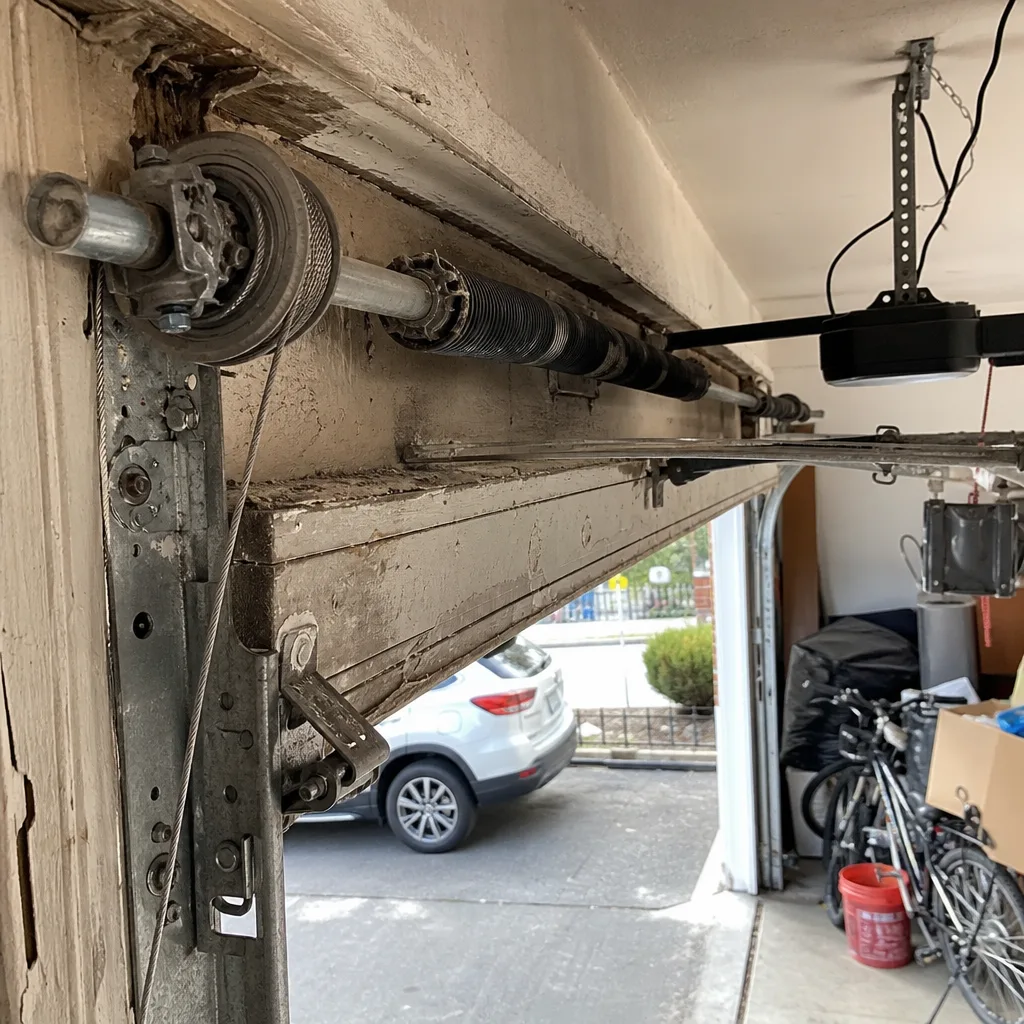 Before
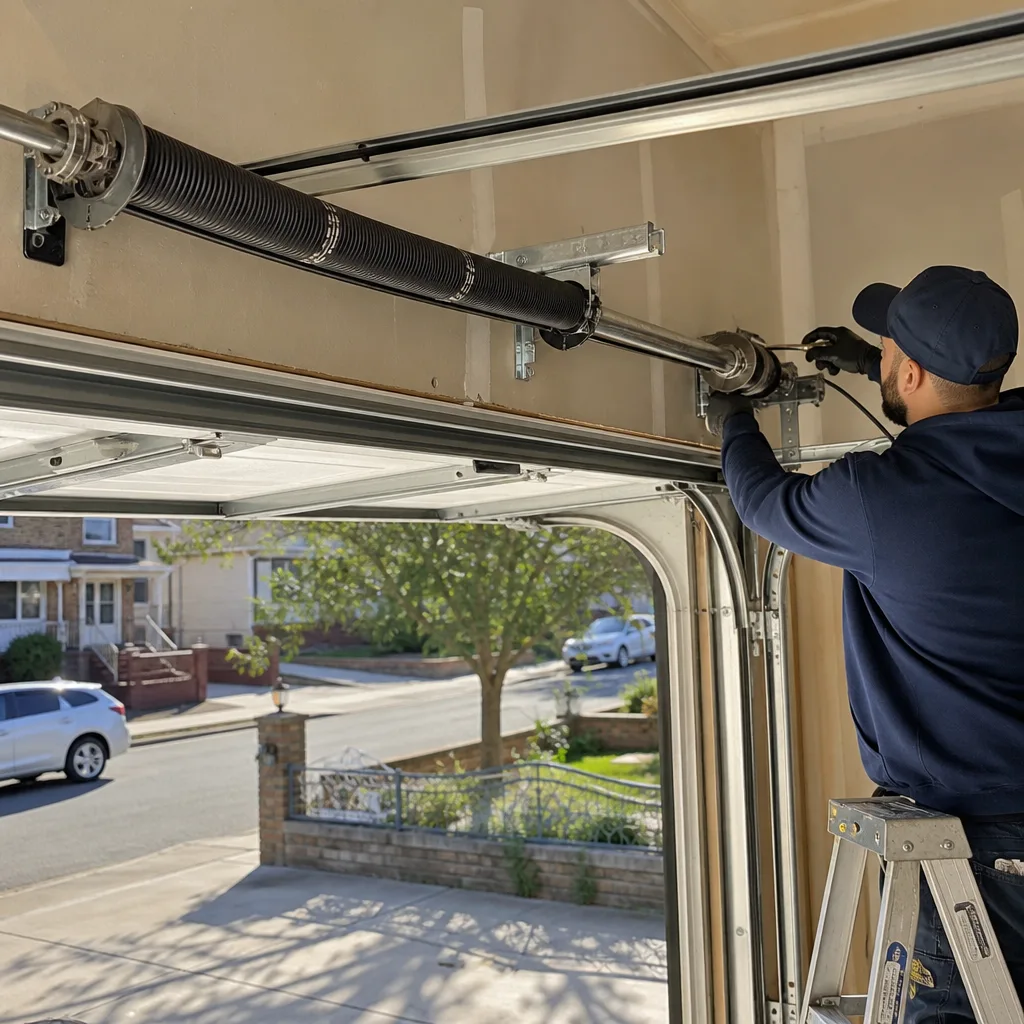 After
After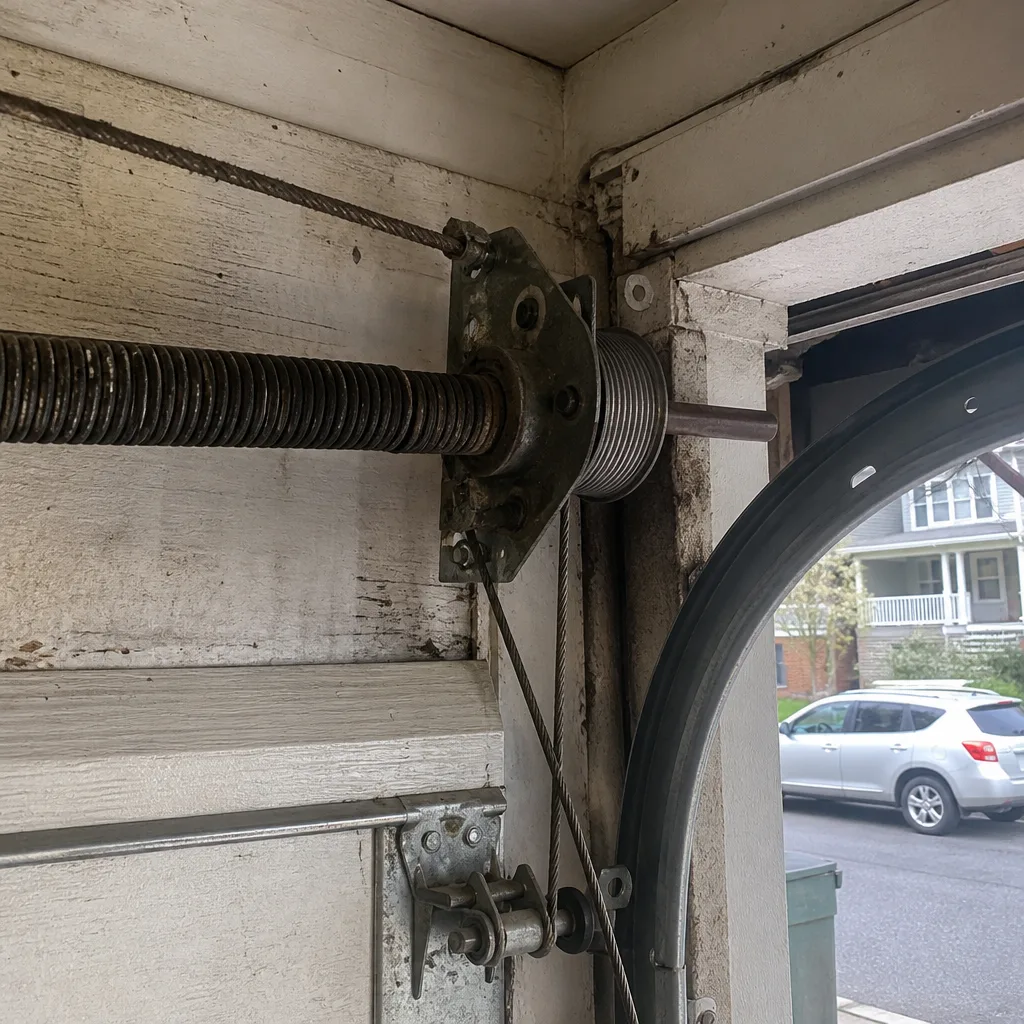 Before
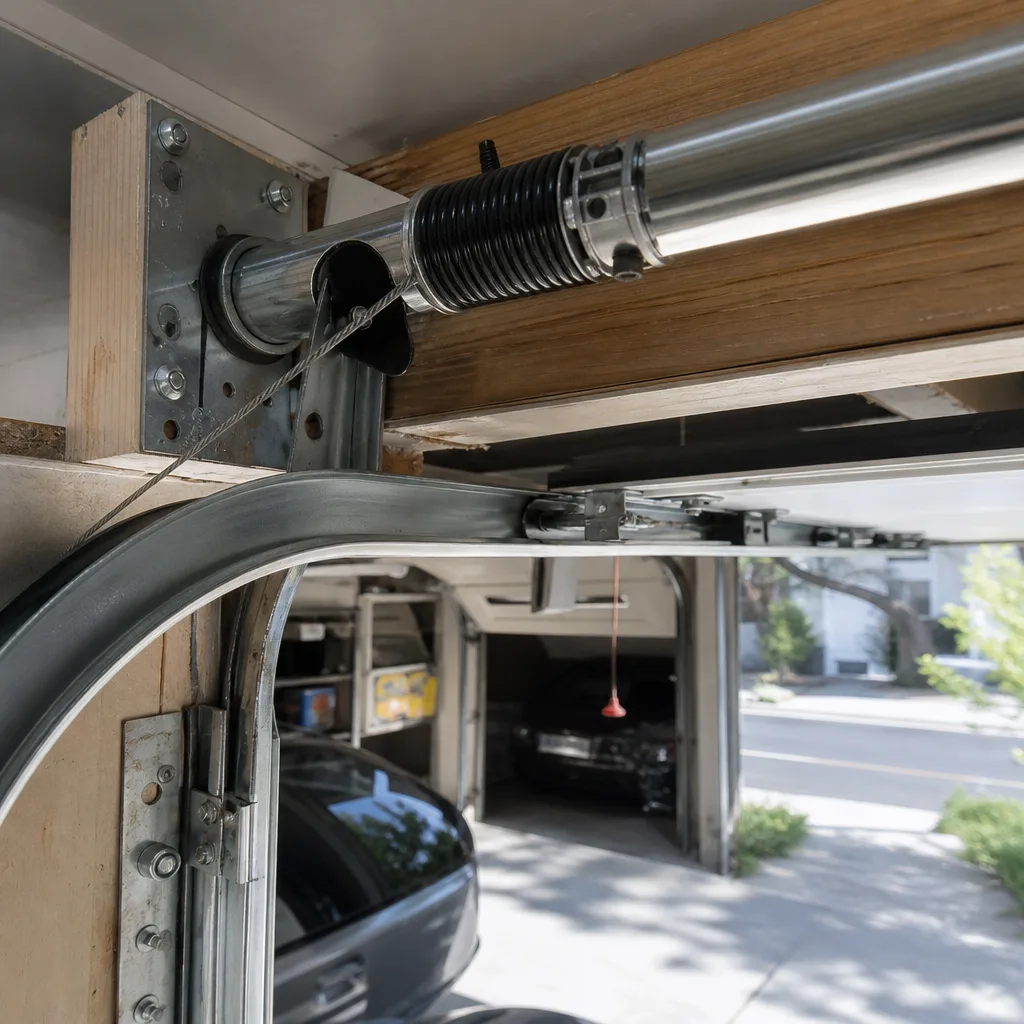 After
After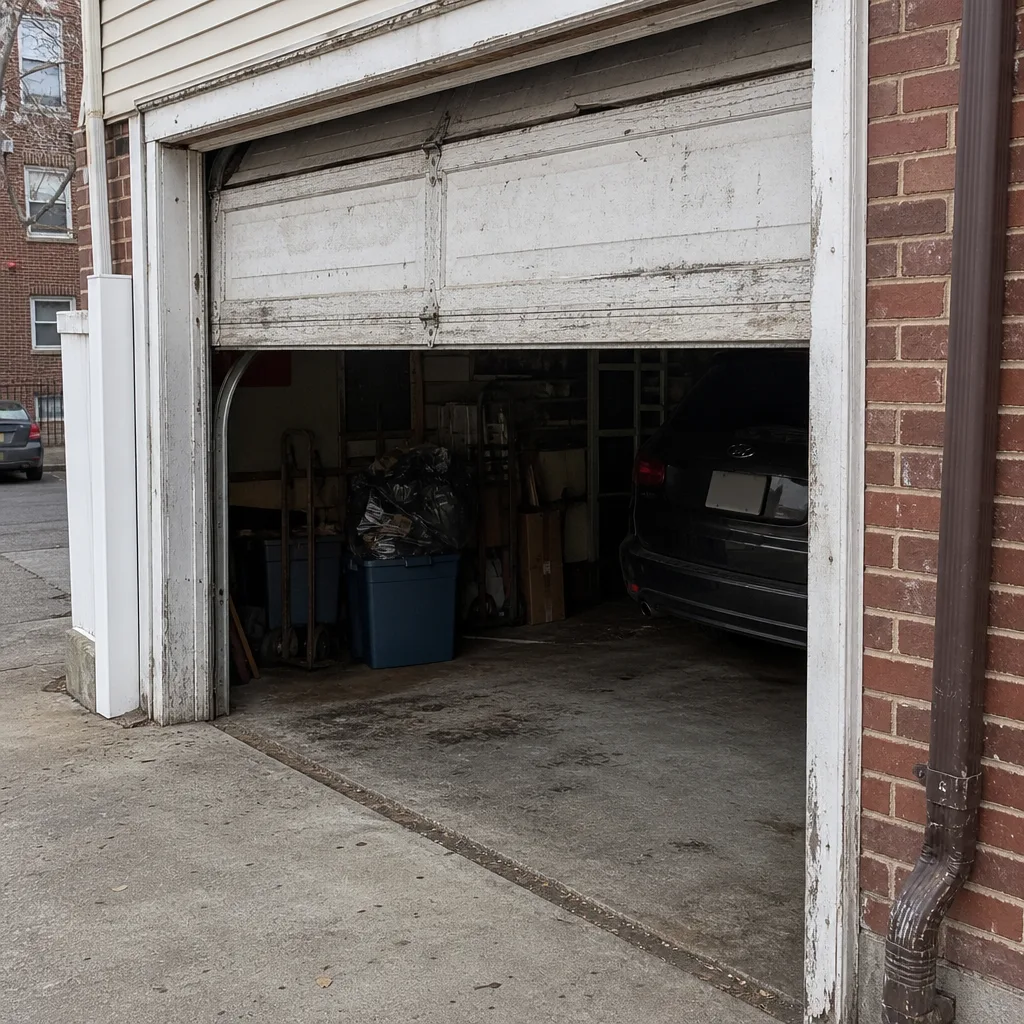 Before
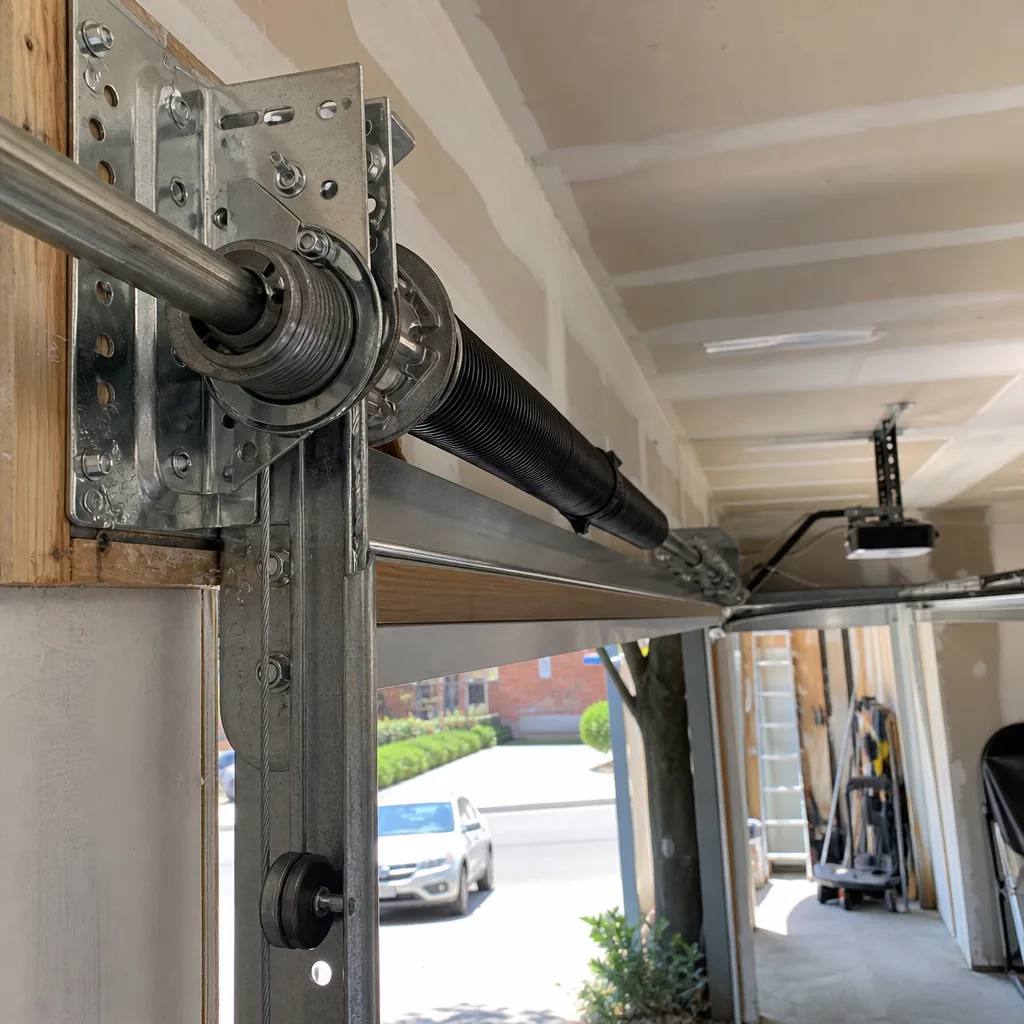 After
After